

Nauvoo - After the Exodus
- Stapled Binding
- Missouri: Paul V. Ludy and Associates, 2001
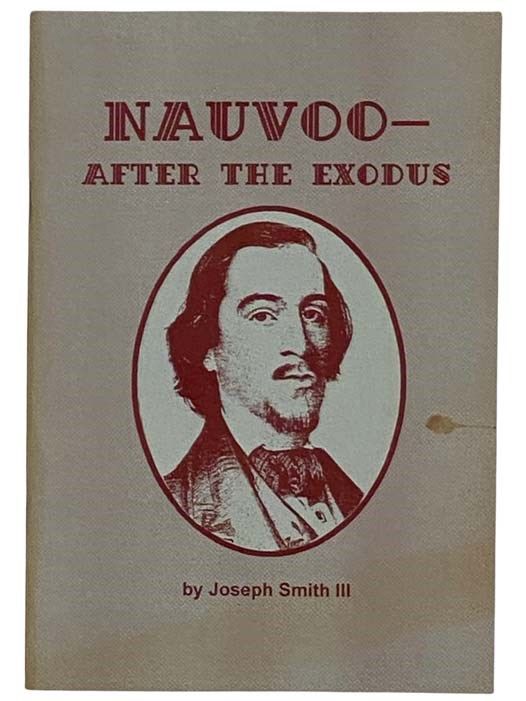
Missouri: Paul V. Ludy and Associates, 2001. Reissue. Stapled Binding. Good. 0x0x0. 2001 reissue of text first serialized in The Saints' Herald in January-April 1935. Small sticker removal mark on back corner, a couple stains on front cover. 36 pp. The history of Nauvoo, Illinois, starts with the Sauk and Fox tribes who frequented the area. They called the area "Quashquema", named in honor of the Native American chief who headed a Sauk and Fox settlement numbering nearly 500 lodges. Permanent settlement by non-natives was reportedly begun in 1824 by Captain James White. By 1827 other white settlers had built cabins in the area. By 1829 this area of Hancock County had grown sufficiently so that a post office was needed, and in 1832 the town, now called "Venus", was one of the contenders for the new county seat. However, the nearby city of Carthage was selected instead. In 1834 the name Venus was changed to "Commerce" because the settlers felt that the new name better suited their plans. In late 1839, arriving Mormons bought the small town of Commerce, and in April 1840 it was renamed "Nauvoo" (a Hebrew word meaning "they are beautiful") by Joseph Smith, the latter day prophet of the Latter Day Saint movement. Nauvoo grew rapidly and for a few years was one of the most populous cities in Illinois. Within two years of Joseph Smith's death by a mob in 1844, most of the population had departed, fleeing armed violence. Most headed west with the group led by Brigham Young. In 1849 Icarians moved to the Nauvoo area to implement a utopian socialist commune. In the early and mid 20th century Nauvoo was primarily a Catholic town, and the majority of the population today is Catholic. Nauvoo today is an important tourist destination for Latter Day Saints (Mormons) and others who come to see its restored historical buildings and visitor centers.--Wikipedia