

An heiress grows into womanhood in a changing world, documenting five years of her life in the US and Europe

- US, Germany , 1911
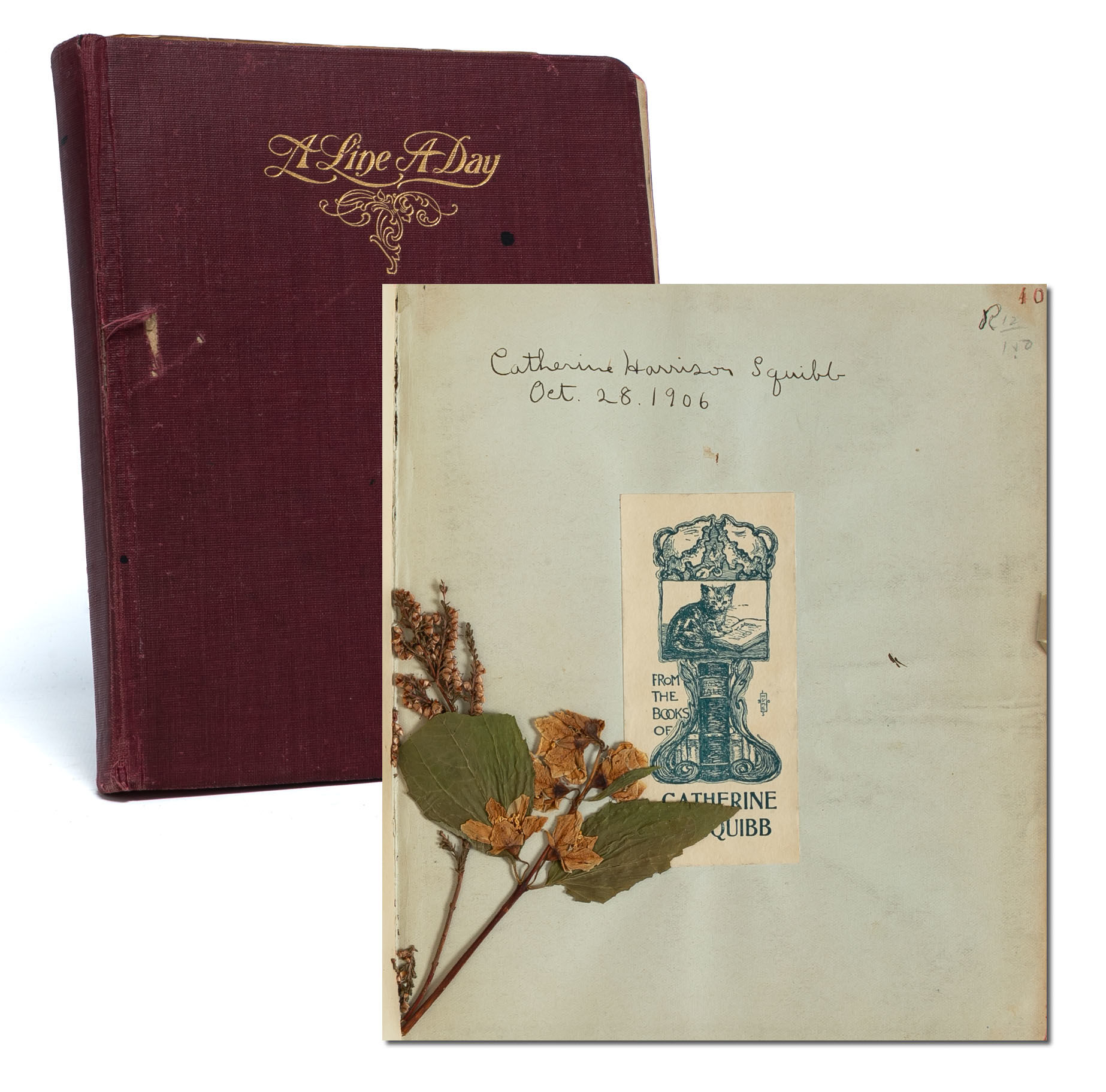
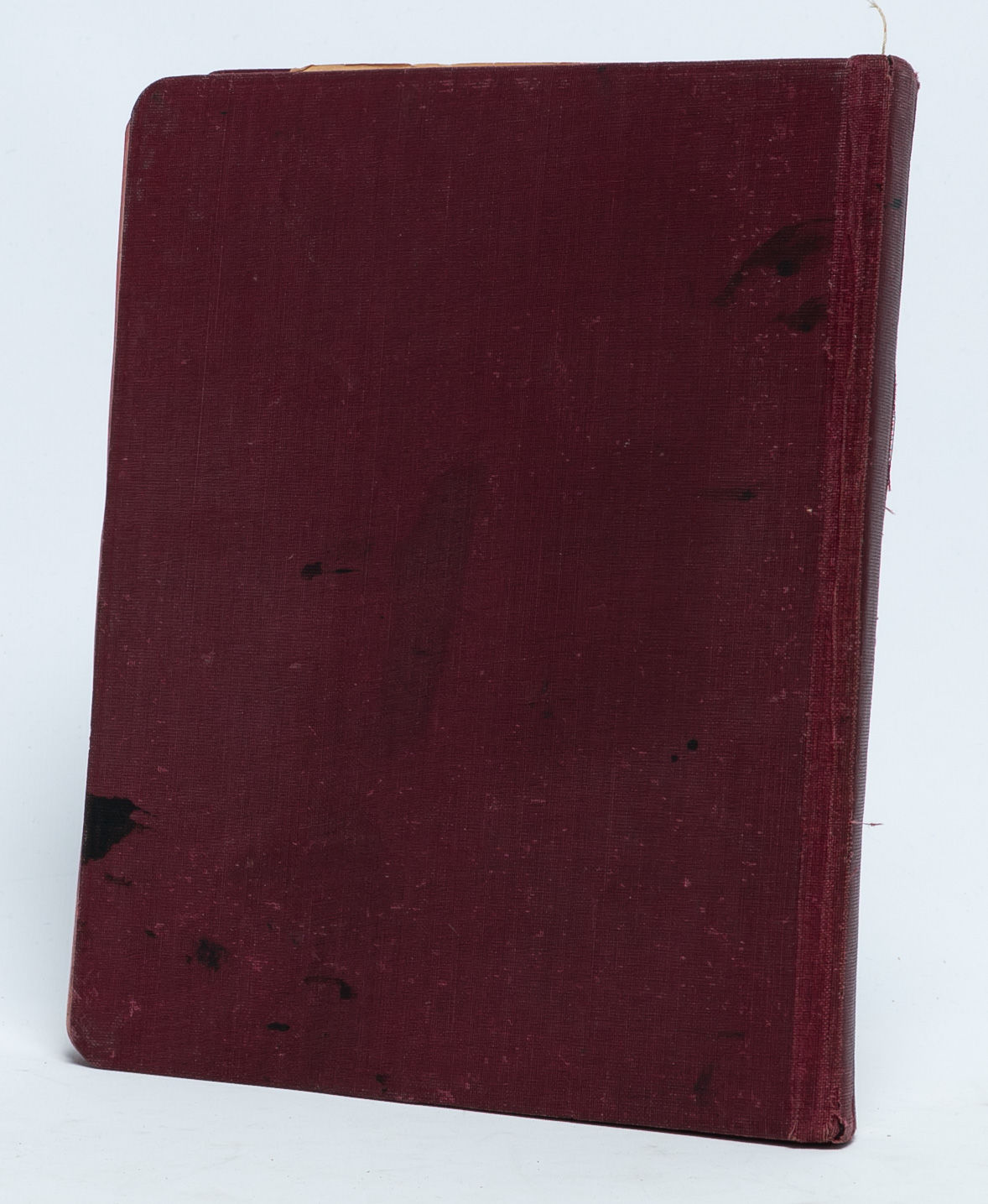
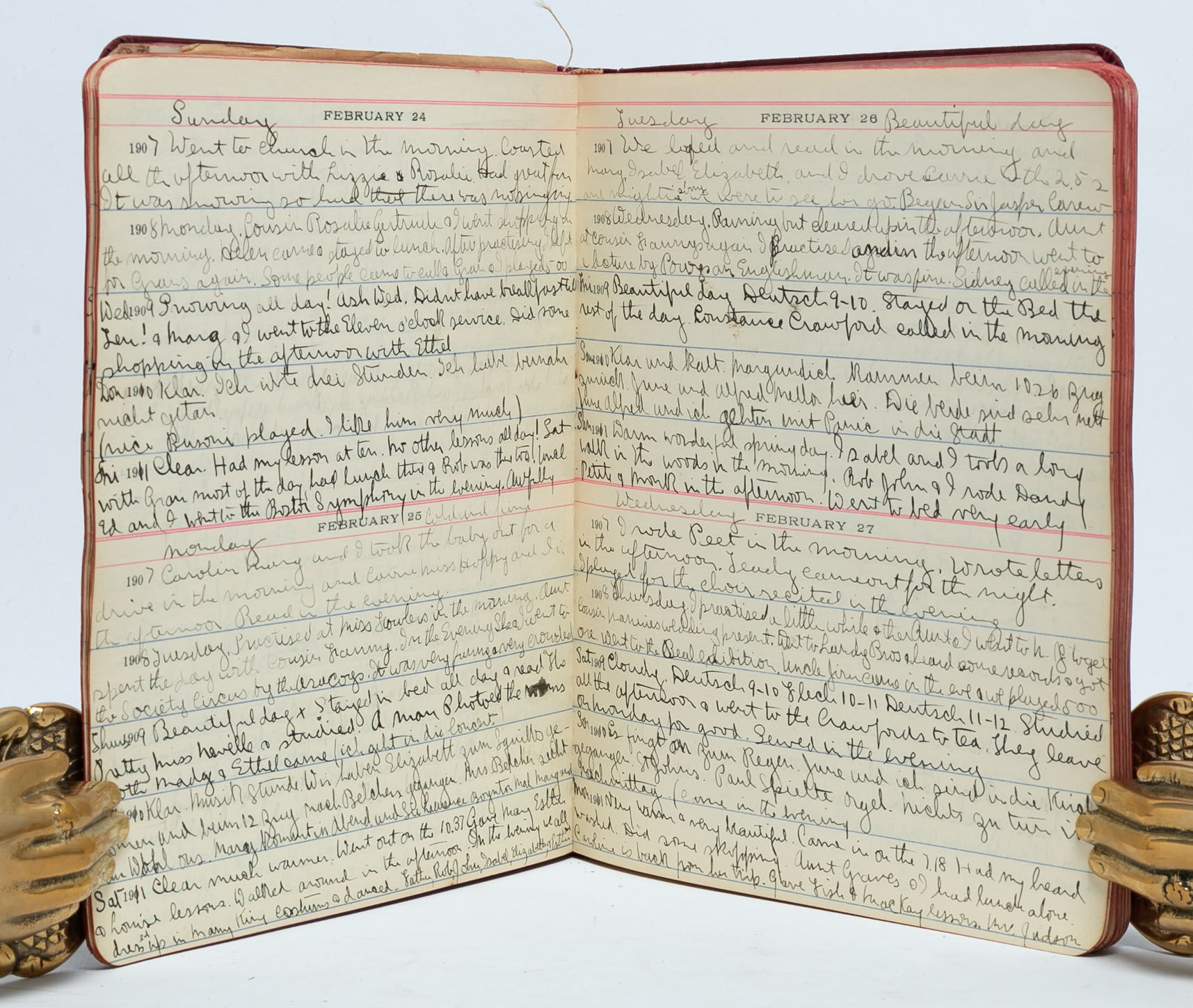
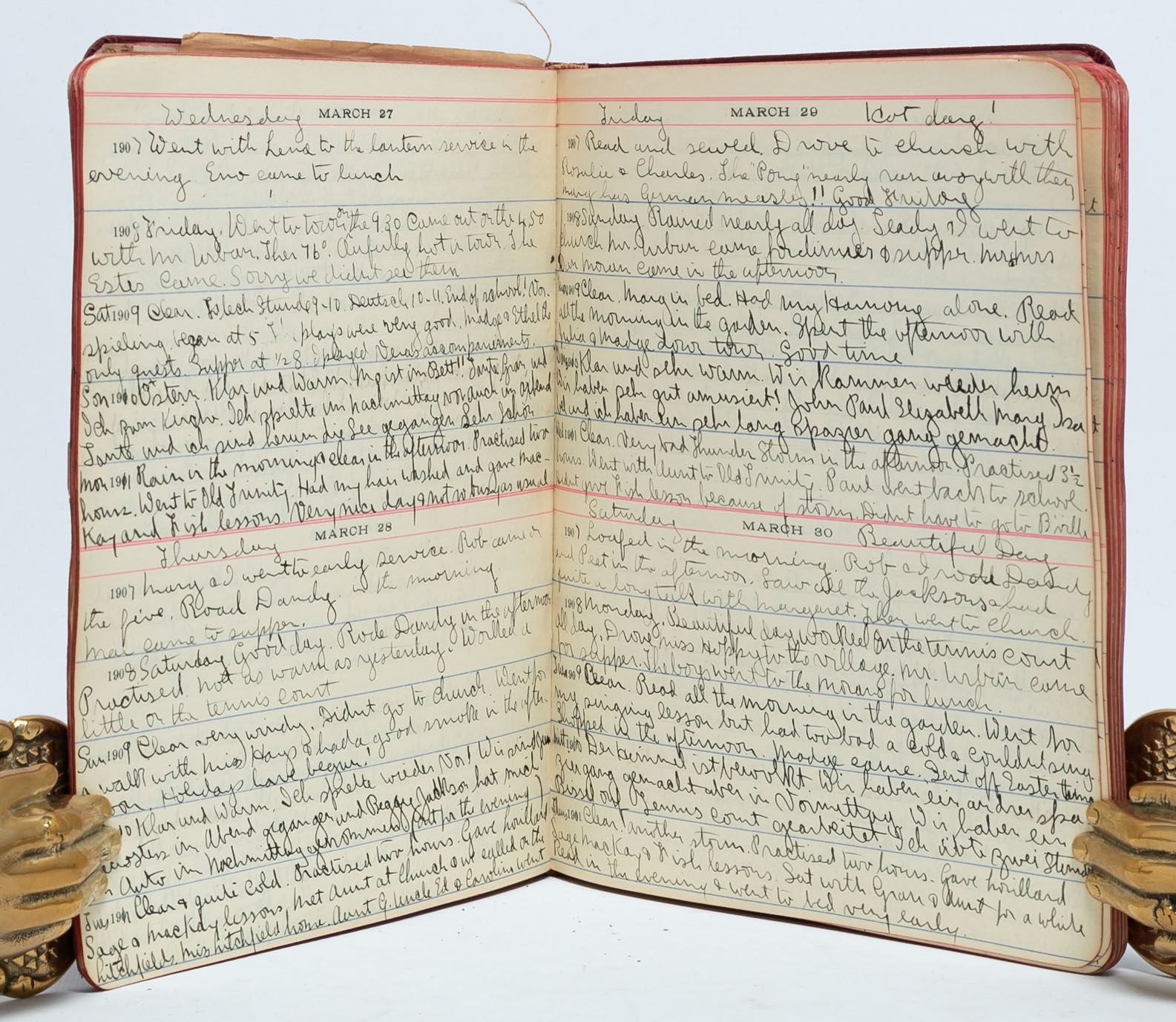
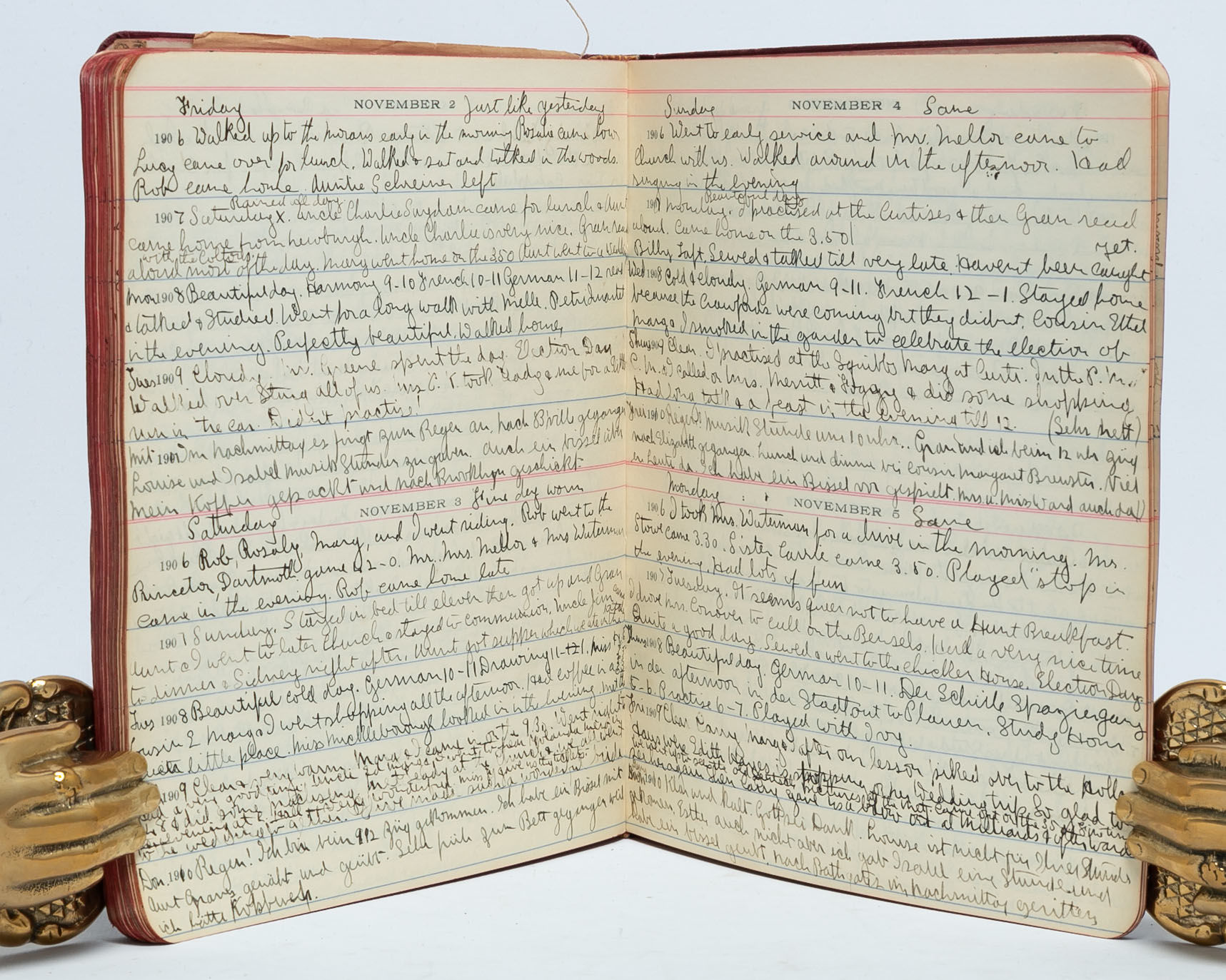
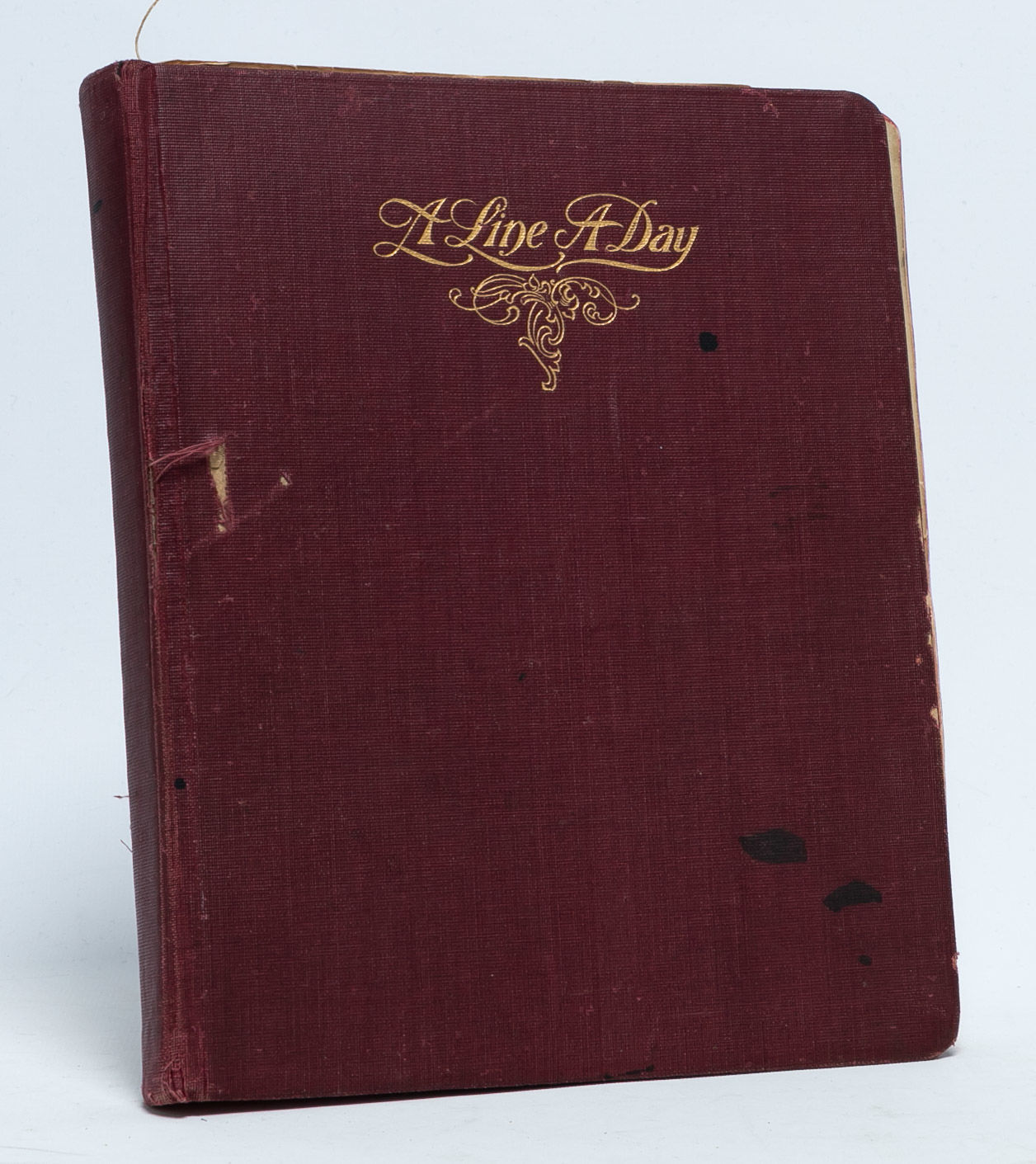
US, Germany, 1911. Red cloth over card with gilt to front board. All edges stained read. Measuring 200 x 170mm and containing 186 handwritten pages across five years. Dried flowers and theatre program loosely inserted at front. Ownership signature and bookplate of Catherine Harrison Squibb to front pastedown and endpaper with signature of the same to rear endpaper. A research rich and densely written diary, the present would be useful in fields including but not limited to intergenerational wealth and its relationship to emotional abuse, women's education and educational travel, early 20th century reading habits, modern friendship, courtship and romance, and women's increased mobility and travel.
The second daughter of Charles Fellow Squibb, himself the second son of pharmaceutical boss Dr. E. R. Squibb, Catherine Harrison Squibb was raised in economic privilege. Her earliest years were spent in the Brooklyn townhouse built for her parents by her grandfather, while her teen years were split between her father's historic estate of Welwood and her boarding school in Dresden. At Welwood Charles, always considered as "the lesser son" according to his E.R.'s journals, followed in his father's controlling footsteps by "purchasing polo ponies, setting about learning to jump" and "insisting his children do the same...to maintain the lifestyle of the landed gentry" (Belcher). This is confirmed in the opening entry of the diary (October 25, 1906) near Catherine's 16th birthday, where she reports "I rode side-saddle with Rosalie in the morning...rode again in the afternoon (ist richerverlobt! er est 62 --- alt!!)" The numerous rides do not seem to entirely please Catherine, as she hides her frustration in the German parenthetical (roughly, "he is engaged to be a judge! he is 62 years old!!"). Three days later on her birthday, she spends her time significantly differently, clowning with her brother and aunt, and "playing tennis in the afternoon." This becomes something of a tradition, as her birthday entries report several times "played tennis all afternoon" She also notes her time in French and German lessons -- with German becoming more frequent during and after her time at school in Dresden, especially when she wants to obfuscate her thoughts from unwanted readers.
If this diary is any indication, music and reading, travel and school became refuges for Catherine. And she claimed as much time as she could to find independence and develop herself outside of Charles' strict rules. Her reading preferences reflect this desire to immerse herself in Jane Austen's world of social visits and balls, where family conflict is eventually smoothed by a woman's exit to a loving partner and home of her own. "Good day!" she writes on April 29, 1908, "Stayed in bed all day. I finished Pride & Prejudice and began Emma." This is contrast against her reaction to Charlotte Bronte's work on May 1 of the same year: "Cold & windy. We came in on the 9.30. Aunts at Welwood...had music lesson...I began Jane Eyre. Dismal book!" Her tone and word choice reflect the most happiness in these circumstances, whereas riding is reported like a duty -- she may report what time of day and what horse, but no expressions of joy accompany them.
While the diary concludes in 1911, when Catherine is 21, we know that she would return to Europe from 1917-1919 as a nurse in WWI, watching her own country battle her beloved Germany. Within the time, her father had sold his birthright in Squibb, and with "his extravagant lifestyle eating through his money quickly...he was forced to sell Welwood...not long thereafter he went to France" and never returned to the US (Belcher). In 1920, she would marry veteran and shoe manufacturing foreman Raymond Pratt, moving with him to Pasadena, California and becoming a civic leader.
Much deeper work can be done on Catherine's lives and relationships, especially considering the current cultural trends of novels, films, and series depicting both the glamour and the emotional squalor of the 1%.
The second daughter of Charles Fellow Squibb, himself the second son of pharmaceutical boss Dr. E. R. Squibb, Catherine Harrison Squibb was raised in economic privilege. Her earliest years were spent in the Brooklyn townhouse built for her parents by her grandfather, while her teen years were split between her father's historic estate of Welwood and her boarding school in Dresden. At Welwood Charles, always considered as "the lesser son" according to his E.R.'s journals, followed in his father's controlling footsteps by "purchasing polo ponies, setting about learning to jump" and "insisting his children do the same...to maintain the lifestyle of the landed gentry" (Belcher). This is confirmed in the opening entry of the diary (October 25, 1906) near Catherine's 16th birthday, where she reports "I rode side-saddle with Rosalie in the morning...rode again in the afternoon (ist richerverlobt! er est 62 --- alt!!)" The numerous rides do not seem to entirely please Catherine, as she hides her frustration in the German parenthetical (roughly, "he is engaged to be a judge! he is 62 years old!!"). Three days later on her birthday, she spends her time significantly differently, clowning with her brother and aunt, and "playing tennis in the afternoon." This becomes something of a tradition, as her birthday entries report several times "played tennis all afternoon" She also notes her time in French and German lessons -- with German becoming more frequent during and after her time at school in Dresden, especially when she wants to obfuscate her thoughts from unwanted readers.
If this diary is any indication, music and reading, travel and school became refuges for Catherine. And she claimed as much time as she could to find independence and develop herself outside of Charles' strict rules. Her reading preferences reflect this desire to immerse herself in Jane Austen's world of social visits and balls, where family conflict is eventually smoothed by a woman's exit to a loving partner and home of her own. "Good day!" she writes on April 29, 1908, "Stayed in bed all day. I finished Pride & Prejudice and began Emma." This is contrast against her reaction to Charlotte Bronte's work on May 1 of the same year: "Cold & windy. We came in on the 9.30. Aunts at Welwood...had music lesson...I began Jane Eyre. Dismal book!" Her tone and word choice reflect the most happiness in these circumstances, whereas riding is reported like a duty -- she may report what time of day and what horse, but no expressions of joy accompany them.
While the diary concludes in 1911, when Catherine is 21, we know that she would return to Europe from 1917-1919 as a nurse in WWI, watching her own country battle her beloved Germany. Within the time, her father had sold his birthright in Squibb, and with "his extravagant lifestyle eating through his money quickly...he was forced to sell Welwood...not long thereafter he went to France" and never returned to the US (Belcher). In 1920, she would marry veteran and shoe manufacturing foreman Raymond Pratt, moving with him to Pasadena, California and becoming a civic leader.
Much deeper work can be done on Catherine's lives and relationships, especially considering the current cultural trends of novels, films, and series depicting both the glamour and the emotional squalor of the 1%.