

India. A Birds-Eye View by the Earl of Ronaldshay
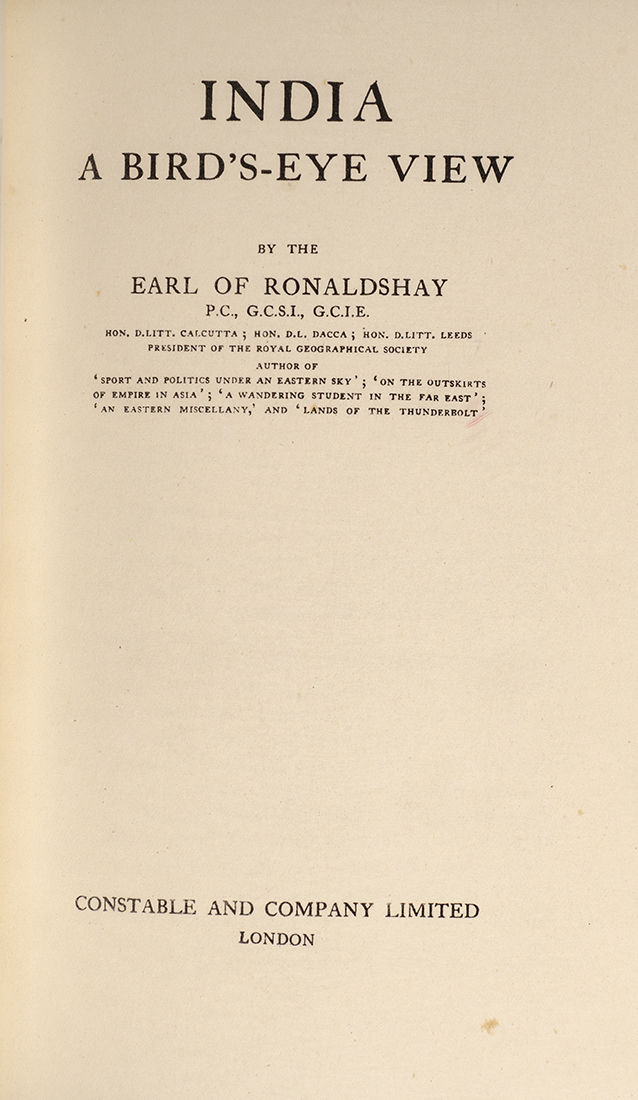


- London: Constable and Company Limited, 1931
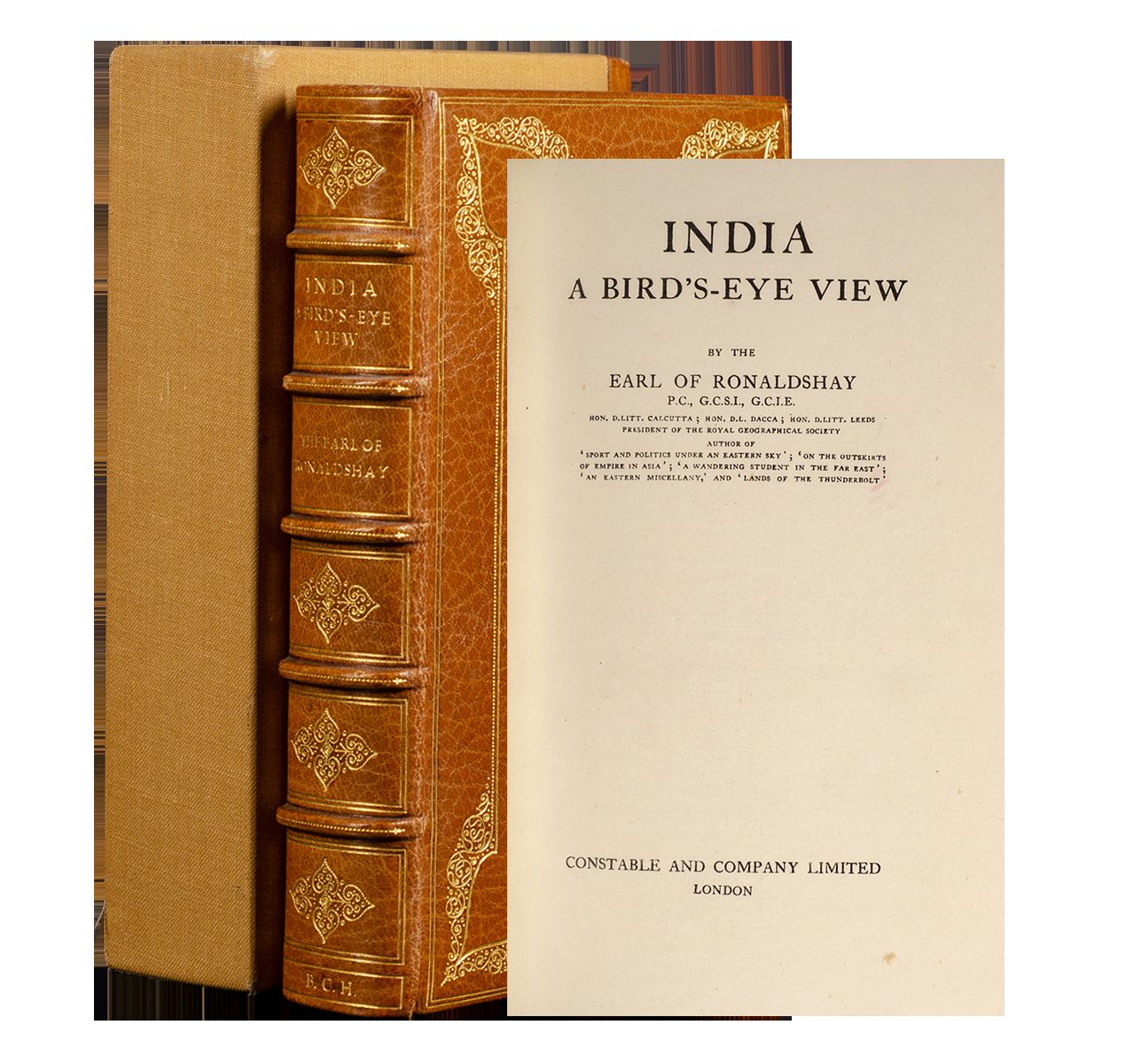
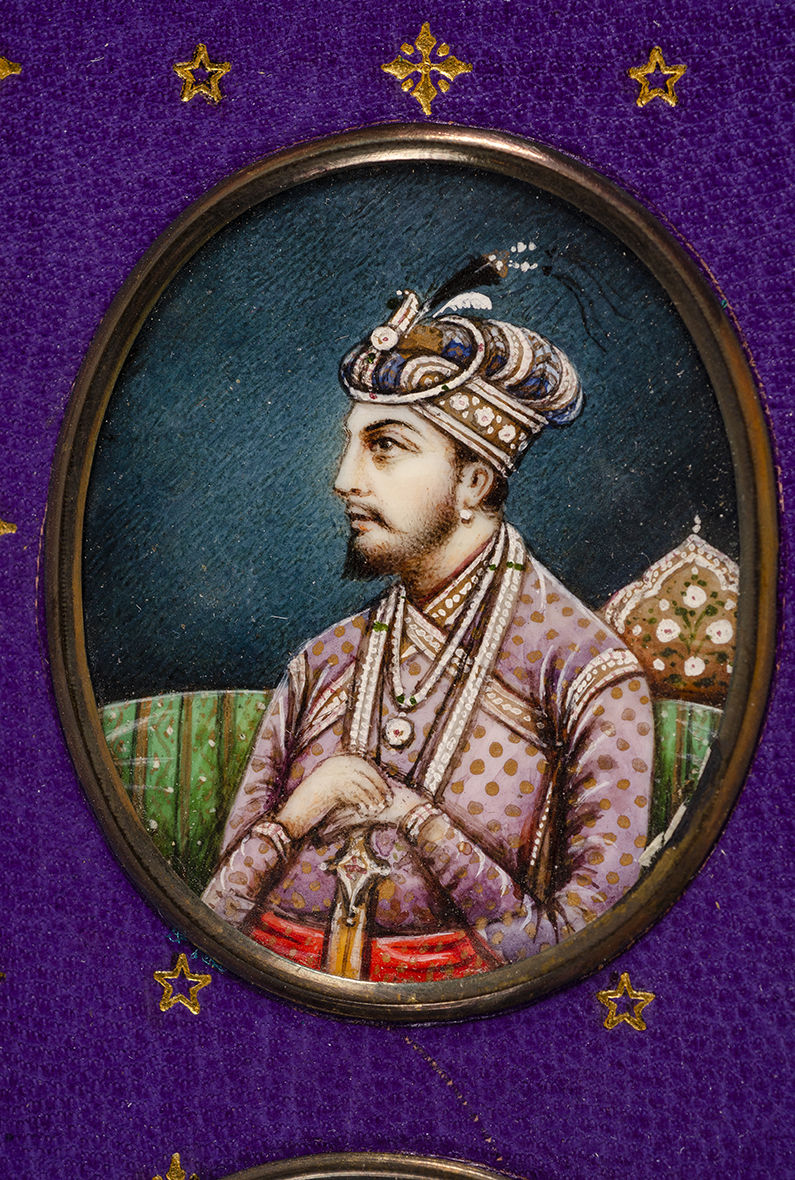
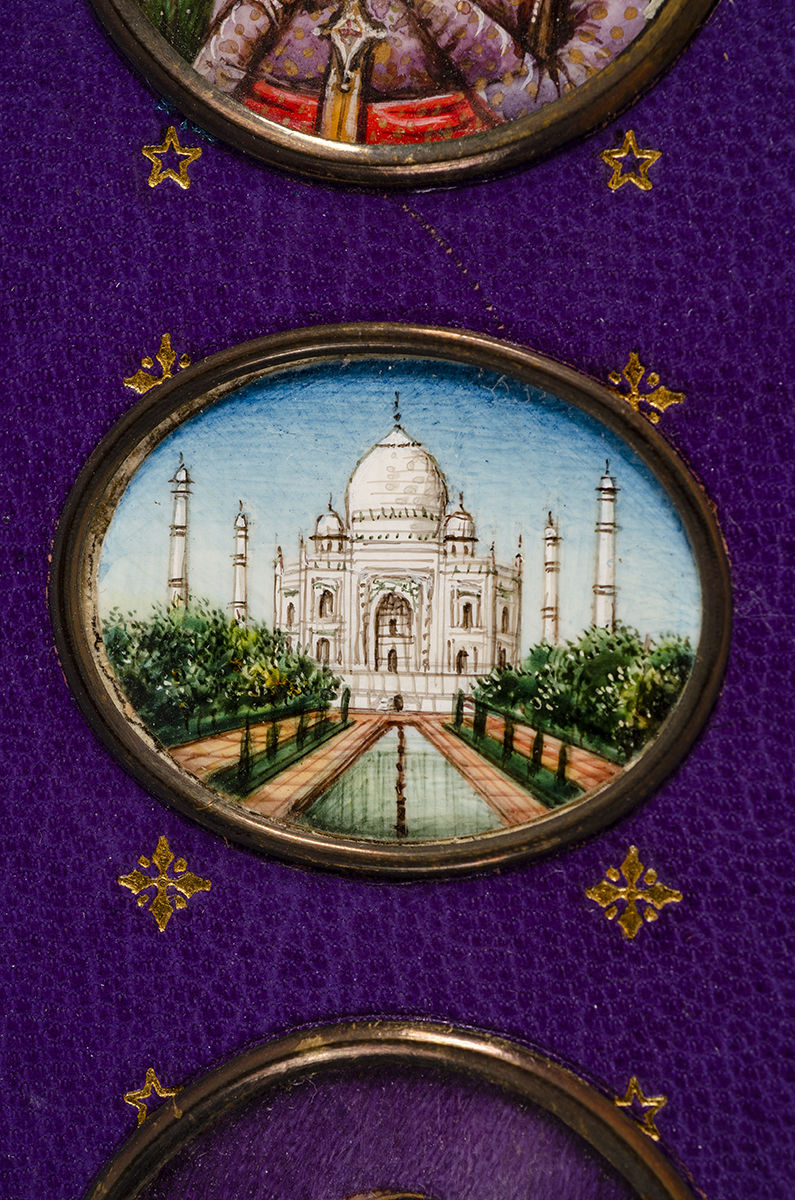
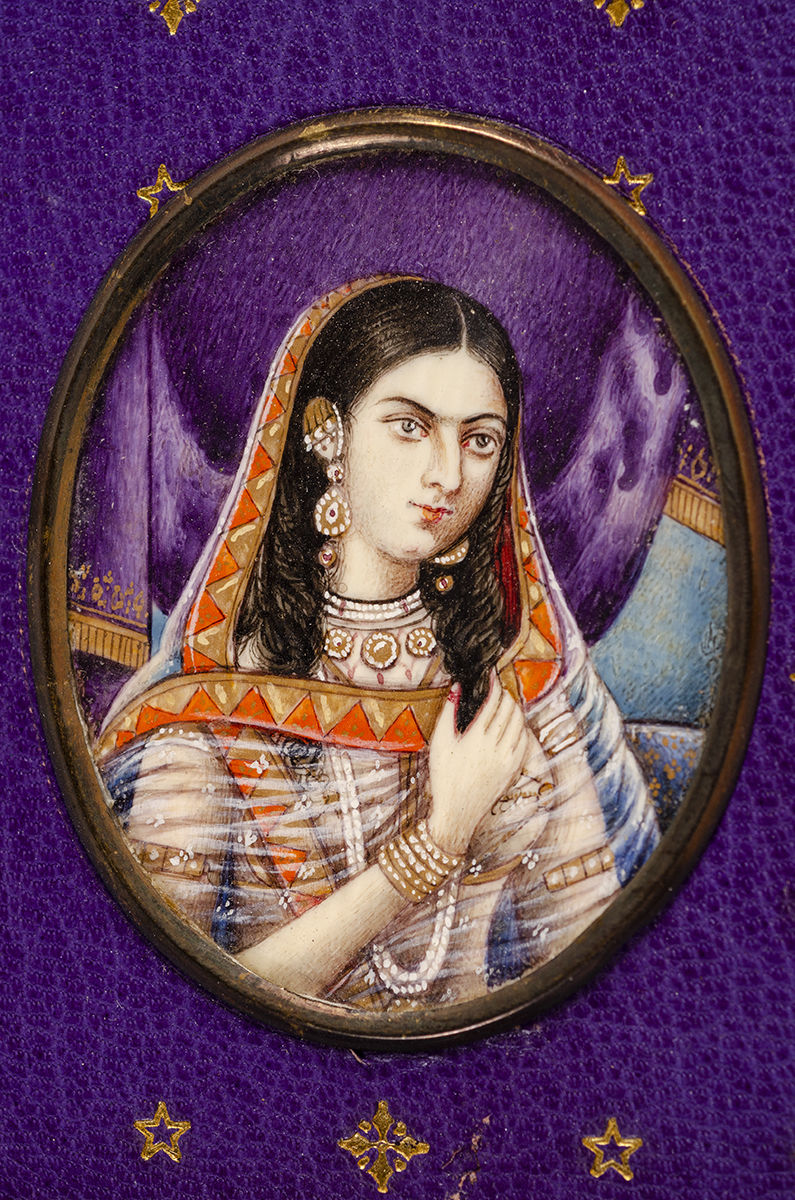
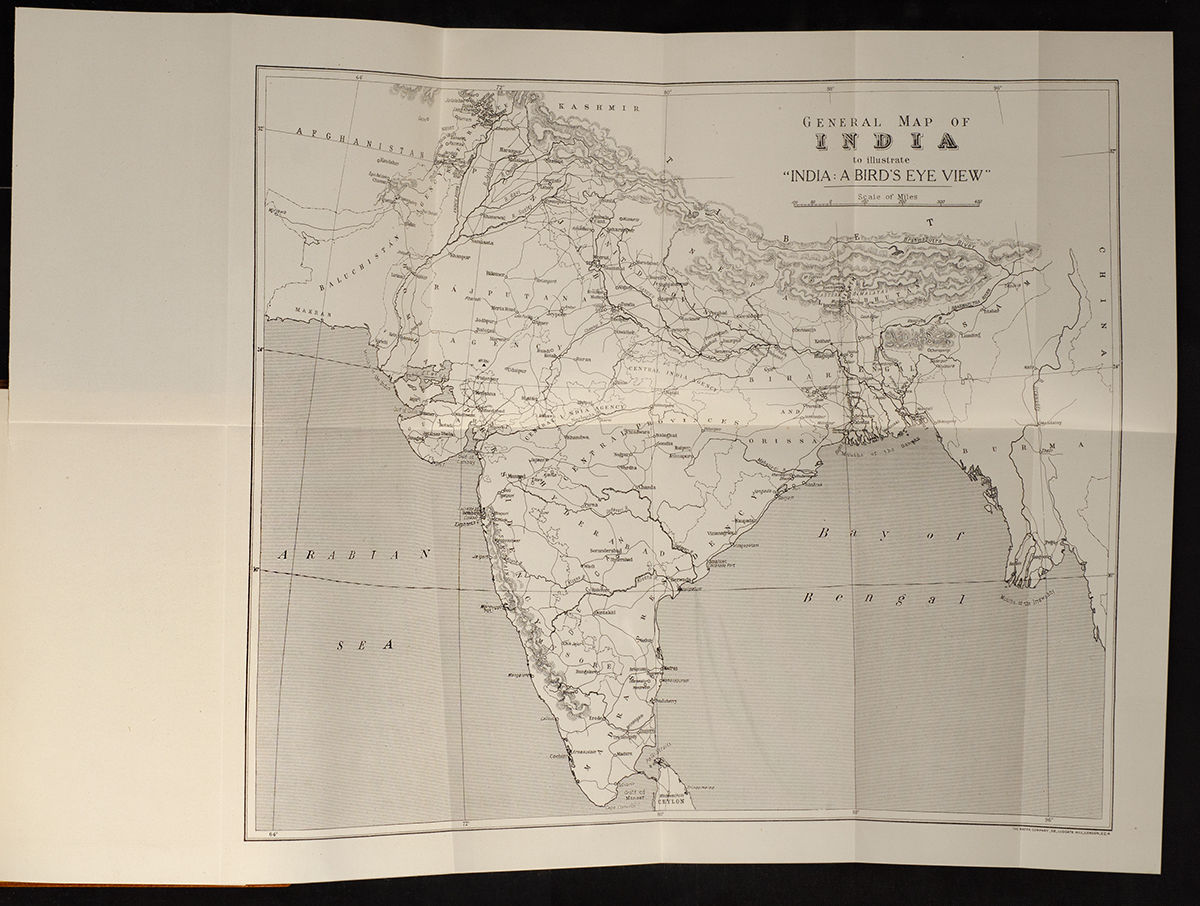
London: Constable and Company Limited, 1931. Later printing. Fine. (First published in 1924). Octavo (8 3/16 x 5 inches; 208 x 127 mm.). [ii], xiii, [xiv, blank], 322 pp. Twenty-four photographic plates and large folding map at end. Beautifully bound ca. 1931 by Sangorski & Sutcliffe, stamp-signed in gilt on front turn-in. Full brown crushed levant morocco, covers elaborately paneled in gilt, decoratively gilt-ruled board edges, elaborate gilt turn-ins. Spine with five raised bands, decoratively tooled and lettered in gilt in compartments. Purple morocco liners decoratively stamped with gilt stars, ochre watered silk end papers. Inside front cover with large rectangular sunken panel with three very fine gold-framed oval miniatures under glass of Shah Jahan (2 x 1 1/2 inches), Mumtaz Mahal (2 x 1 1/2 inches) and a painting of the Taj Mahal (1 x 1 3/8 inches). A very fine example of a Sangorski & Sutcliffe Cosway-Style binding. From the library of Ohio book collector B. C. Hoffman, with his initials in gilt at foot of spine. Housed in the original fleece-lined, brown morocco-edged, tan cloth clip case.
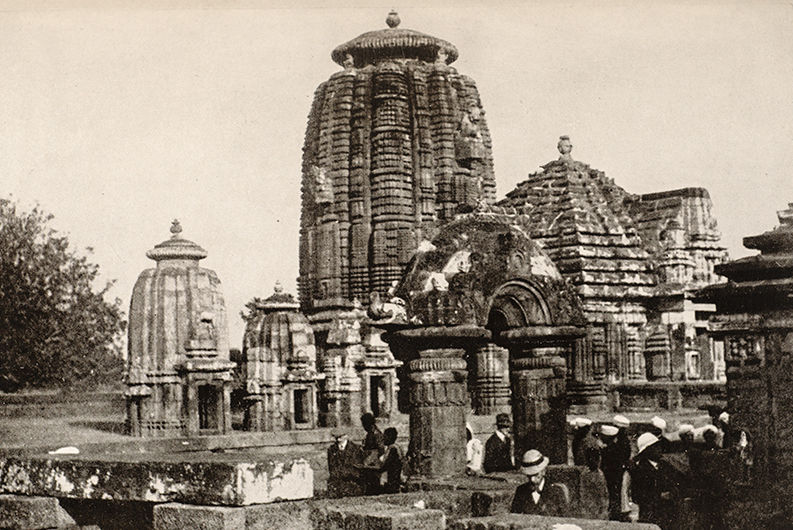
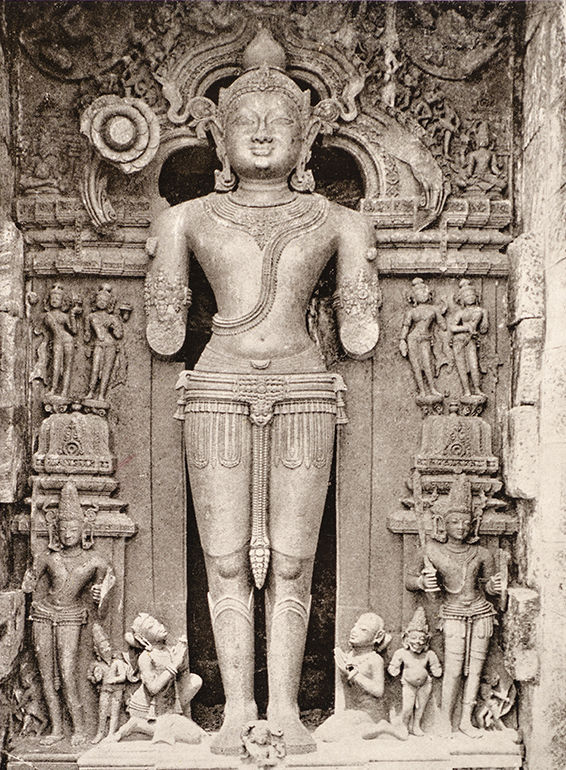
Lawrence John Lumley Dundas, 2nd Marquess of Zetland (1876-1961), also called the Earl of Ronaldshay, was a British Conservative politician, who served British colonial interests in India for more than twenty years, notably as Governor of Bengal and Secretary of State for India. Lord Ronaldshay's India, A Birds-Eye View was written for British citizens who "want more than a mere narrative of travel" but "something less than the studies of specialists…” designed as a series of “historical, pictorial, statistical, and ethnographical vignettes” interspersed with photographic plates of Indian geography and architecture taken by the author himself. Ronaldshay's goal was to "construct a mosaic which will present to the man who wishes to know something of this huge and varied land, whose recent history has been bound up so intimately with his own, an intelligible conspectus" (Preface).
The story of the Sangorski & Sutcliffe Bindery reads like something out of a novel—when two of Douglas Cockrell’s talented apprentices, Frances Sangorski and George Sutcliffe, were laid off during an economic downturn they began working out of an attic. Eventually their bindery would be famous for its intricate multicolored leather inlays and elaborate gold and jeweled bindings. Although named after the English miniaturist Richard Cosway (1742-1821), the desirable “Cosway Binding” with its jewel-like portrait miniature set into a fine binding was first developed at the turn of the century by J.H. Stonehouse, director of London’s Henry Sotheran Booksellers. Their miniatures were painstakingly crafted by the talented painter Miss C. B. Currie (1849-1940). As the style grew in popularity, other publishing houses quickly began to reproduce this technique—each developing their own desirable take on the aesthetic—referred to as “Cosway style.”. Fine.
Lawrence John Lumley Dundas, 2nd Marquess of Zetland (1876-1961), also called the Earl of Ronaldshay, was a British Conservative politician, who served British colonial interests in India for more than twenty years, notably as Governor of Bengal and Secretary of State for India. Lord Ronaldshay's India, A Birds-Eye View was written for British citizens who "want more than a mere narrative of travel" but "something less than the studies of specialists…” designed as a series of “historical, pictorial, statistical, and ethnographical vignettes” interspersed with photographic plates of Indian geography and architecture taken by the author himself. Ronaldshay's goal was to "construct a mosaic which will present to the man who wishes to know something of this huge and varied land, whose recent history has been bound up so intimately with his own, an intelligible conspectus" (Preface).
The story of the Sangorski & Sutcliffe Bindery reads like something out of a novel—when two of Douglas Cockrell’s talented apprentices, Frances Sangorski and George Sutcliffe, were laid off during an economic downturn they began working out of an attic. Eventually their bindery would be famous for its intricate multicolored leather inlays and elaborate gold and jeweled bindings. Although named after the English miniaturist Richard Cosway (1742-1821), the desirable “Cosway Binding” with its jewel-like portrait miniature set into a fine binding was first developed at the turn of the century by J.H. Stonehouse, director of London’s Henry Sotheran Booksellers. Their miniatures were painstakingly crafted by the talented painter Miss C. B. Currie (1849-1940). As the style grew in popularity, other publishing houses quickly began to reproduce this technique—each developing their own desirable take on the aesthetic—referred to as “Cosway style.”. Fine.