

Rodney Stone
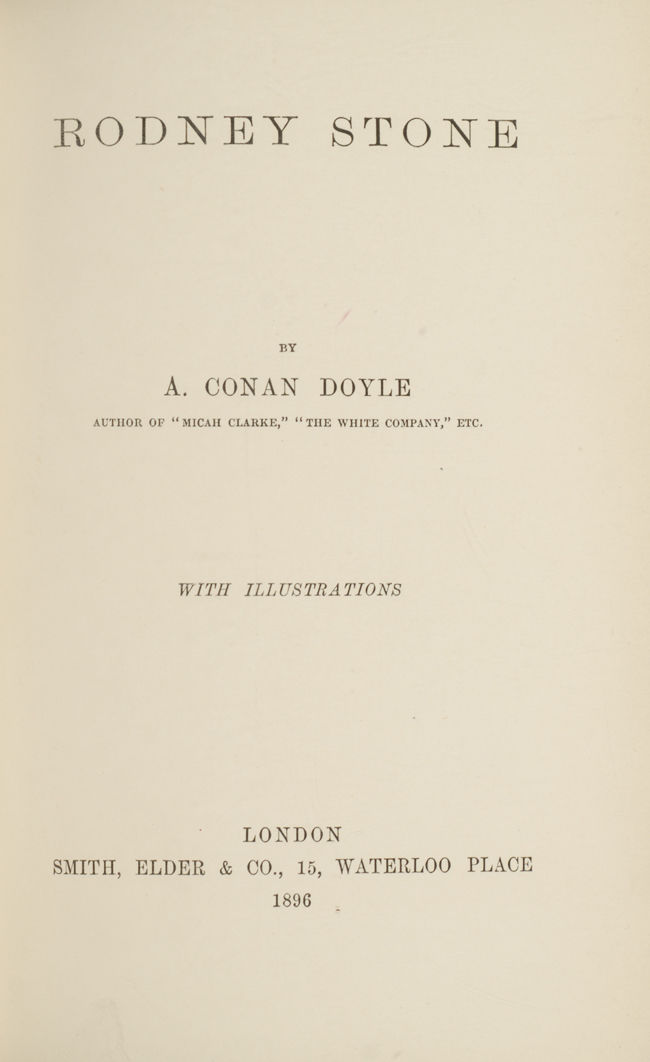
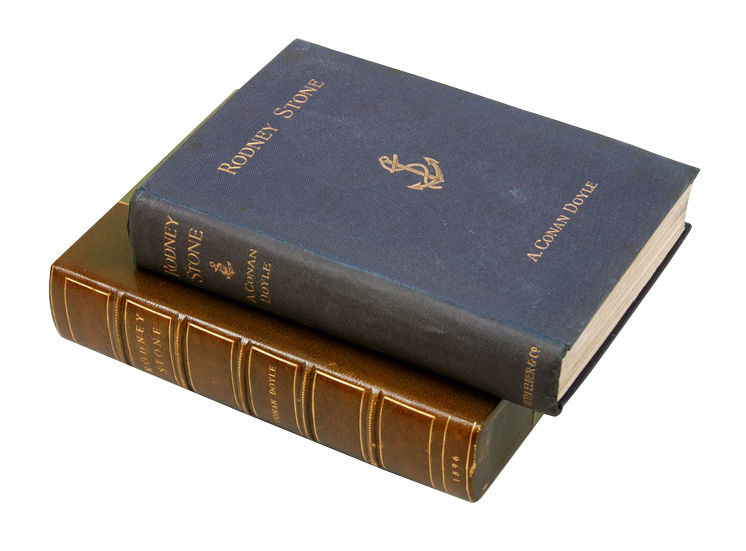
- London: Smith, Elder & Co, 1896
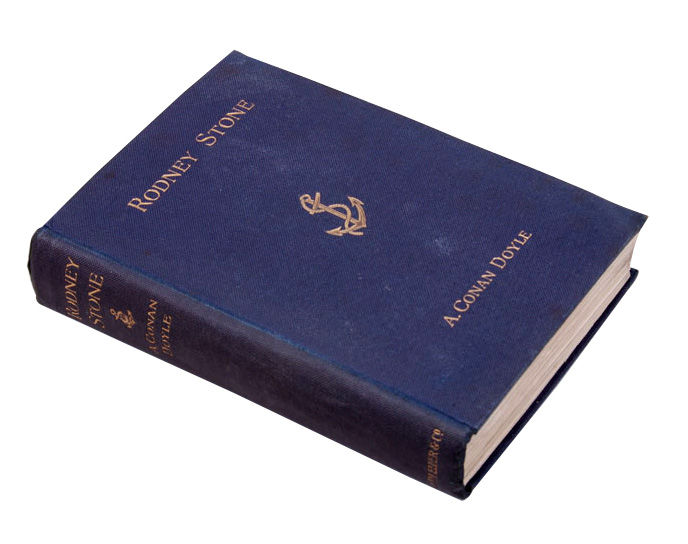
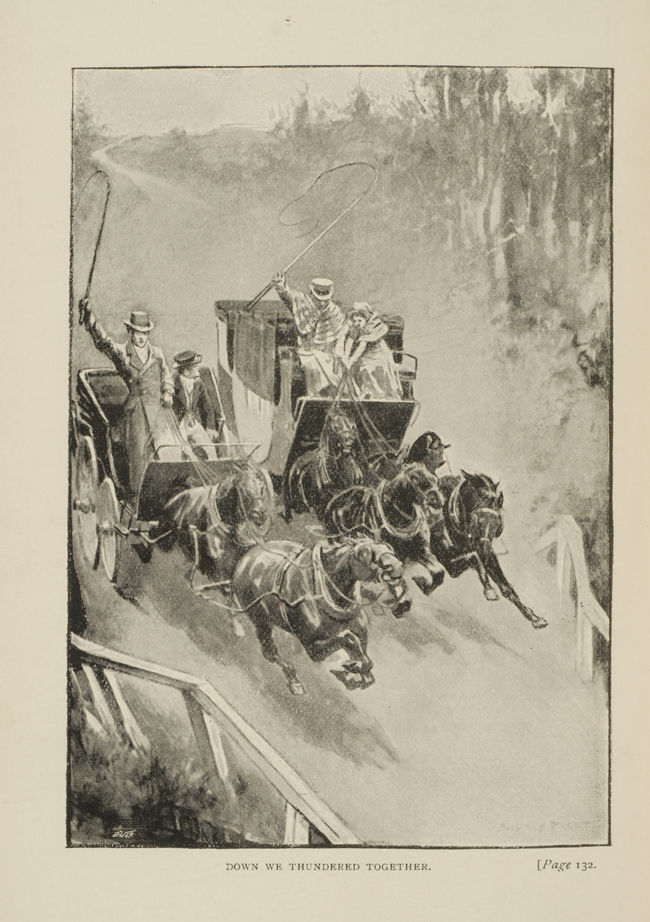
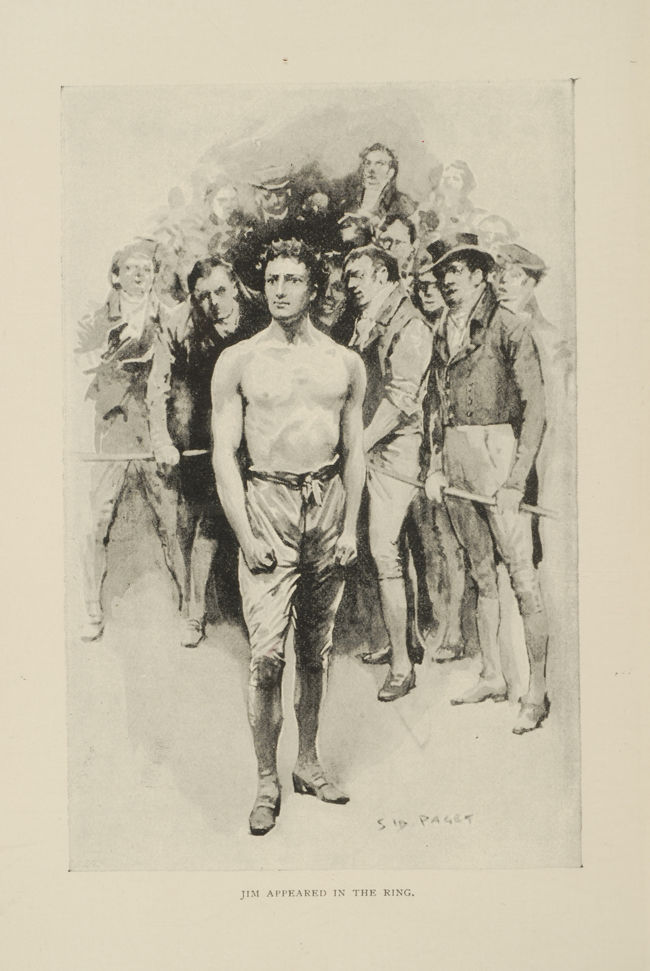
London: Smith, Elder & Co, 1896. First edition. Octavo (7 9/16 x 5 inches; 192 x 127 mm. ). [8], 366, [12, publisher’s advertisements] pp. Eight plates by Sidney Paget (including frontispiece, with tissue guard). Original black diamond-grain cloth decoratively stamped and lettered in gilt on front cover and spine. Dark brown coated endpapers. Hinges a bit cracked yet firm. Otherwise a near fine copy. Chemised in a quarter olive green morocco slipcase.
Rodney Stone is a novel that blends the mystery and coming-of-age novel with a boxing story. Doyle had originally envisioned this to be a play, but began writing the novel in the summer of 1895. It was first serialized in The Strand Magazine, January-December 1896, with illustrations by Sidney Paget. "The author’s knowledge and experience of boxing went back to his youth…" (Green and Gibson). According to Doyle, “‘they say that every form of knowledge comes useful [sic] sooner or later. Certainly my own experience in boxing and my very large acquaintance with the history of the prize-ring found their scope when I wrote ‘Rodney Stone.’ No one but a fighting man would ever, I think, quite understand or appreciate some of the detail” (Memories and Adventures). Doyle felt that the book would bring a renewed interest in the sport.
Green and Gibson A20a.
Rodney Stone is a novel that blends the mystery and coming-of-age novel with a boxing story. Doyle had originally envisioned this to be a play, but began writing the novel in the summer of 1895. It was first serialized in The Strand Magazine, January-December 1896, with illustrations by Sidney Paget. "The author’s knowledge and experience of boxing went back to his youth…" (Green and Gibson). According to Doyle, “‘they say that every form of knowledge comes useful [sic] sooner or later. Certainly my own experience in boxing and my very large acquaintance with the history of the prize-ring found their scope when I wrote ‘Rodney Stone.’ No one but a fighting man would ever, I think, quite understand or appreciate some of the detail” (Memories and Adventures). Doyle felt that the book would bring a renewed interest in the sport.
Green and Gibson A20a.