

The Poets of Great Britain (in 2 vols.)

- New York and London: Chiwick Press & Charles Whittingham, 1900
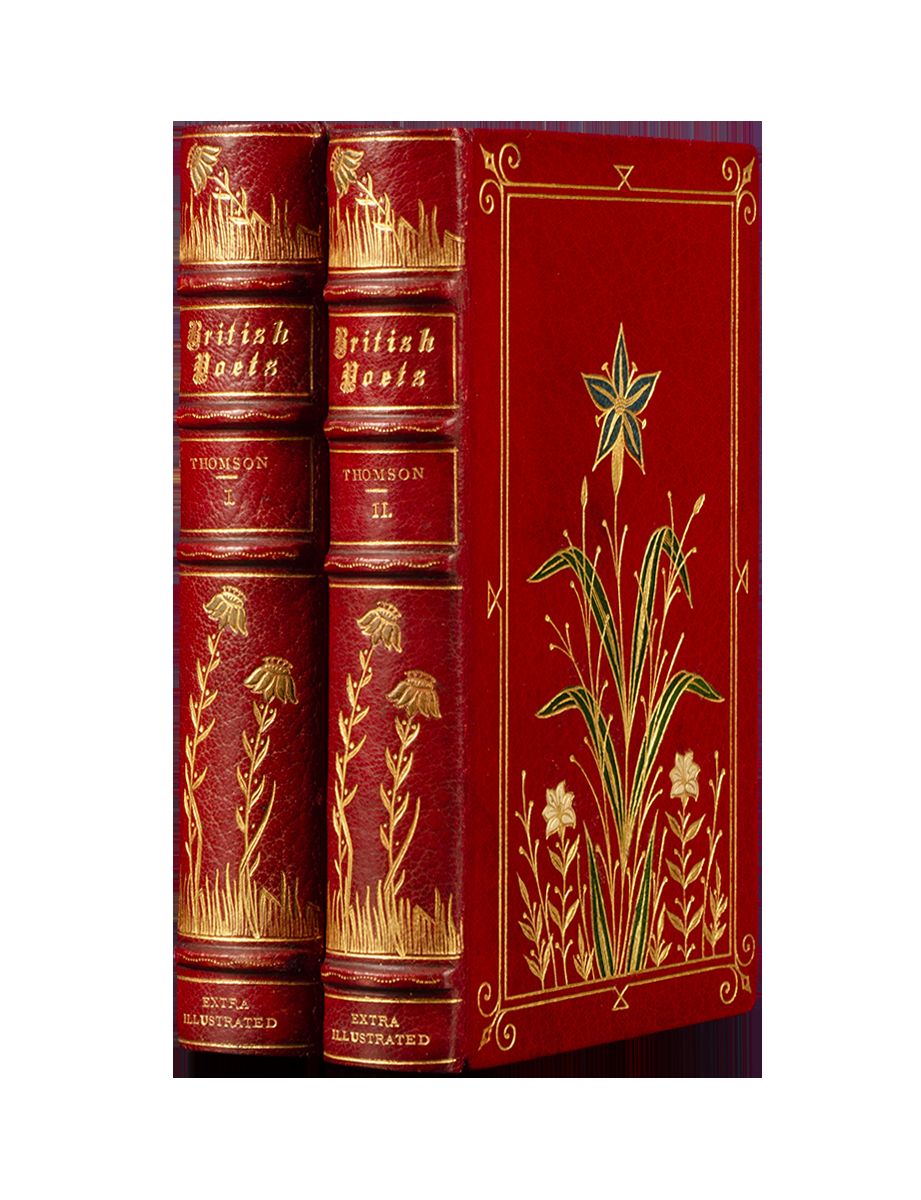
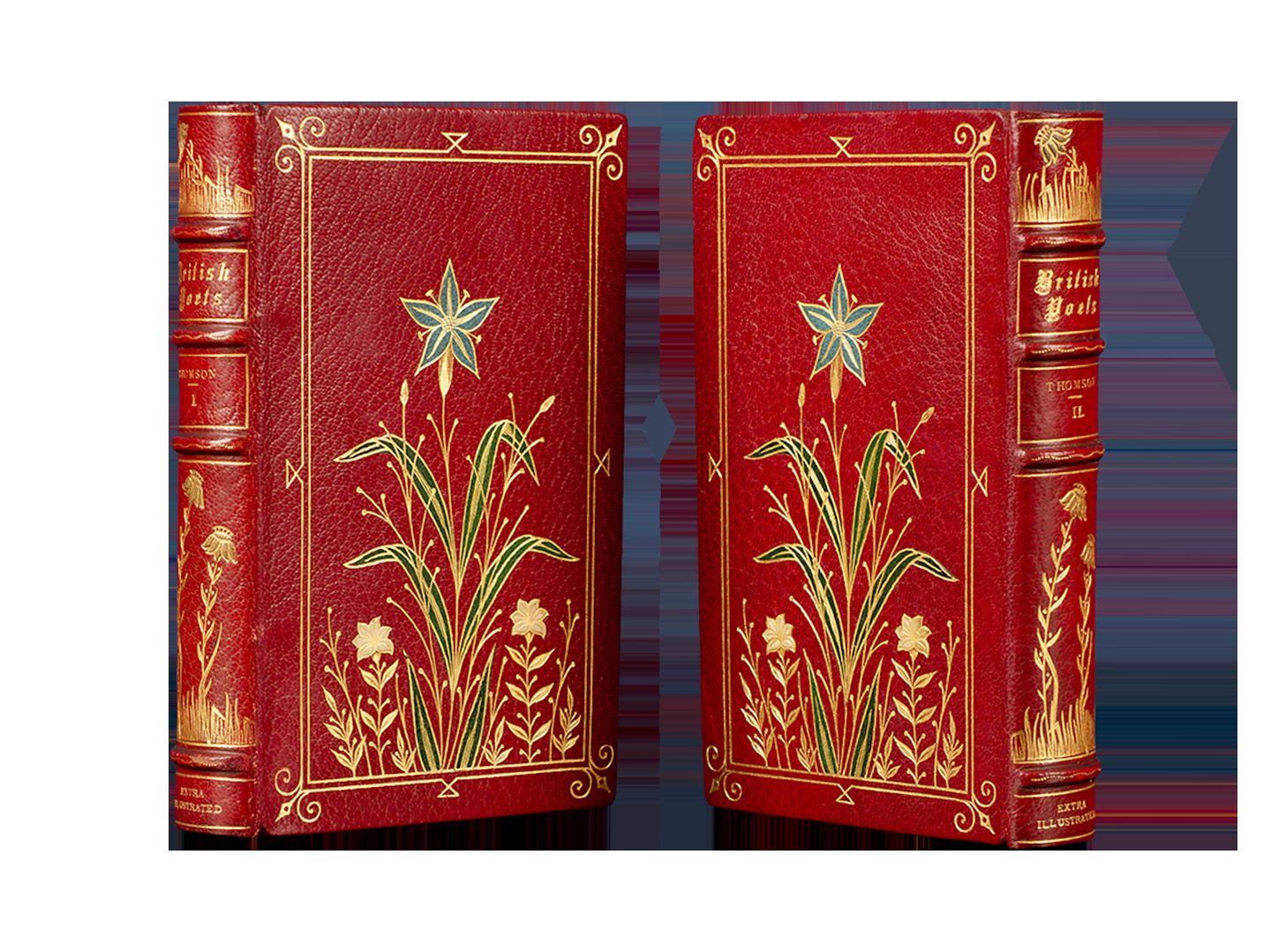
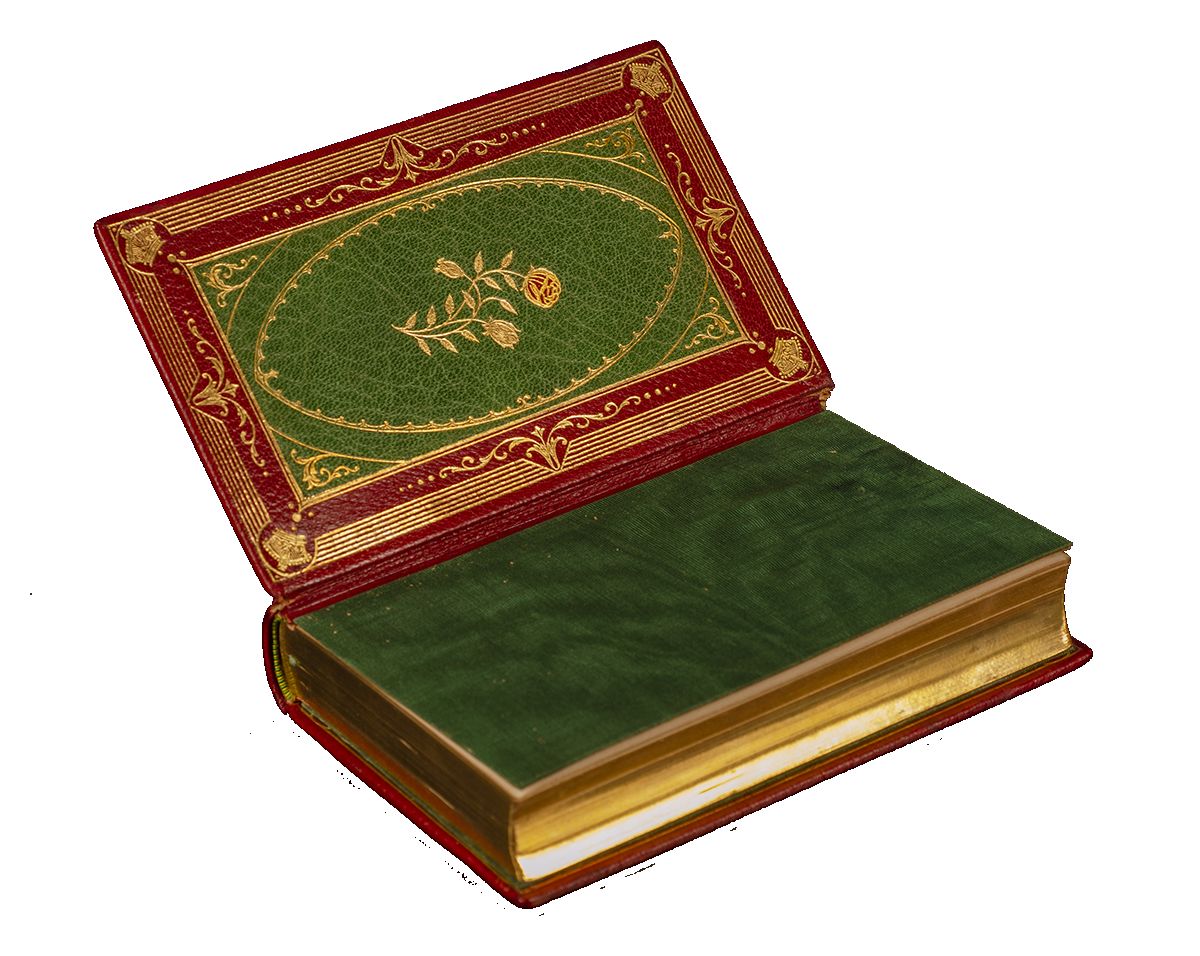
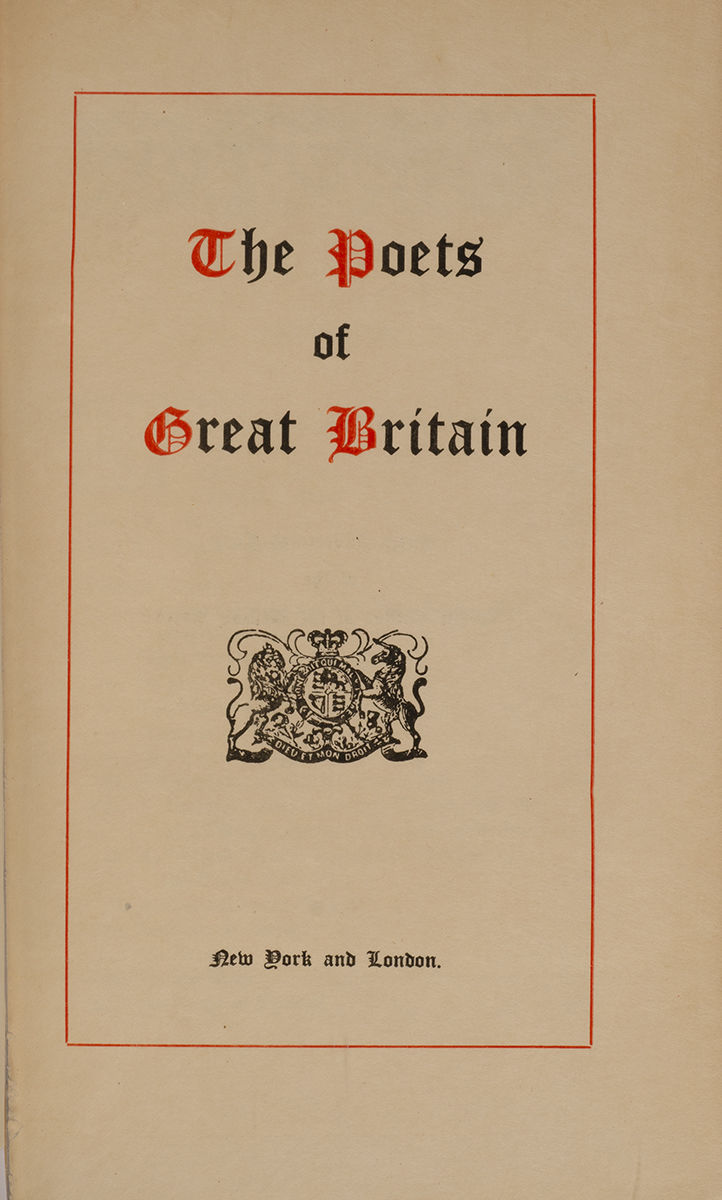
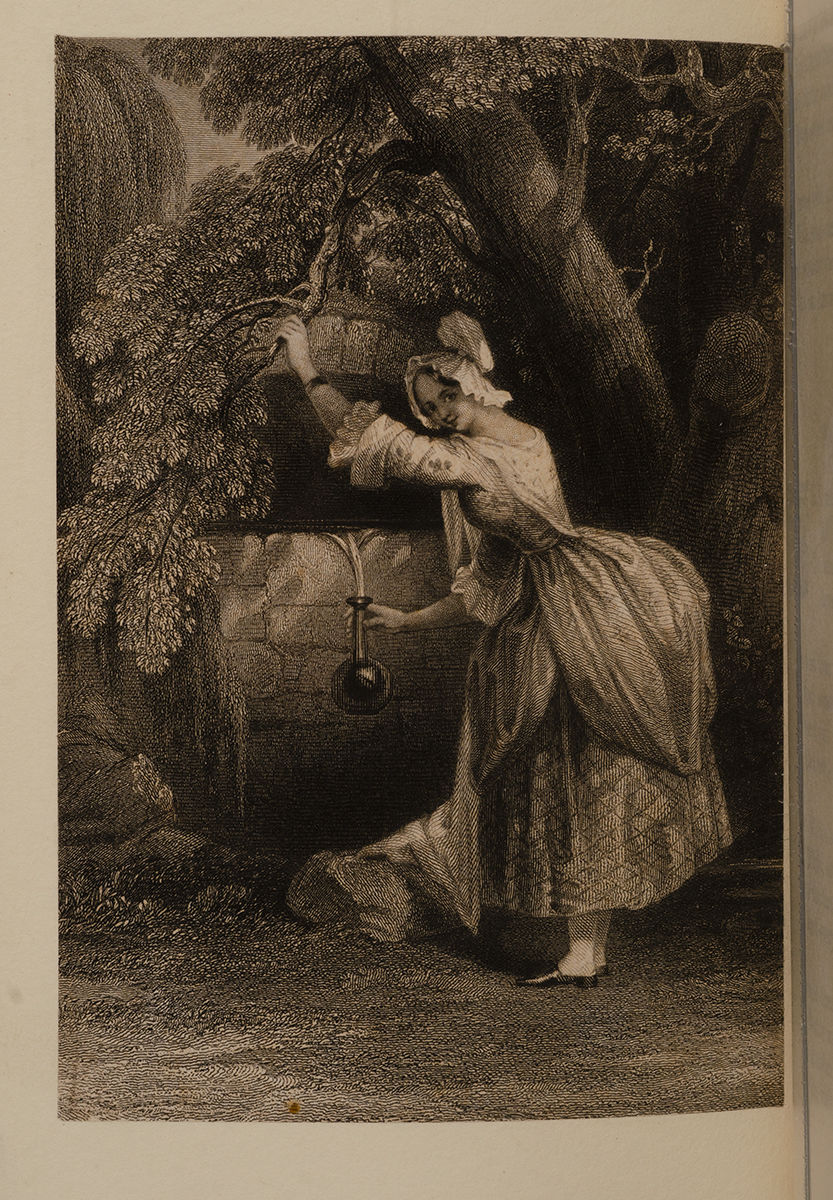
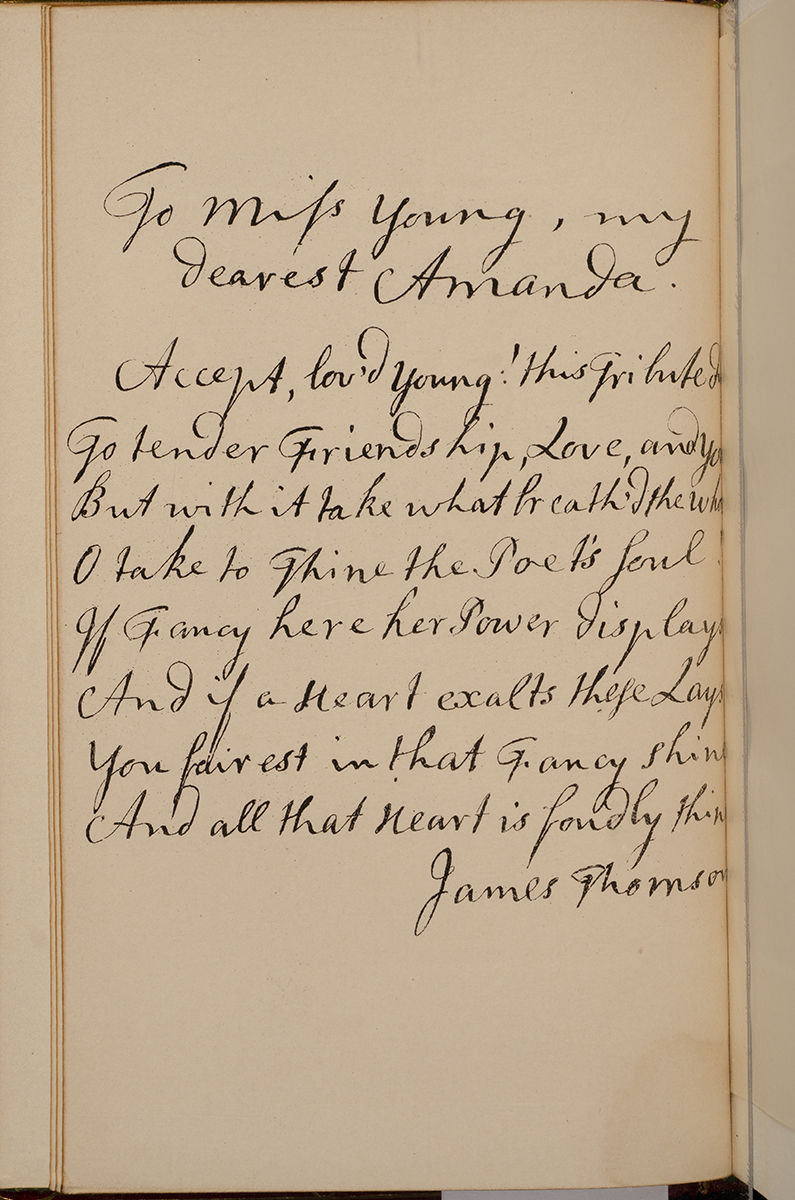
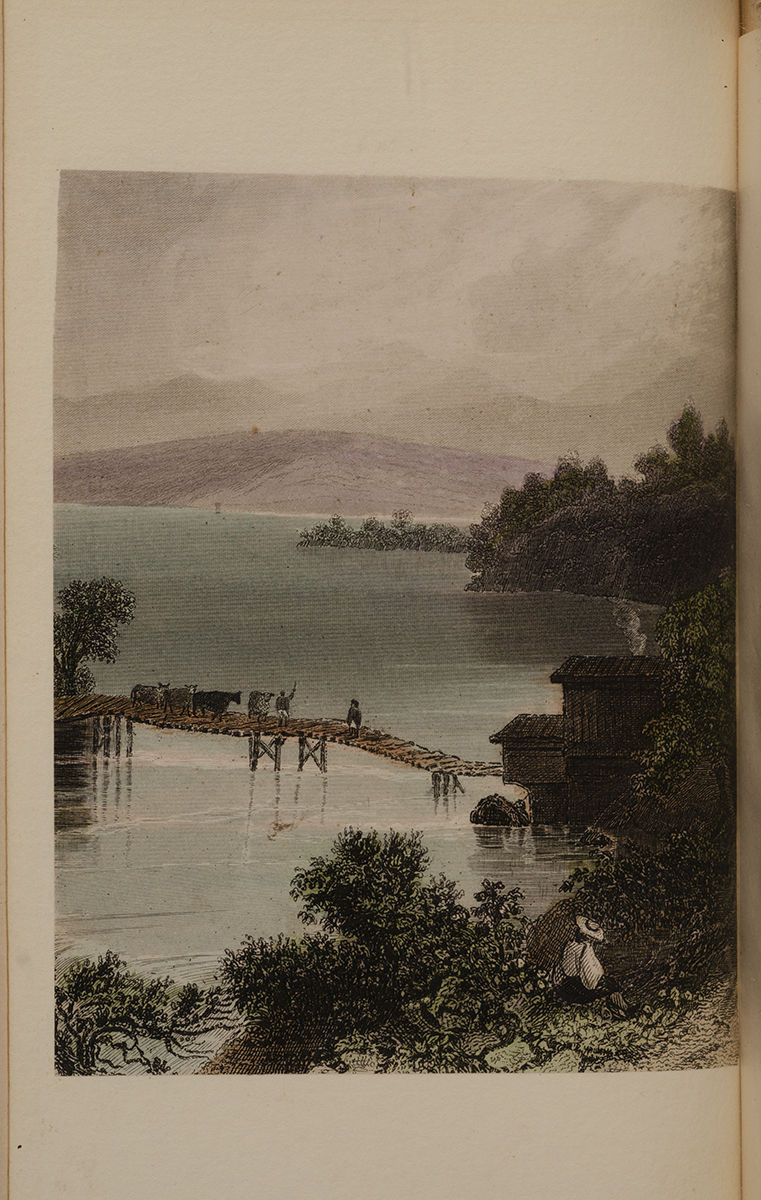
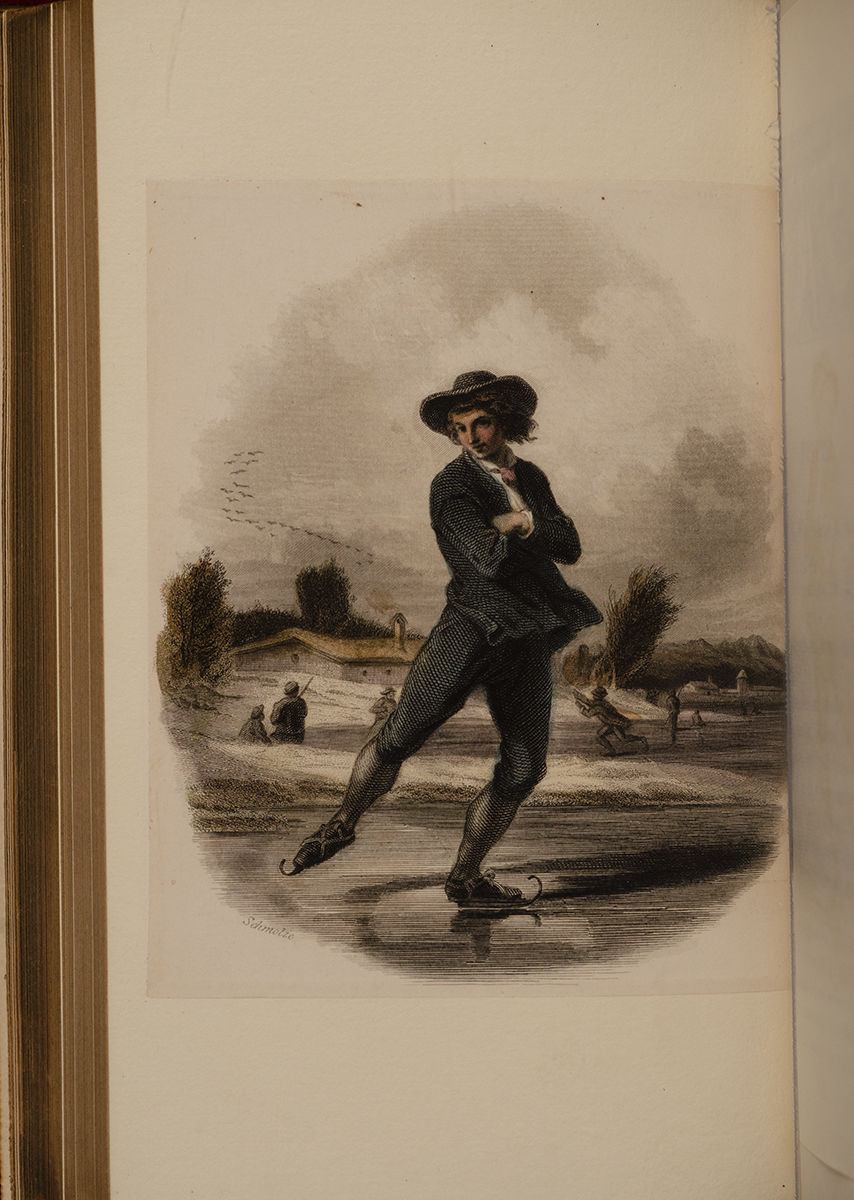
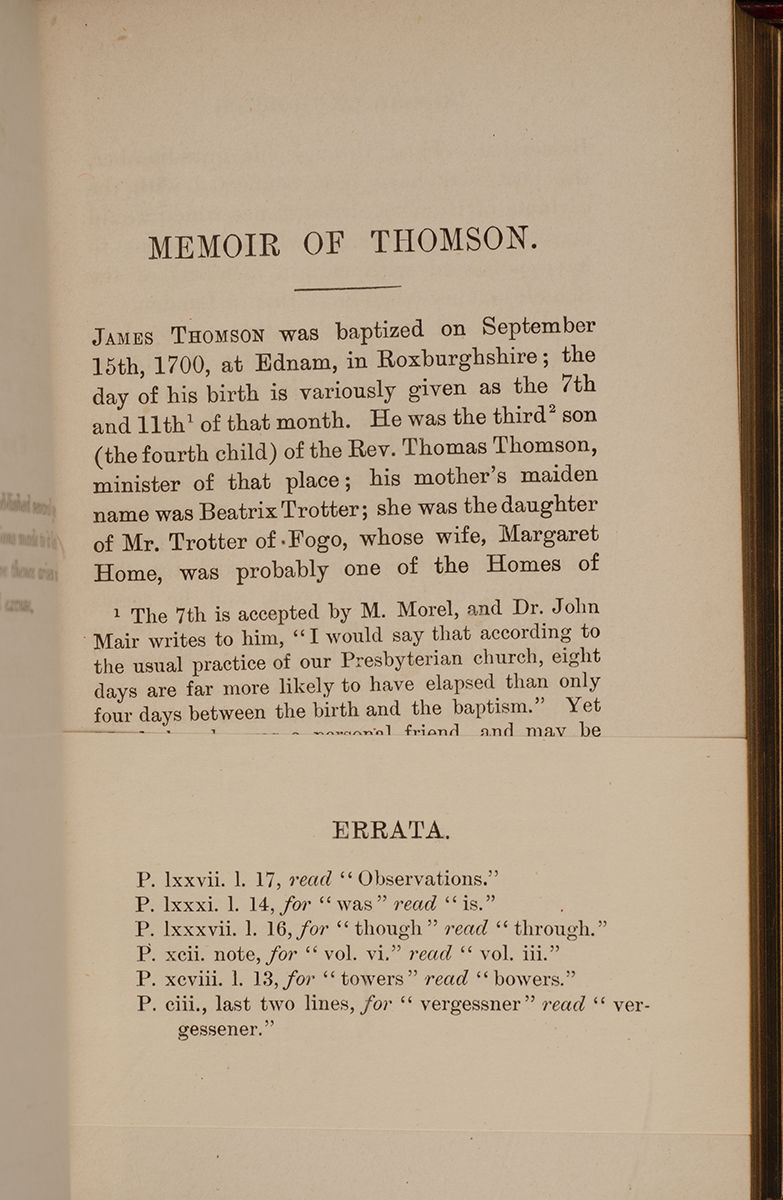
New York and London: Chiwick Press & Charles Whittingham, 1900. Fine. A Fine set. Two small octavo volumes (6 1/2 x 4 inches; 165 x 102 mm.). [i]-cxx, [1]-260; [vii], [1, blank], [1]-324 pp. Title-pages printed in black and red. With a memoir of Thomson. Extra-illustrated by the insertion of twelve engraved plates, including four hand-colored, all with tissue-guards. Handsomely bound almost certainly by The Harcourt Bindery ca. 1900, in full red morocco, covers with double gilt border with fancy corner-pieces, enclosing a spray of flowers elaborately stamped in gilt and with green morocco leaf inlays and buff morocco inlaid flowers. Spines with four raised bands decoratively tooled and lettered in gilt in compartments and with three olive green morocco flower inlays. Highly decorative gilt turn-ins surrounding an oval panel of green morocco decorated in gilt with a large central gilt flower with inlaid red morocco flower head, green moire silk end-leaves, all edges gilt. Minimal rubbing to joints, otherwise fine. Although unsigned the binding is almost certainly by The Harcourt Bindery.
Scottish poet James Thomson (1700-1748) is famous for his poems The Seasons and The Castle of Indolence, and for the lyrics of "Rule, Britannia!". The Seasons is a four-part pastoral poem, inspired by Milton's narrative blank verse, consisting of Winter (1726), Summer (1727), Spring (1728) and Autumn (1730). The poem would inspire painters and musicians, including Gainsborough and Bach, and would be translated into French and German; it was also at the center of in two legal disputes over publication copyrights. Here his work is reproduced in two volumes as part of a series on the Aldine Poets of Great Britain. Thomson, once popular, had fallen into some obscurity by the time these volumes were published, and a note from the editor argues for his inclusion in the literary canon. This edition brings his work together with a brief biography of the author, and the extra illustrations and elaborate binding pay homage to the pastoral delicacy of Thomson's work.
The Harcourt Bindery of Boston has made fine cloth and leather art bindings by hand since 1900. It remains the largest for-profit hand bookbindery in the U.S. When it was founded in 1900, Boston was home to over 47 book binderies and 1,452 craftsmen, according to the company’s website. Few large binderies exist today. Before the 1930s, there were about fifteen people working in the Harcourt Bindery; the number fell to five during the Depression, and the company changed hands three times between 1927 and 1931. When binder Sam Ellenport took over Harcourt in 1971, there were only four employees. In 2008, Ellenport sold the Harcourt Bindery to Acme Bookbinding of Boston. Fine.
Scottish poet James Thomson (1700-1748) is famous for his poems The Seasons and The Castle of Indolence, and for the lyrics of "Rule, Britannia!". The Seasons is a four-part pastoral poem, inspired by Milton's narrative blank verse, consisting of Winter (1726), Summer (1727), Spring (1728) and Autumn (1730). The poem would inspire painters and musicians, including Gainsborough and Bach, and would be translated into French and German; it was also at the center of in two legal disputes over publication copyrights. Here his work is reproduced in two volumes as part of a series on the Aldine Poets of Great Britain. Thomson, once popular, had fallen into some obscurity by the time these volumes were published, and a note from the editor argues for his inclusion in the literary canon. This edition brings his work together with a brief biography of the author, and the extra illustrations and elaborate binding pay homage to the pastoral delicacy of Thomson's work.
The Harcourt Bindery of Boston has made fine cloth and leather art bindings by hand since 1900. It remains the largest for-profit hand bookbindery in the U.S. When it was founded in 1900, Boston was home to over 47 book binderies and 1,452 craftsmen, according to the company’s website. Few large binderies exist today. Before the 1930s, there were about fifteen people working in the Harcourt Bindery; the number fell to five during the Depression, and the company changed hands three times between 1927 and 1931. When binder Sam Ellenport took over Harcourt in 1971, there were only four employees. In 2008, Ellenport sold the Harcourt Bindery to Acme Bookbinding of Boston. Fine.