

The Works of Charlotte Elizabeth
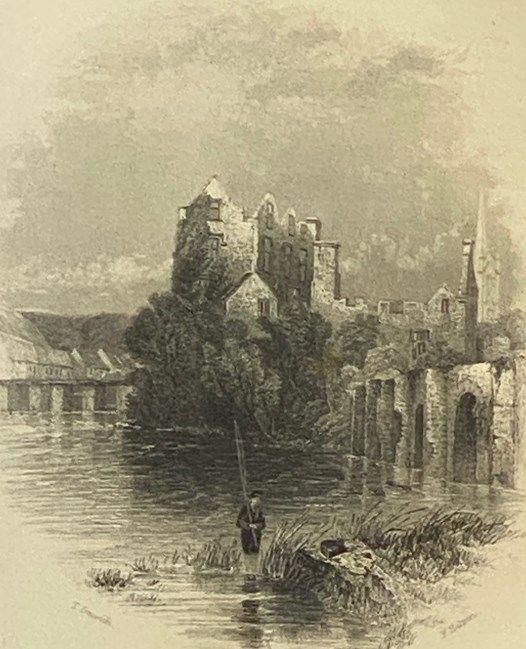
- Hard Cover
- New York: M.W. Dodd, 1846
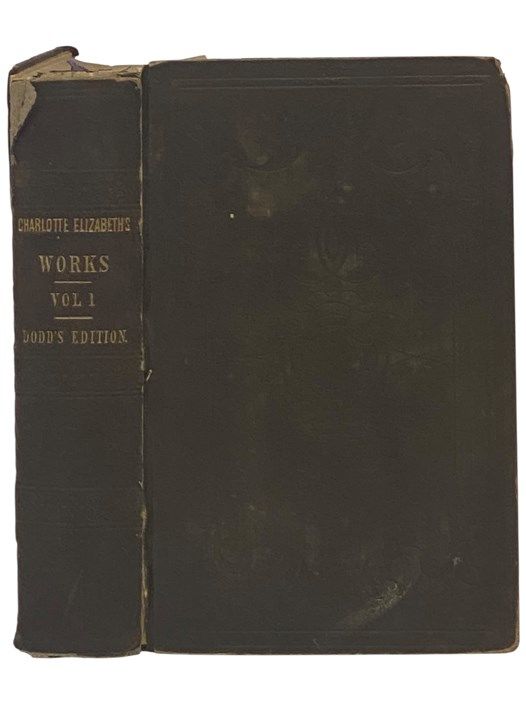
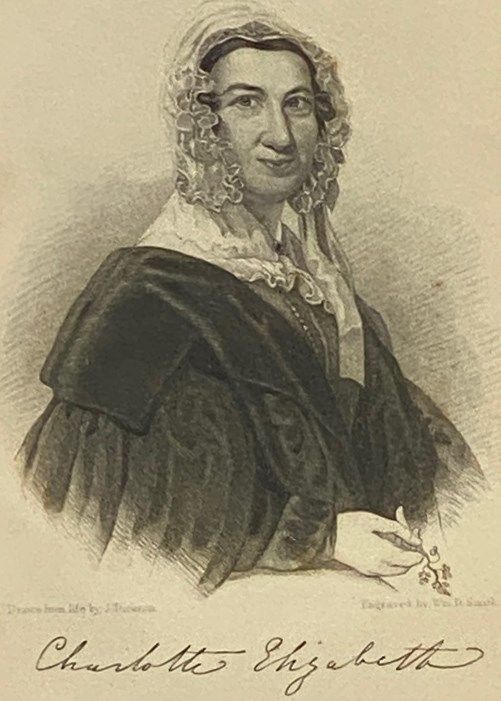
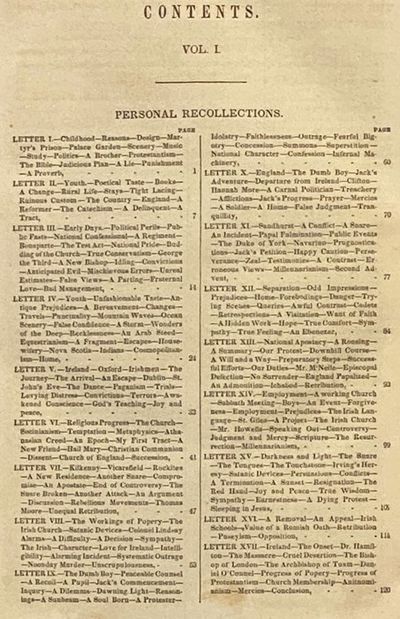
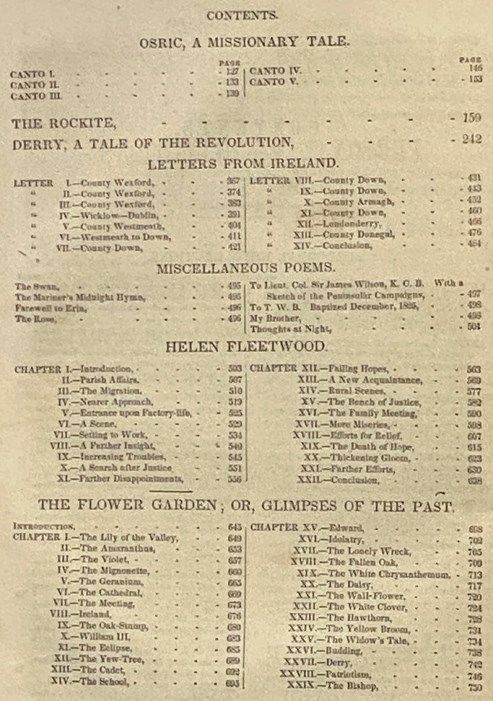
New York: M.W. Dodd, 1846. Hard Cover. Fair/No Jacket. Joints splitting, boards rubbed with edges exposed, a few pages foxed. 1846 Hard Cover. [viii], 753 pp. 8vo. A collection of writings by the author of the first English language Zionist novel, Judah's Lion. Includes an introduction by Harriet Beecher Stowe; thirty-one letters; five cantos; The Rockite; Derry, A Tale of the Revolution; eight poems; Helen Fleetwood; The Flower Garden; or, Glimpses of the Past. "Charlotte Elizabeth Tonna [1790 - 1846] wrote prolifically under her baptismal name, Charlotte Elizabeth. She was born in Norwich, Norfolk, the daughter of Reverend Michael Browne, an Anglican priest and a canon at Norwich Cathedral. Charlotte was brought up in a Tory, royalist, Church-of-England family. Early in her life, Charlotte Elizabeth acquired her passions: first, the plight of English factory workers, second, evangelical religion, and finally gardening. On the death of her father [1812], she moved to London with her mother. There she met Cpt. George Phelan whom she married six months later. After two years in Canada, where her husband was stationed in the British army, they moved to Ireland where they lived from 1819 - 1824. During this time, she converted to Evangelical Protestantism, became anti-Catholic, and began her literary career, writing for the Dublin Tract Society in the early 1820's. Legally separating from her husband who was posted abroad once more, Charlotte Elizabeth eventually returned to England where she took residence in Clifton near Bristol. There, she met Hannah More who also wrote religious tracts and homilies. In her Personal Recollections written at the end of 1840, Charlotte Elizabeth explains her interest in Jews and Palestine, or as her husband put it, 'her long-cherished hopes, the incipient restoration of Israel.' Some critics and historians see Tonna as a 'Zionist' - though strictly speaking the term itself did not come into use until 1896- and her novel Judah's Lion as a Zionist novel. Elizabeth's novel recounts the story of an English Jew, Alick Cohen, and his voyage to the Holy Land where, moved by his experiences, he converts to Christianity, retaining, however, his Jewish identity. The title of the novel is itself a subtle reminder of the theme of the inextricable and intertwined destinies of two nations, England and Jewish Palestine. The character Gunner Gordon reflects on this theme; his sense of gratitude to Judaism recalls George Eliot's remark in her letter to Harriet Beecher Stowe that '…towards the Hebrews we western people, who have been reared in Christianity, have a peculiar debt, and whether we acknowledge it or not, a peculiar thoroughness of fellowship in religion and moral sentiment…[the English reveal] themselves empty of any real knowledge as to the relations of their own social and religious life to the history of the people they think themselves witty in insulting. They hardly know that Christ was a Jew…'" - Ibn Warraq, New English Review, February 2010