

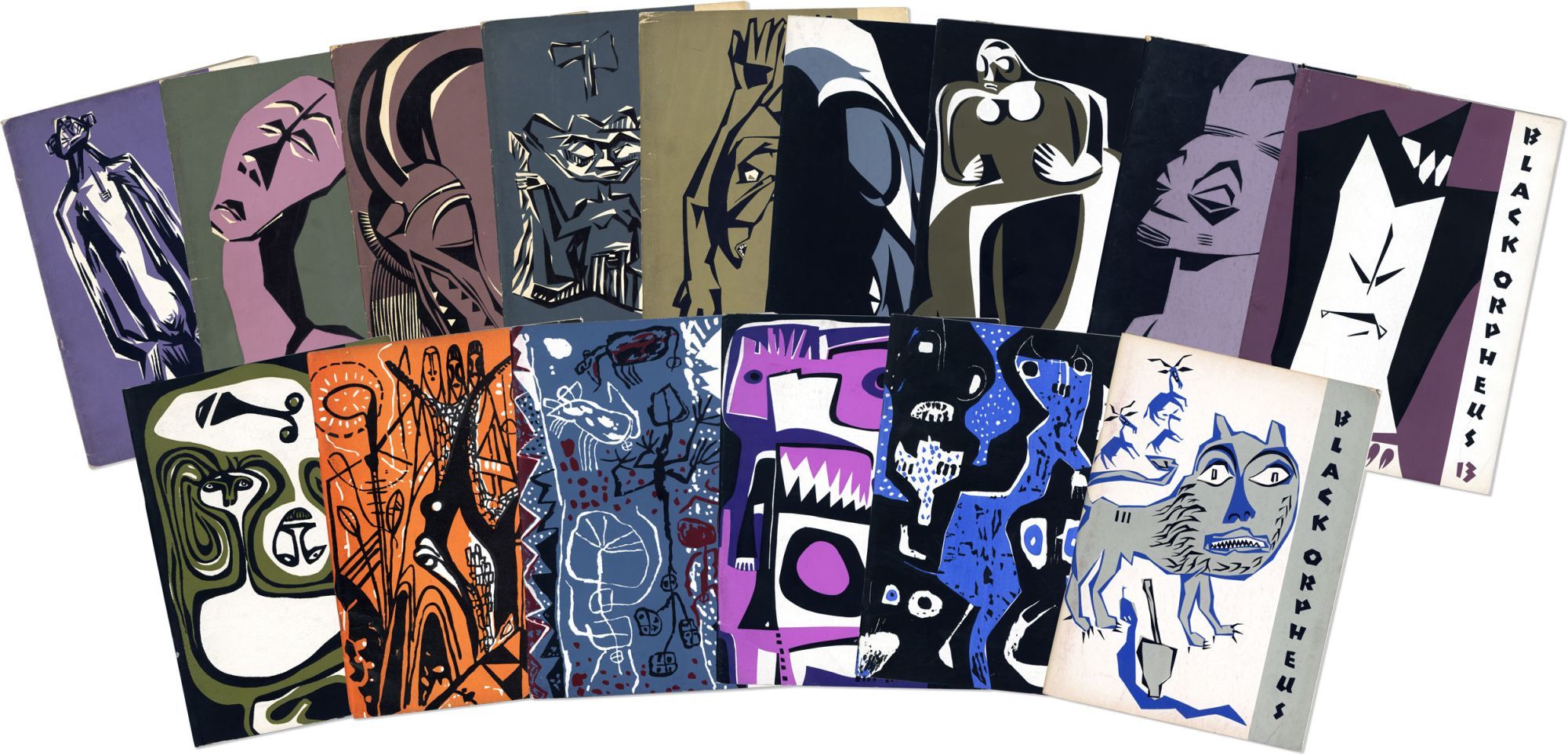
Black Orpheus. A Journal of African and Afro-American Literature; A Collection of 15 Issues of the influential Nigerian Arts & Literature Journal
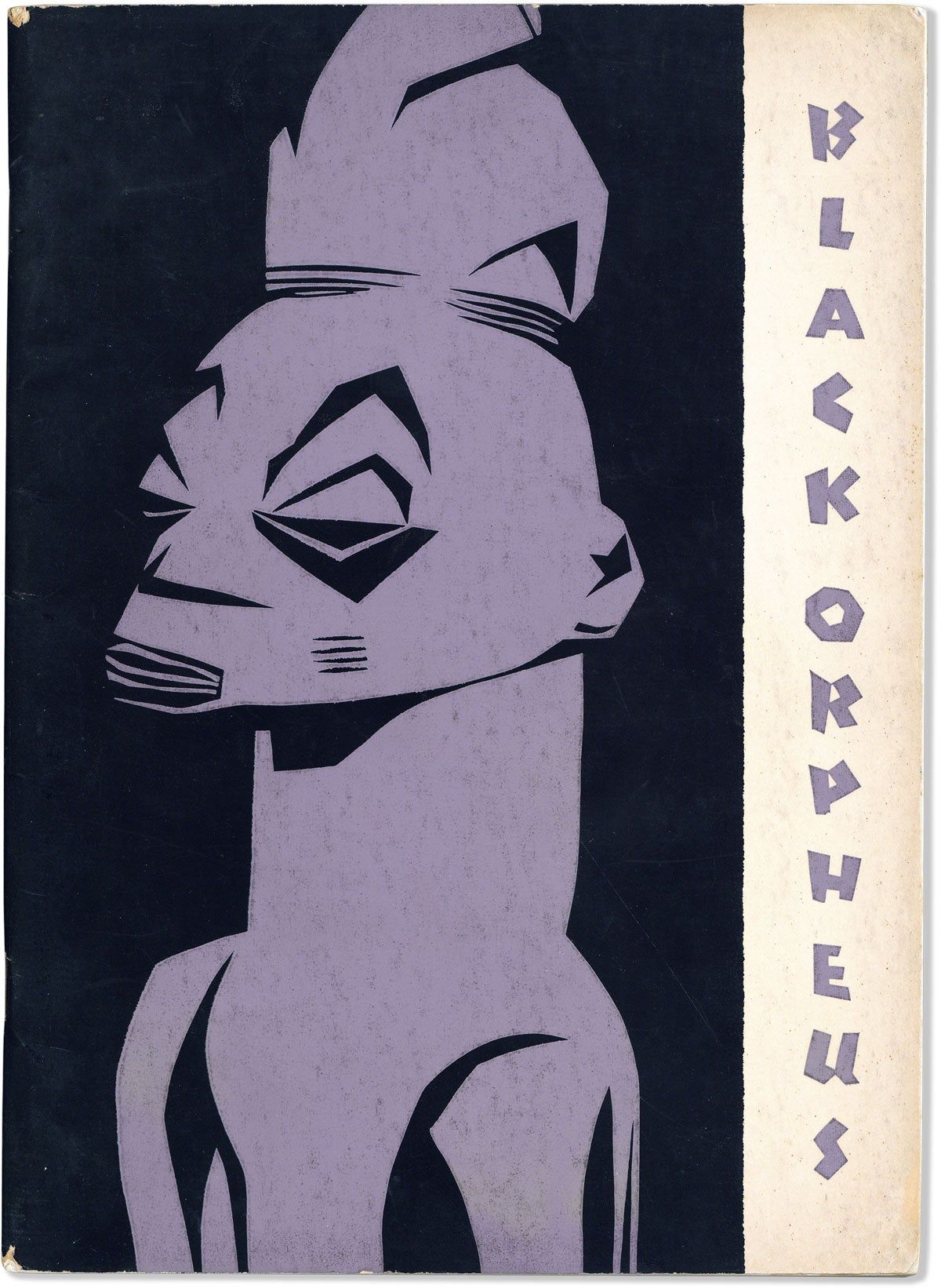
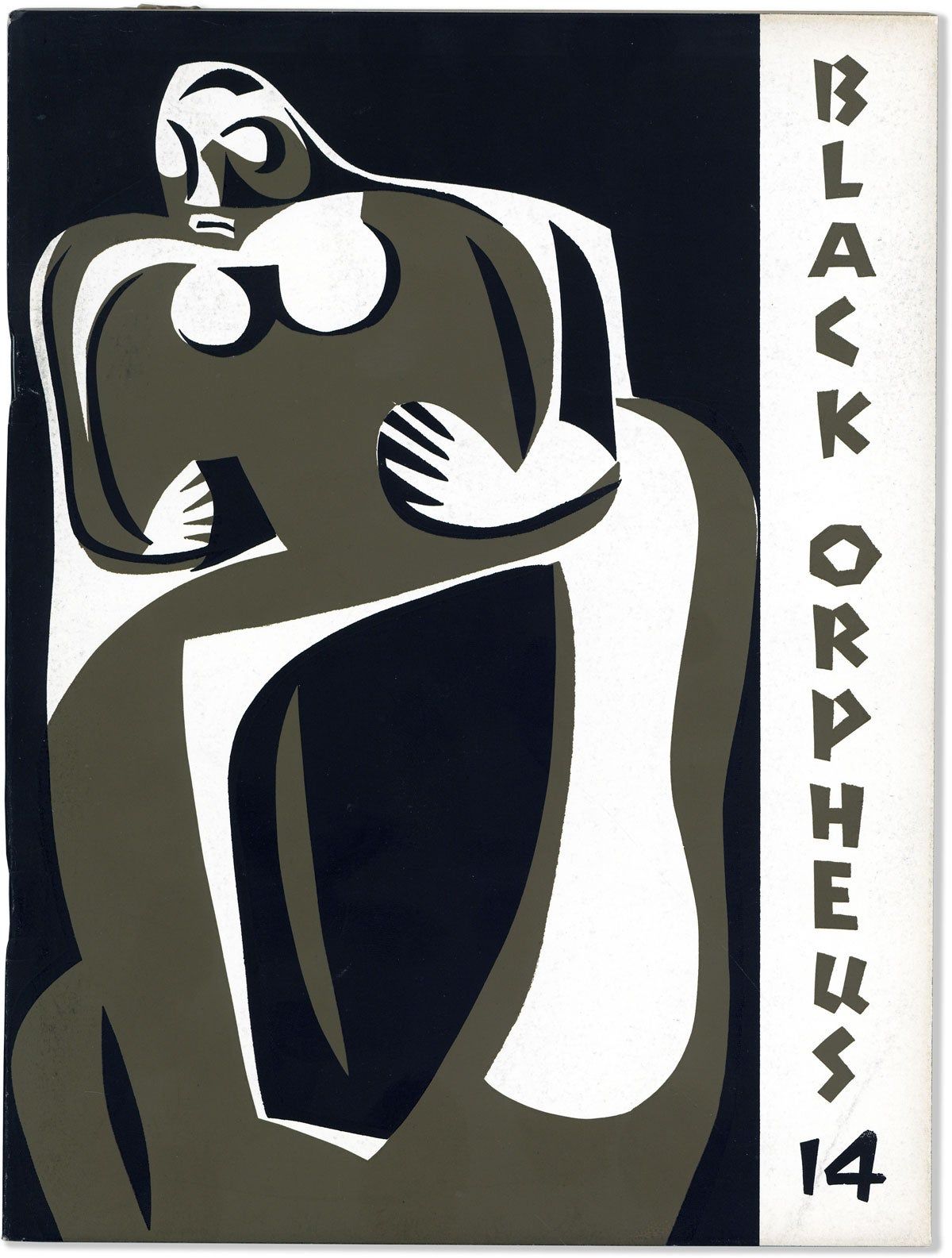
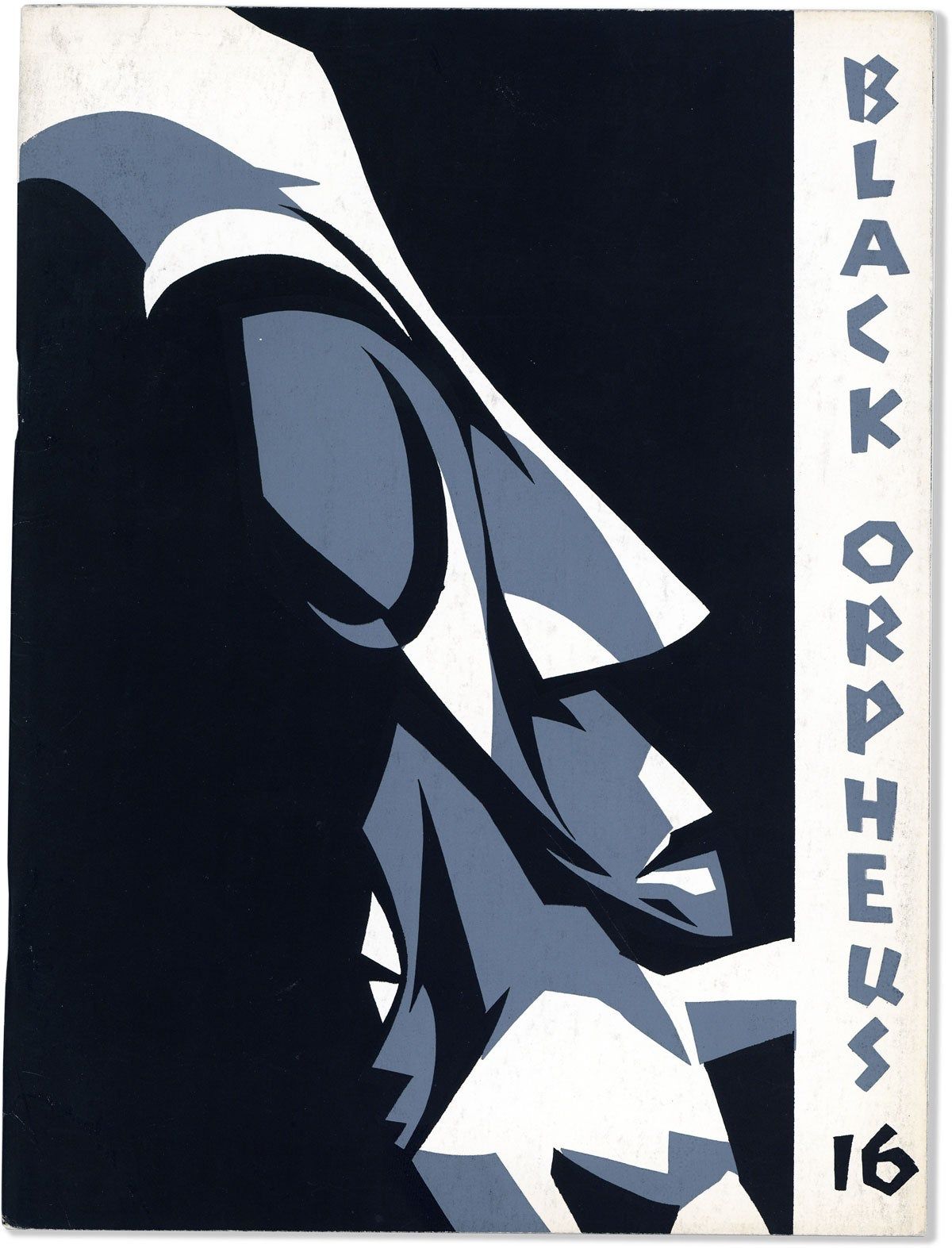
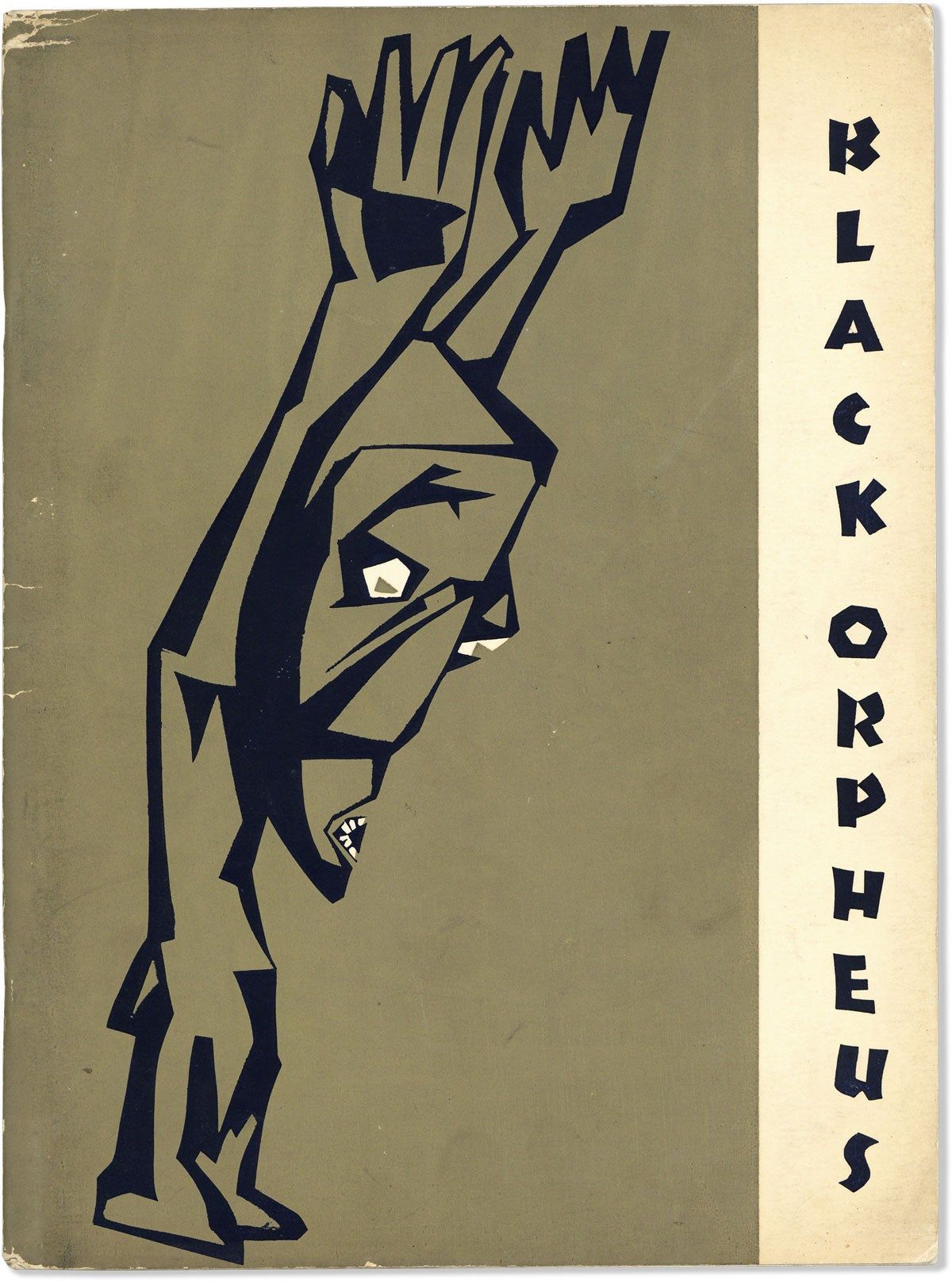
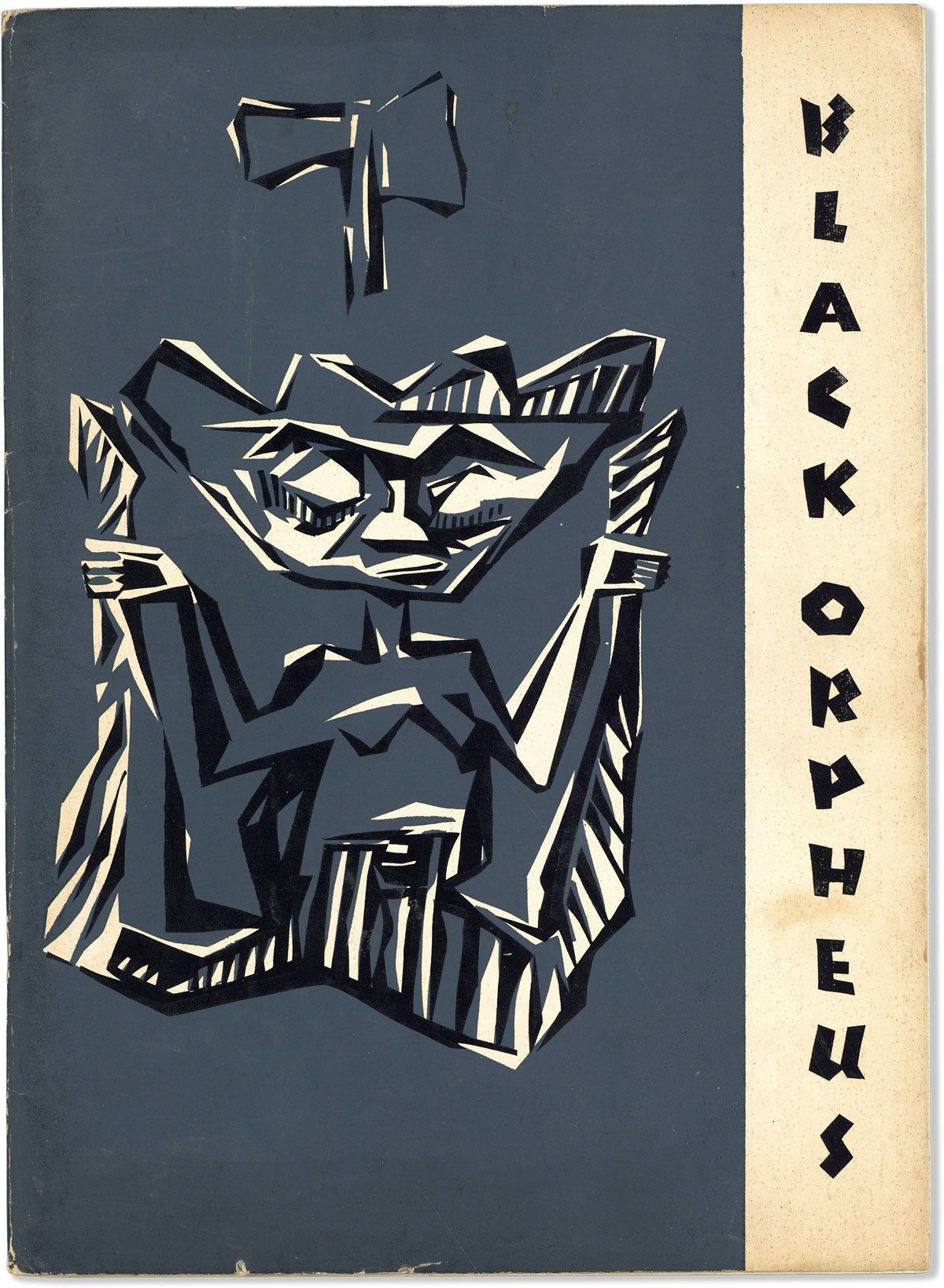
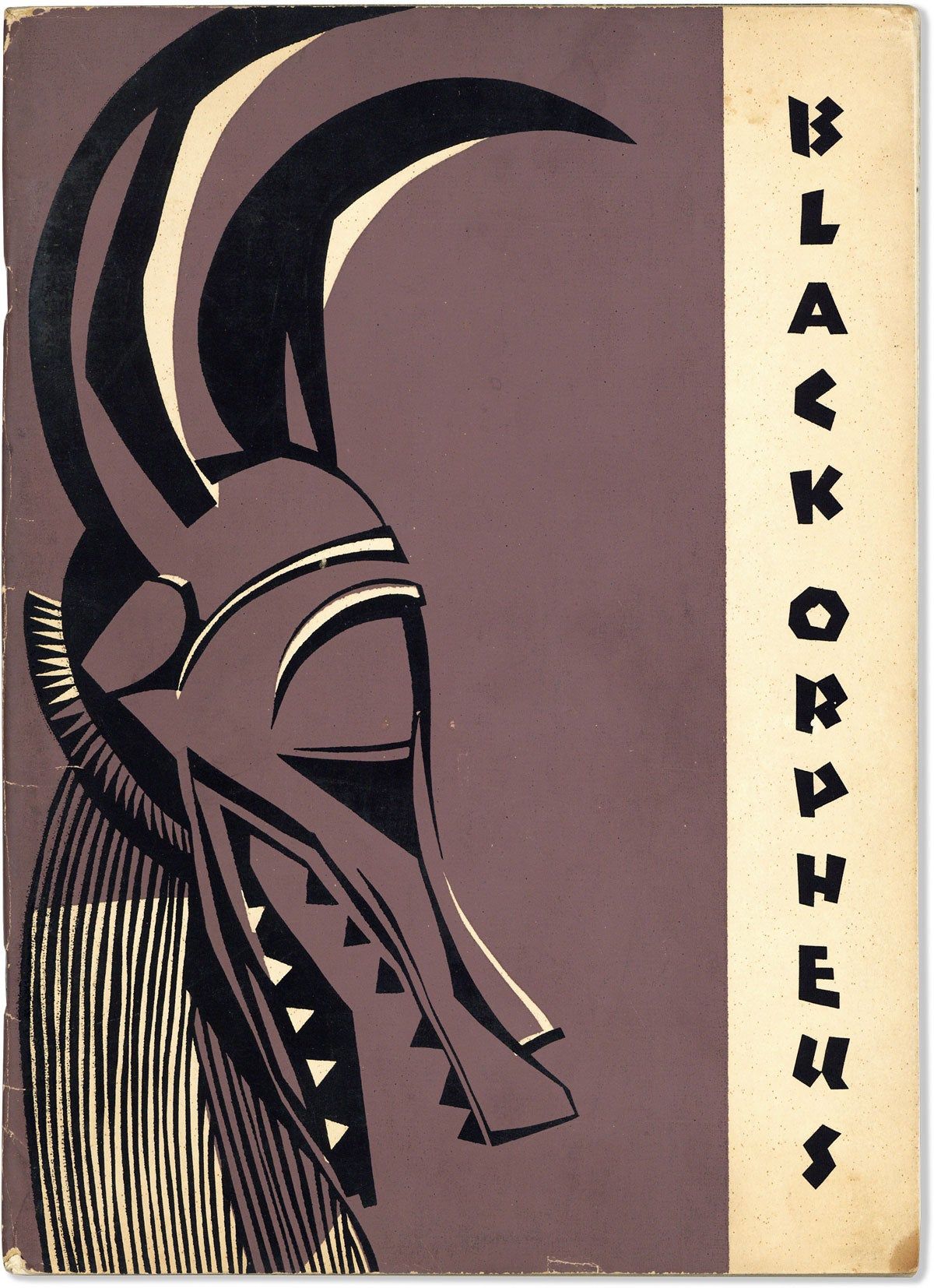
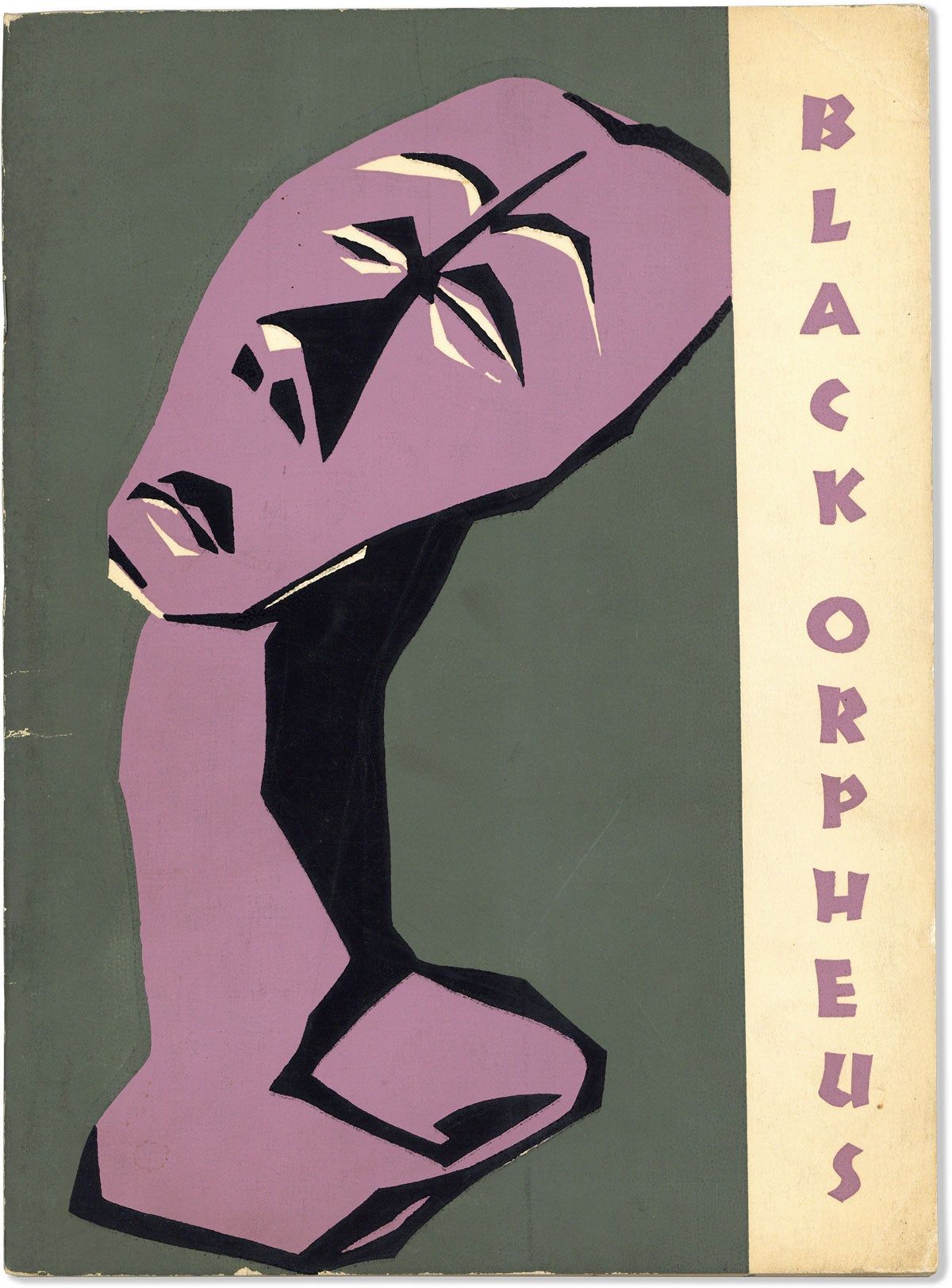

- Ibadan, Nigeria: General Publications Section, Ministry of Education, 1958-1968
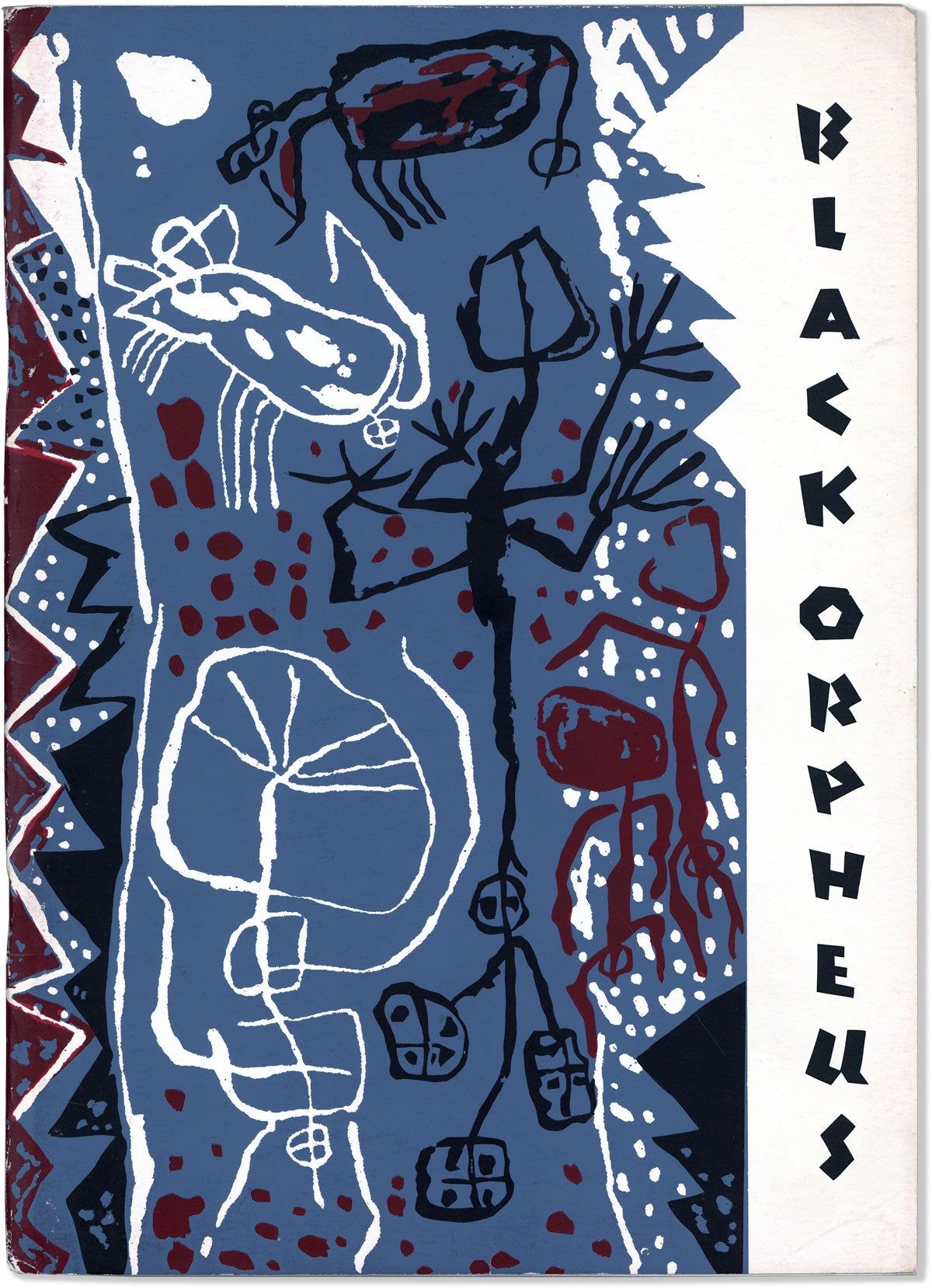
Ibadan, Nigeria: General Publications Section, Ministry of Education, 1958-1968. Fifteen issues (complete list below) in original screen-printed wrappers. Quarto. [ca. 24.5cm - 26cm]; 64pp per issue. Visible but mild wear to extremities and corners, a few issues with light soiling or thumbing; overall Very Good. A handsome run including fifteen of the twenty-two issues published in the First Series.
A foundational magazine of postcolonial authors, most but not all from the African continent. printed in Ibadan, Nigeria, founded by an ex-pat German, taking its name from a Sartre essay, and described by the Encyclopedia of Africa as "a powerful catalyst for artistic awakening throughout West Africa." Established in 1957, and running with the occasional interruption until 1975. It numbered amongst its run of editors groundbreaking African poets, artists, and writers including Wole Soyinka, Abiola Irele, and Es'kia Mphalele. Most oddly of all it owed some of its initial funding to the Congress for Cultural Freedom, which made financial contributions to get the magazine on an even keel, but later turned out to have been a front organization for the CIA.
The numerous contributors of art, poetry and criticism are essentially a checklist of wildly important and influential African writers and artists including Chinua Achebe, Ibrahim el-Salahi, Aimé Césaire, Cyprian Ekwensi, Amos Tutuola, and Birago Diop (the Senegalese father of the African folklore revival) among a host of others struggling to complete the vision of earlier work by people like Alain Locke striving to establish African artistic endeavor on a level footing with Western arts with a tradition, schools, and masters all of its own.
Issues present in the collection:
#3: May 1958. Includes "Akan Poetry" by Kwabena Nketia, "Afro-Cuban Poems" by Nicholas Guillen, Emilio Ballagas, Luis Pales Mtos et al., and "Camara Laye's Symbolism" by J.A. Ramsaran
#4; October 1958. Includes "Migrants with Manuscripts" by Randolph Rawlins, "Seven Poems" by Paul Vesey, and "Shango Shrine" by Ulli Bieir
#5. May 1959. Includes "Three Poems" by Wole Soyinka, "Roger Mais" by Sangodare Akanji, "Five Poems" by Langston Hughes etc.
#6. November 1959. Includes "The Immigrant" by E. Mphalele, "Bambara Nights" by Mallam Hamphate Ba, "Two Poems" by Gabriel Okara etc.
#7. June 1960. Includes "East Indians and West" by Gerald Moore, "Souza" by Omidiji Aragbabalu, "Anancy" by Andrew Salkey, and Cyprian Ekwensi's "Drums and Voices"
#8. No date given, but either late 1960, or early 1961. Includes Ado Faleti's "Independence", "Songs of Nmeka" by Margaret Olisa, "Slipper Satin" by Alex La Guma, and Gabriel Okara's "The Crooks", this issue also has six Georgina Betts linocuts spread throughout the magazine.
#9. June 1961. Includes Fiction from Ibrahim Tahir, Nkem Nwankwo, Marthe Araud etc., L.S. Senghor's "Songs for Naett". Ezekiel Mphalele on Langston Hughes, and "Gimme Dat Ole Black Magic" by Wolfgang Vogel.
#10. No Date Stated, but late 1961/early 1962. Includes "Okolo" by Gabriel Okara, "Mamelles" by Birago Diop, a section on "New Nigerian Poetry" showcasing Frank Aig Imokhuede, Wole Soyinka, etc. and "Luo Songs" by Henry Owuor
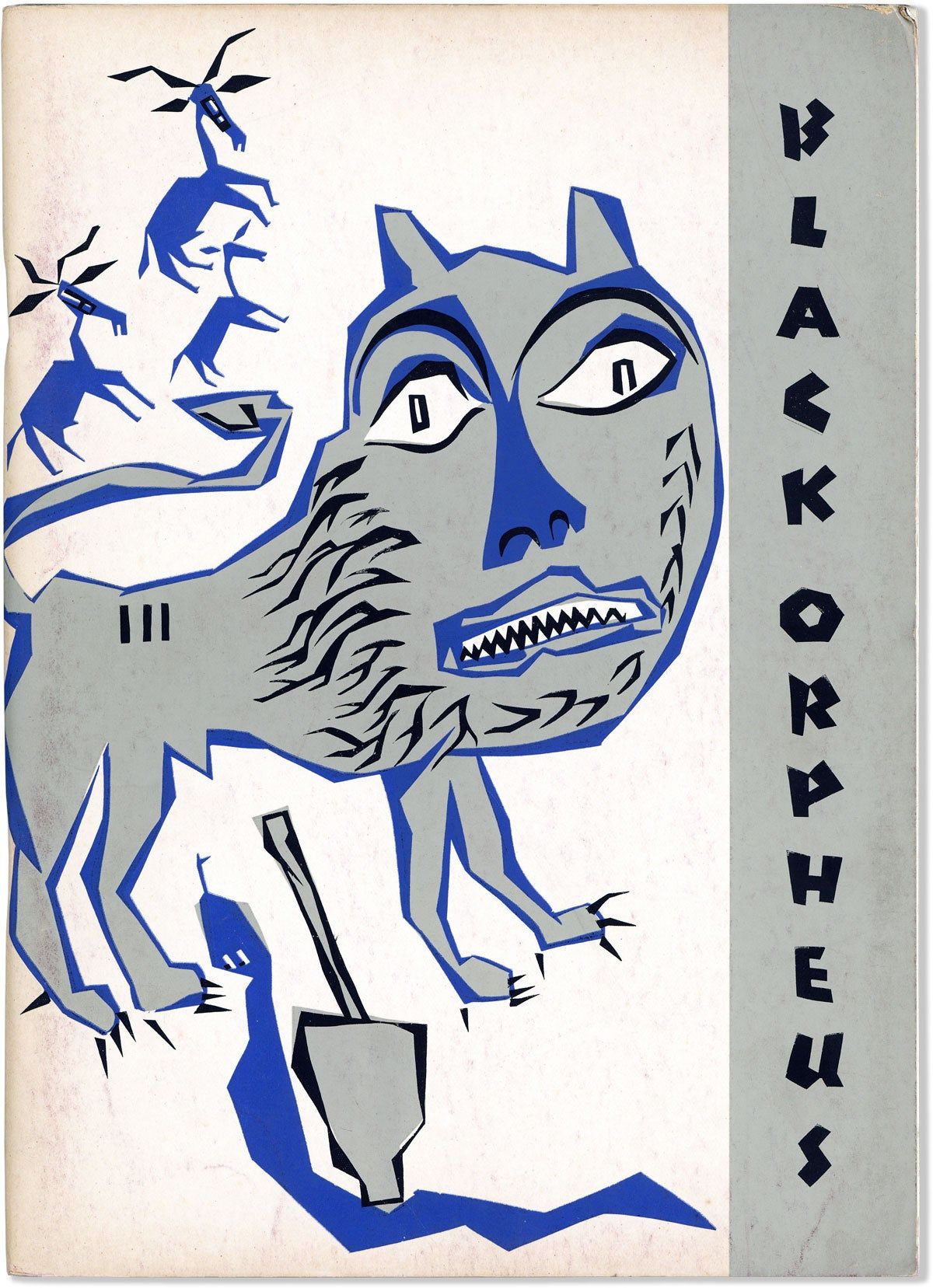
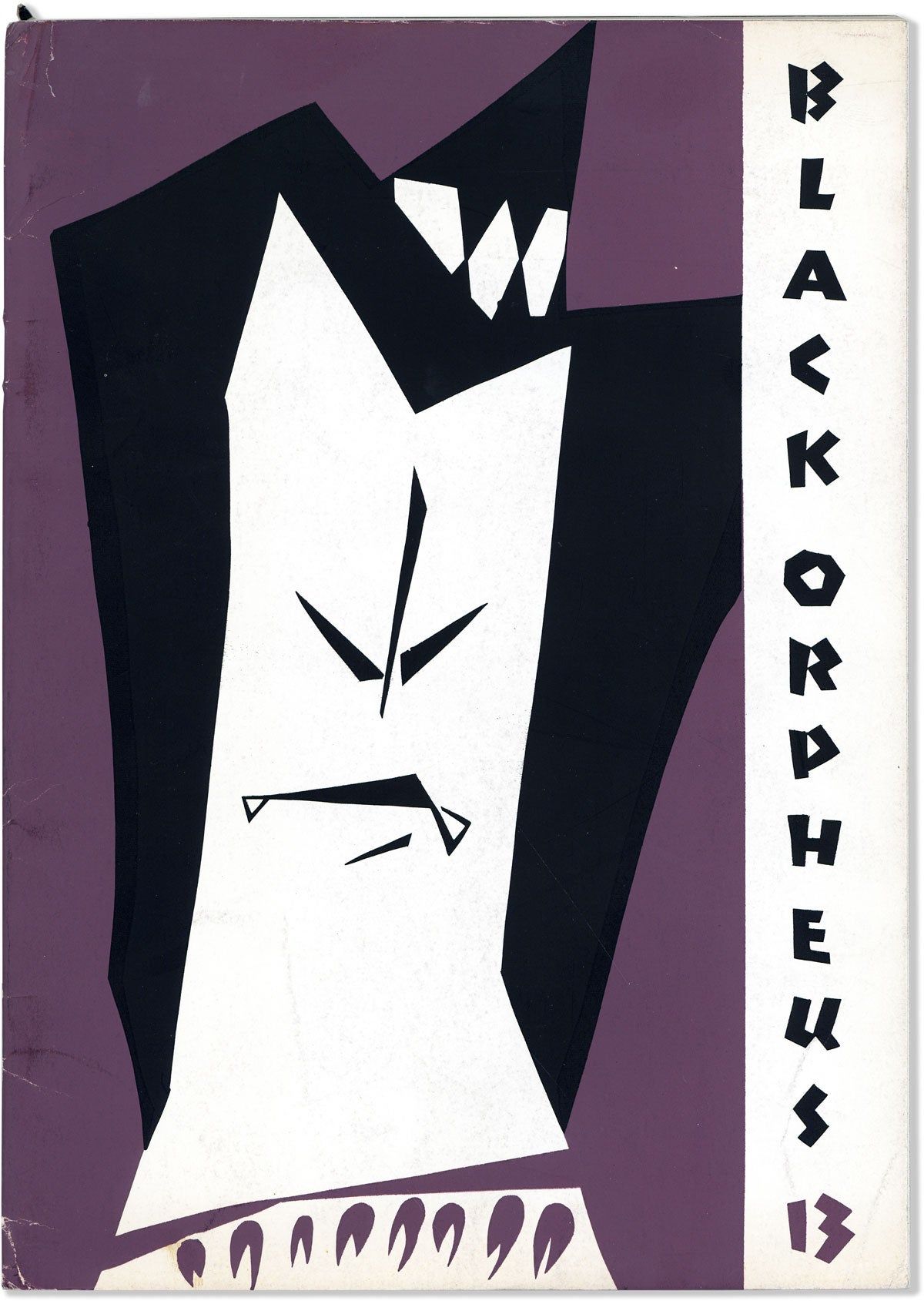
#13. November 1963. Includes "6 Poems" by John Pepper Clark, "Tangled Web" by Christina Attarah, and "Madness" by Felix Tchikaya U'Tamsi. With cover art by Susanne Wenger
#14. February 1964. Includes "The Captive" by Ibrahim Tabir, "Tattoo Marks and Nails" by Alex La Guma, and "Five Poems" by Margareta Olisa, and a critical piece by Ulli Beier entitled "Public Opinion on Lovers" among other pieces. The illustrations for this issue, beyond the work of Susanne Wenger, are "rubber cuts" made from salvaged tires etc. in the absence of other materials, and used in the creation of vast quantities of "Onitsha" market literature, produced and sold cheaply across a wealth of subjects and fields from fiction to engineering, and advice on one's love life
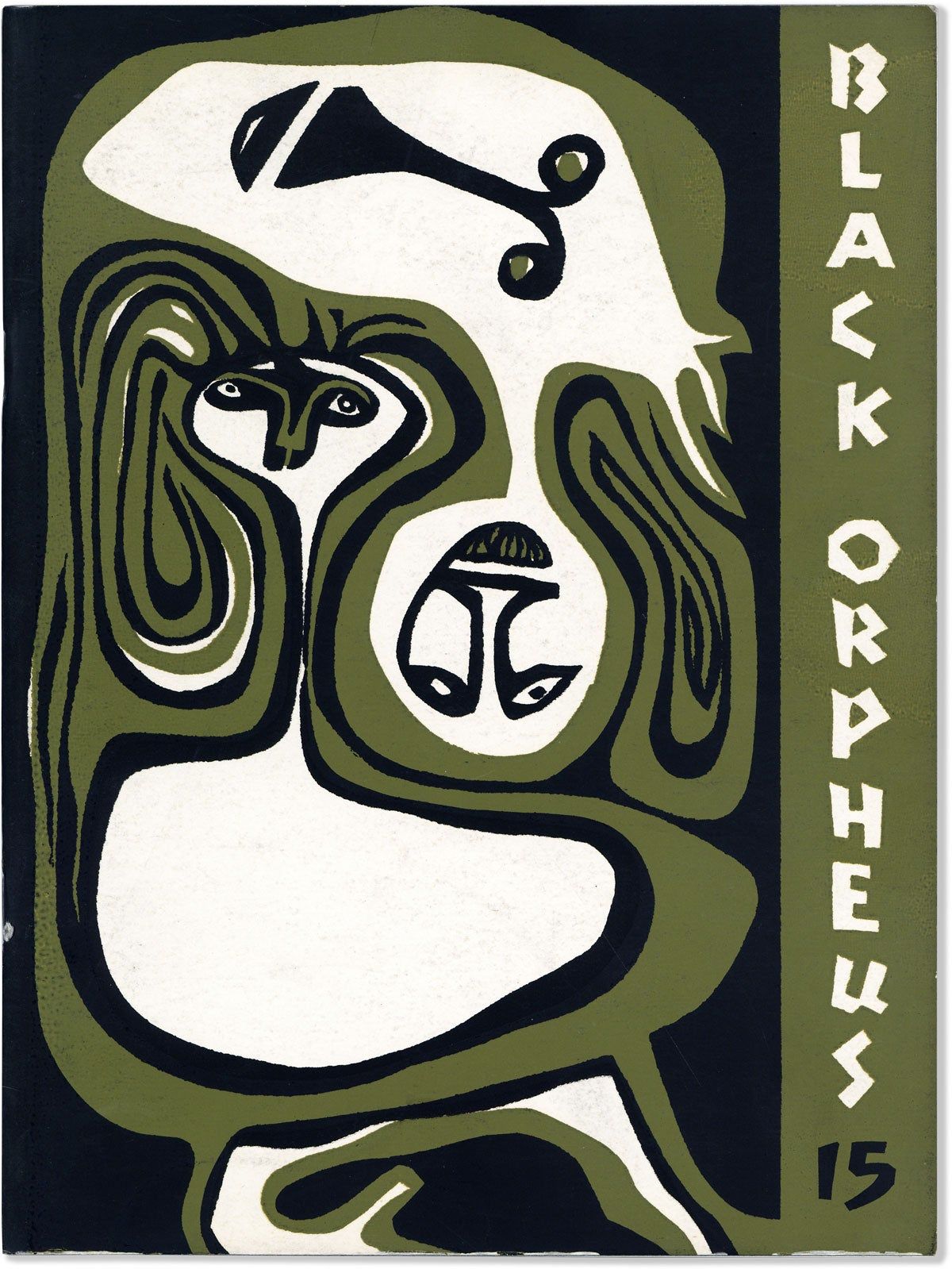
#15. August 1964. Includes "I Heard a Bird Cry" by George Awoonor Williams, "Three Poems" by Agostinho Neto, the dramatic production "Oba Koso" by Duro Ladipo, Alex La Guma's "Blankets", and Sheikh Amidou Khane's "Ambiguous Adventure" among a larger number of contributions than usual, presumably a side effect of the larger than usual gap between issues in 1964
#16. October 1964. Includes a contribution from Paul Theroux entitled "Four Poems", Glory Okugbule Nwanodi's "The Worshipper", "A Stop in The Night" a piece of fiction by J.P. Clark, the article "Africa in West Indian Literature" by Oscar Dathorne, and Albert Cossary's "The Girl and The Hashish Smoker."
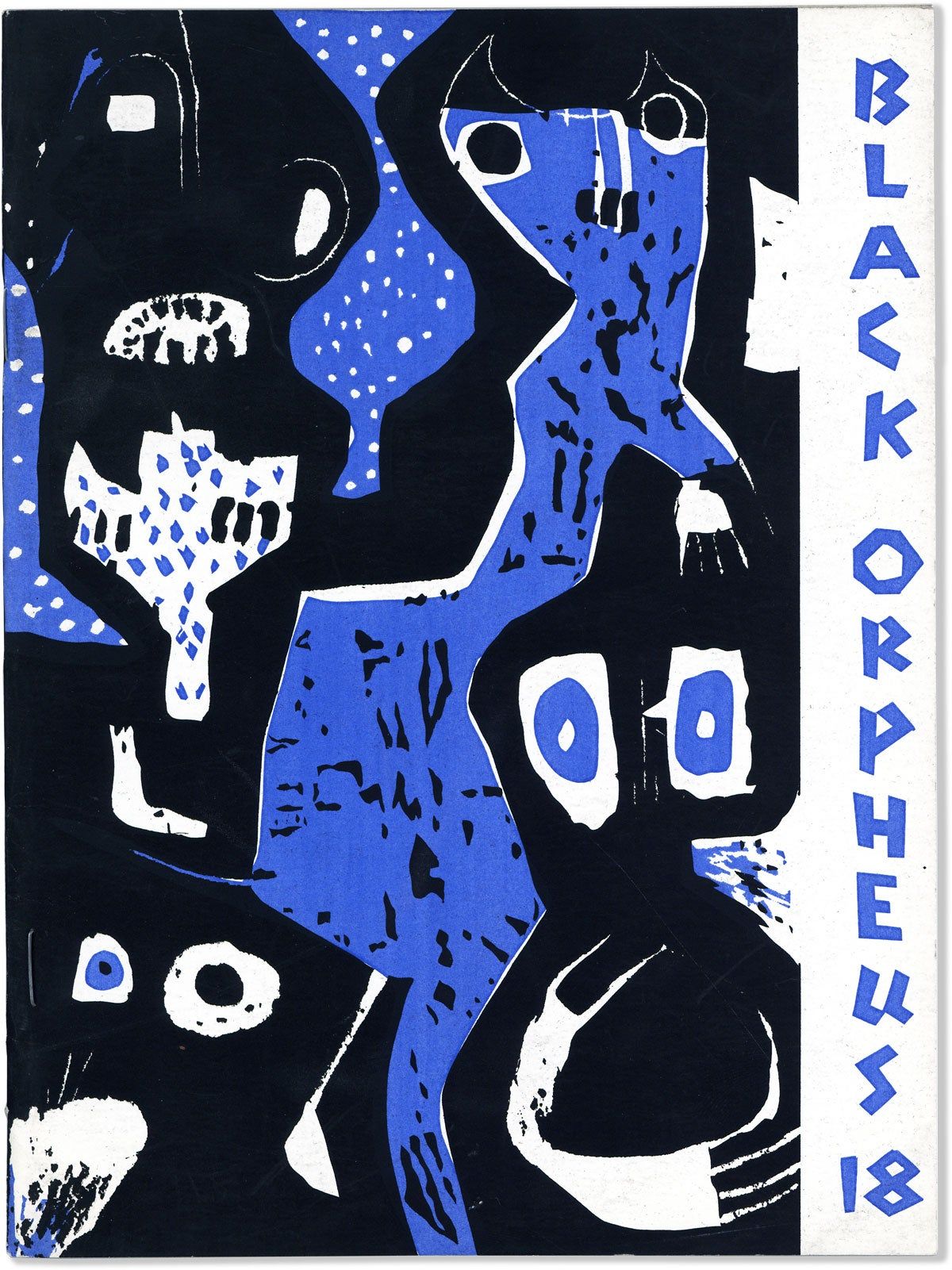
#18. October 1965. Includes "The Descendants" by Ousmane Soucé, Herbert Shore's "The Sea That Burst Out Roaring", and Pol Ndu's "Nativity Poems."
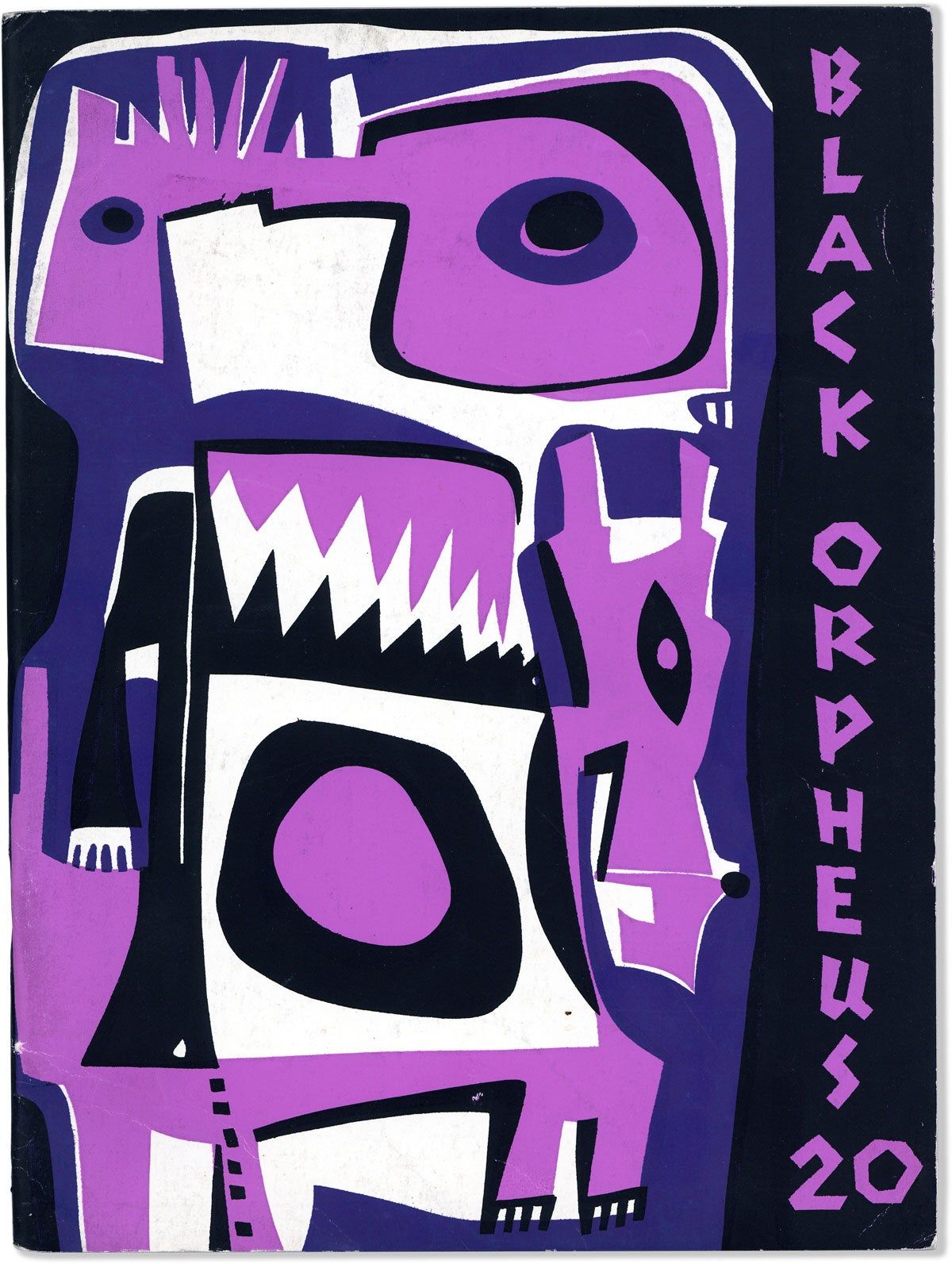
#20. August 1966. Includes "Six Poems" by Mbella Sonne Dipoko, "Awful Daring" by Bona Onyejeli, "Voices Out of The Skull" by Paul Theroux, and Ama Ata Aidoo's "Certain Winds From The South" etc.
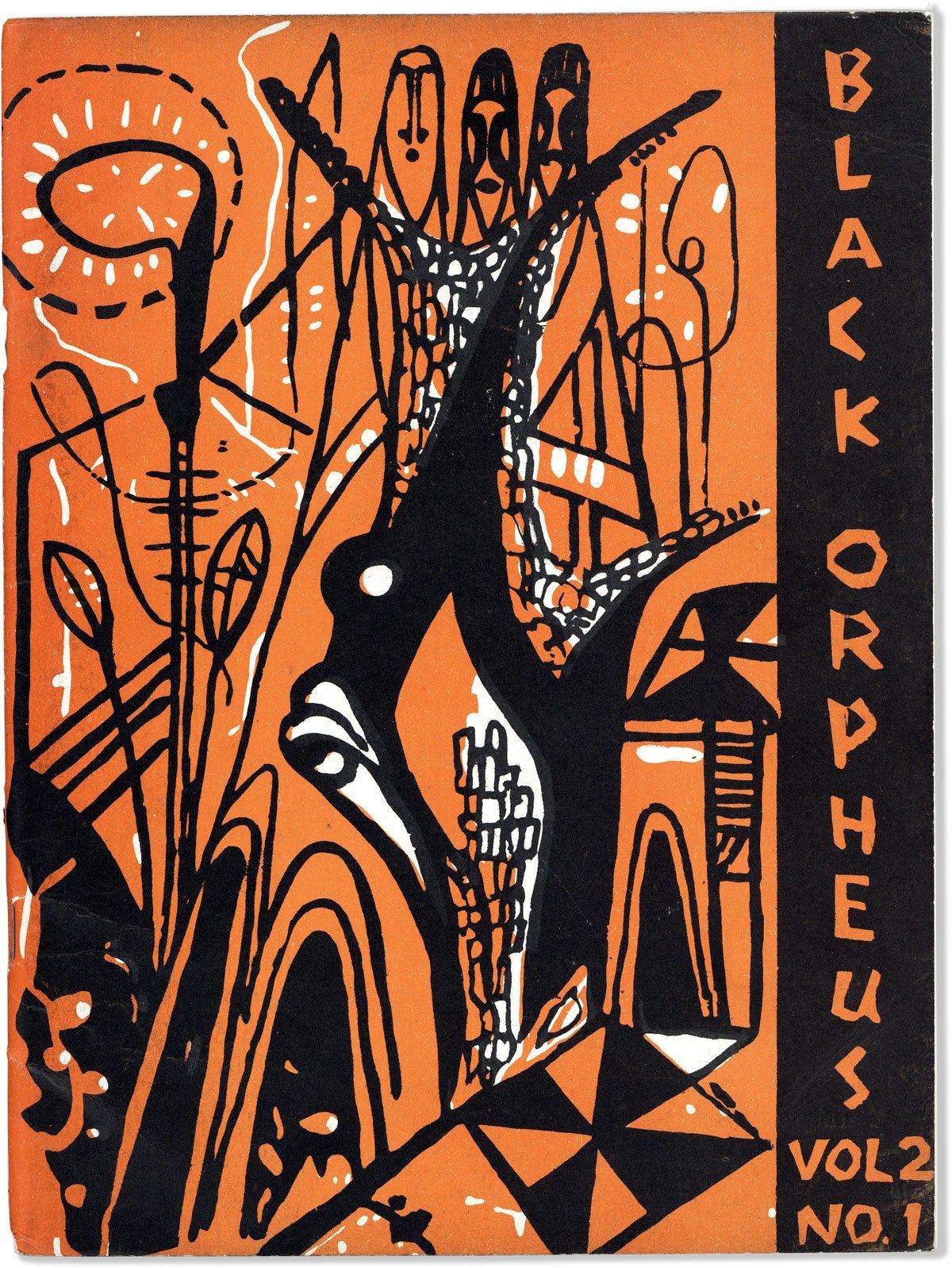
Vol 2 #1. February 1968. Includes a sequence entitled "Poems Prophesying War" containing contributions from Christopher Okigbo, Ken Tsaro-Wiwa, Aig Higo, and Bruce King. Akin Euba contributes "The Language of African Music", "The Legacy of Caliban" by J.P. Clark, and art from Lindsay Barrett.
A foundational magazine of postcolonial authors, most but not all from the African continent. printed in Ibadan, Nigeria, founded by an ex-pat German, taking its name from a Sartre essay, and described by the Encyclopedia of Africa as "a powerful catalyst for artistic awakening throughout West Africa." Established in 1957, and running with the occasional interruption until 1975. It numbered amongst its run of editors groundbreaking African poets, artists, and writers including Wole Soyinka, Abiola Irele, and Es'kia Mphalele. Most oddly of all it owed some of its initial funding to the Congress for Cultural Freedom, which made financial contributions to get the magazine on an even keel, but later turned out to have been a front organization for the CIA.
The numerous contributors of art, poetry and criticism are essentially a checklist of wildly important and influential African writers and artists including Chinua Achebe, Ibrahim el-Salahi, Aimé Césaire, Cyprian Ekwensi, Amos Tutuola, and Birago Diop (the Senegalese father of the African folklore revival) among a host of others struggling to complete the vision of earlier work by people like Alain Locke striving to establish African artistic endeavor on a level footing with Western arts with a tradition, schools, and masters all of its own.
Issues present in the collection:
#3: May 1958. Includes "Akan Poetry" by Kwabena Nketia, "Afro-Cuban Poems" by Nicholas Guillen, Emilio Ballagas, Luis Pales Mtos et al., and "Camara Laye's Symbolism" by J.A. Ramsaran
#4; October 1958. Includes "Migrants with Manuscripts" by Randolph Rawlins, "Seven Poems" by Paul Vesey, and "Shango Shrine" by Ulli Bieir
#5. May 1959. Includes "Three Poems" by Wole Soyinka, "Roger Mais" by Sangodare Akanji, "Five Poems" by Langston Hughes etc.
#6. November 1959. Includes "The Immigrant" by E. Mphalele, "Bambara Nights" by Mallam Hamphate Ba, "Two Poems" by Gabriel Okara etc.
#7. June 1960. Includes "East Indians and West" by Gerald Moore, "Souza" by Omidiji Aragbabalu, "Anancy" by Andrew Salkey, and Cyprian Ekwensi's "Drums and Voices"
#8. No date given, but either late 1960, or early 1961. Includes Ado Faleti's "Independence", "Songs of Nmeka" by Margaret Olisa, "Slipper Satin" by Alex La Guma, and Gabriel Okara's "The Crooks", this issue also has six Georgina Betts linocuts spread throughout the magazine.
#9. June 1961. Includes Fiction from Ibrahim Tahir, Nkem Nwankwo, Marthe Araud etc., L.S. Senghor's "Songs for Naett". Ezekiel Mphalele on Langston Hughes, and "Gimme Dat Ole Black Magic" by Wolfgang Vogel.
#10. No Date Stated, but late 1961/early 1962. Includes "Okolo" by Gabriel Okara, "Mamelles" by Birago Diop, a section on "New Nigerian Poetry" showcasing Frank Aig Imokhuede, Wole Soyinka, etc. and "Luo Songs" by Henry Owuor
#13. November 1963. Includes "6 Poems" by John Pepper Clark, "Tangled Web" by Christina Attarah, and "Madness" by Felix Tchikaya U'Tamsi. With cover art by Susanne Wenger
#14. February 1964. Includes "The Captive" by Ibrahim Tabir, "Tattoo Marks and Nails" by Alex La Guma, and "Five Poems" by Margareta Olisa, and a critical piece by Ulli Beier entitled "Public Opinion on Lovers" among other pieces. The illustrations for this issue, beyond the work of Susanne Wenger, are "rubber cuts" made from salvaged tires etc. in the absence of other materials, and used in the creation of vast quantities of "Onitsha" market literature, produced and sold cheaply across a wealth of subjects and fields from fiction to engineering, and advice on one's love life
#15. August 1964. Includes "I Heard a Bird Cry" by George Awoonor Williams, "Three Poems" by Agostinho Neto, the dramatic production "Oba Koso" by Duro Ladipo, Alex La Guma's "Blankets", and Sheikh Amidou Khane's "Ambiguous Adventure" among a larger number of contributions than usual, presumably a side effect of the larger than usual gap between issues in 1964
#16. October 1964. Includes a contribution from Paul Theroux entitled "Four Poems", Glory Okugbule Nwanodi's "The Worshipper", "A Stop in The Night" a piece of fiction by J.P. Clark, the article "Africa in West Indian Literature" by Oscar Dathorne, and Albert Cossary's "The Girl and The Hashish Smoker."
#18. October 1965. Includes "The Descendants" by Ousmane Soucé, Herbert Shore's "The Sea That Burst Out Roaring", and Pol Ndu's "Nativity Poems."
#20. August 1966. Includes "Six Poems" by Mbella Sonne Dipoko, "Awful Daring" by Bona Onyejeli, "Voices Out of The Skull" by Paul Theroux, and Ama Ata Aidoo's "Certain Winds From The South" etc.
Vol 2 #1. February 1968. Includes a sequence entitled "Poems Prophesying War" containing contributions from Christopher Okigbo, Ken Tsaro-Wiwa, Aig Higo, and Bruce King. Akin Euba contributes "The Language of African Music", "The Legacy of Caliban" by J.P. Clark, and art from Lindsay Barrett.