

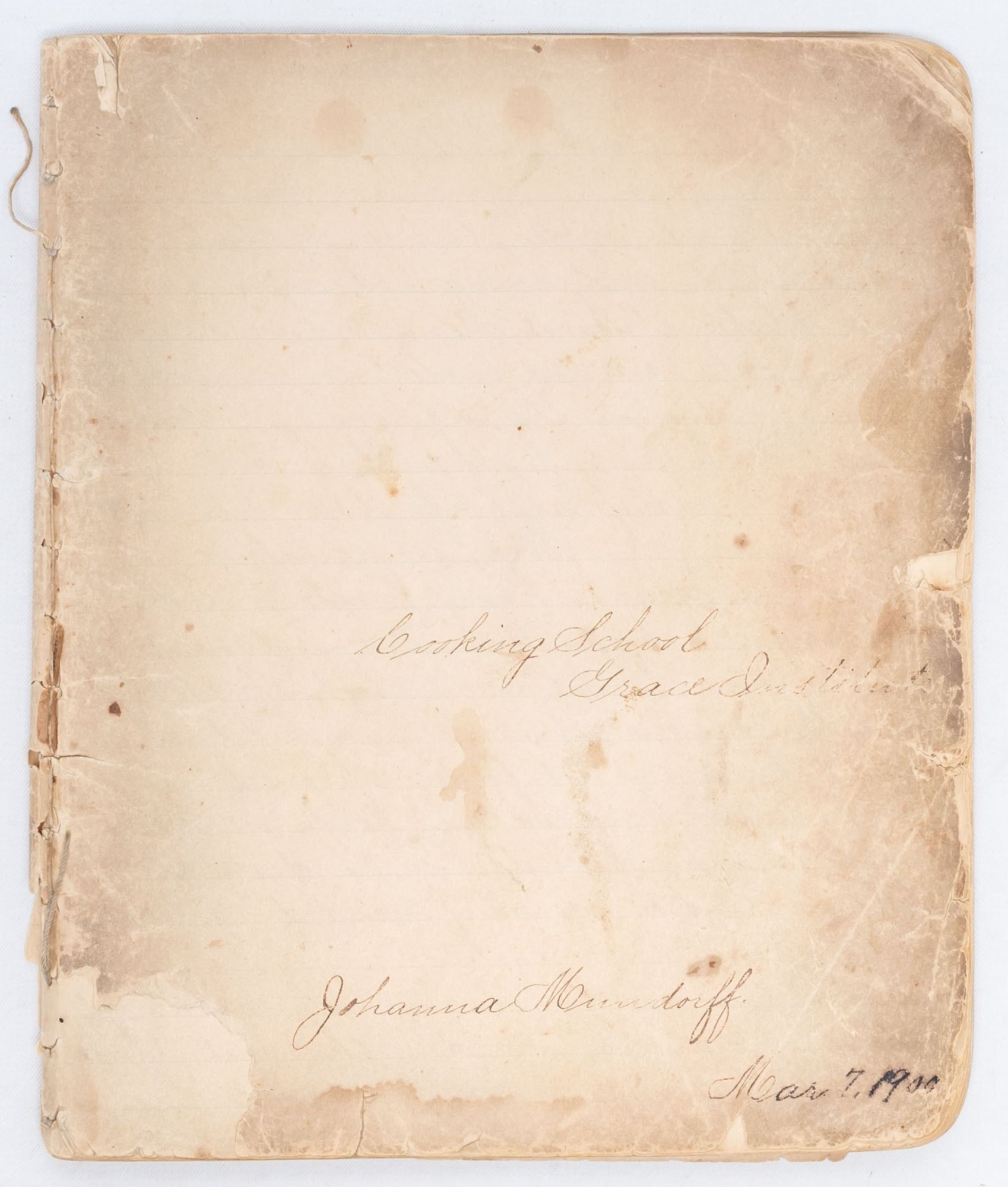
Cooking School, Grace Institute
- New York: Grace Institute, 1900
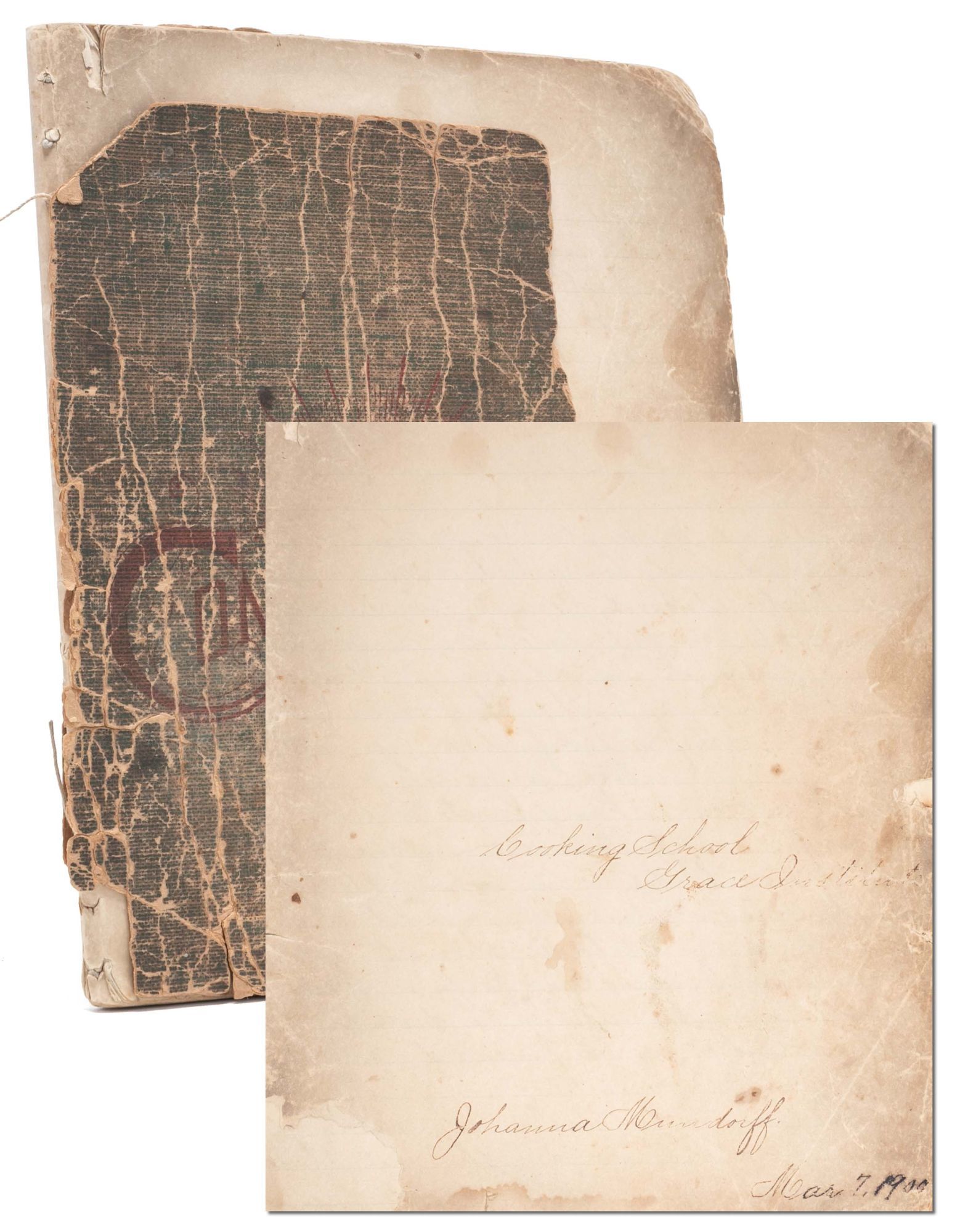
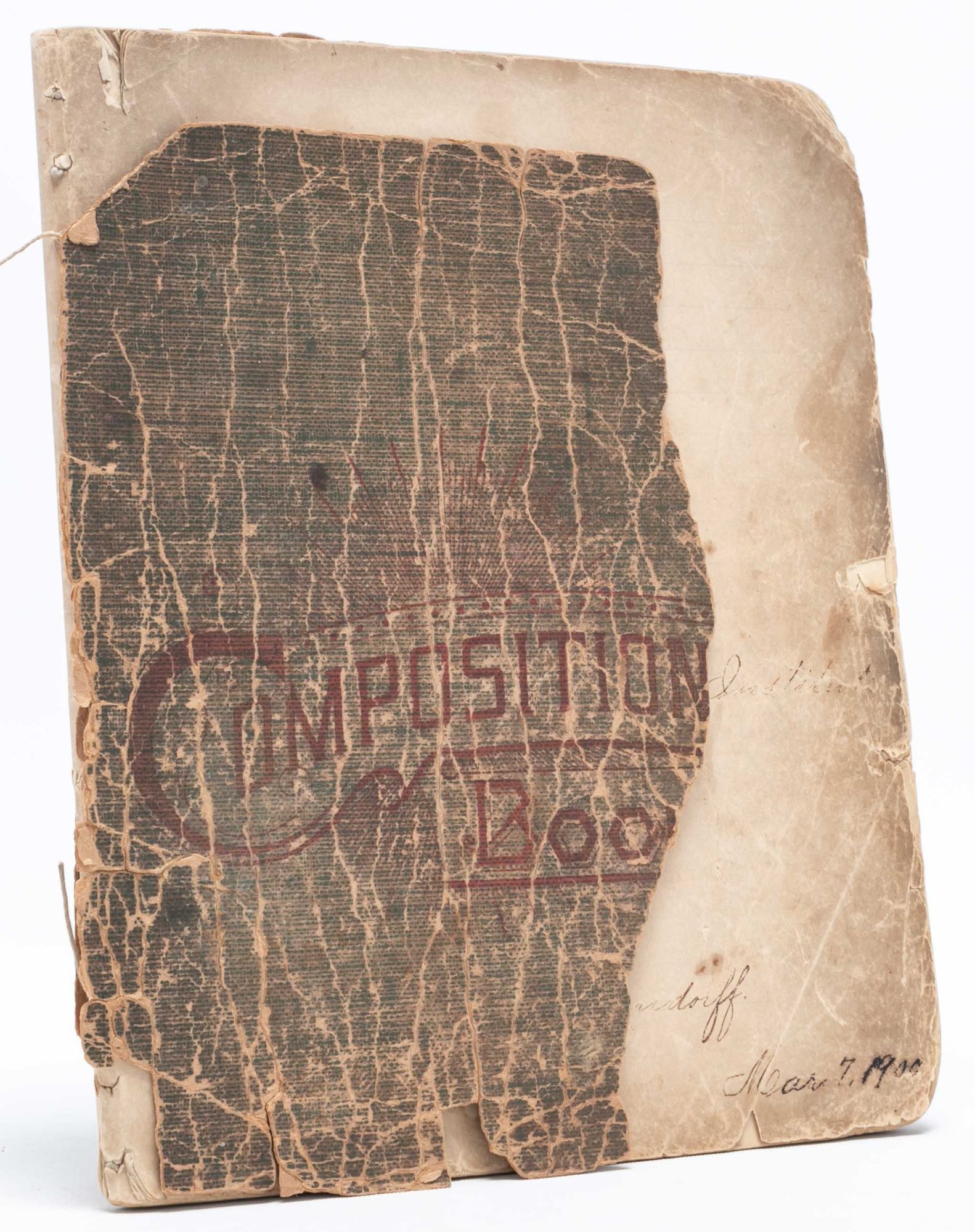
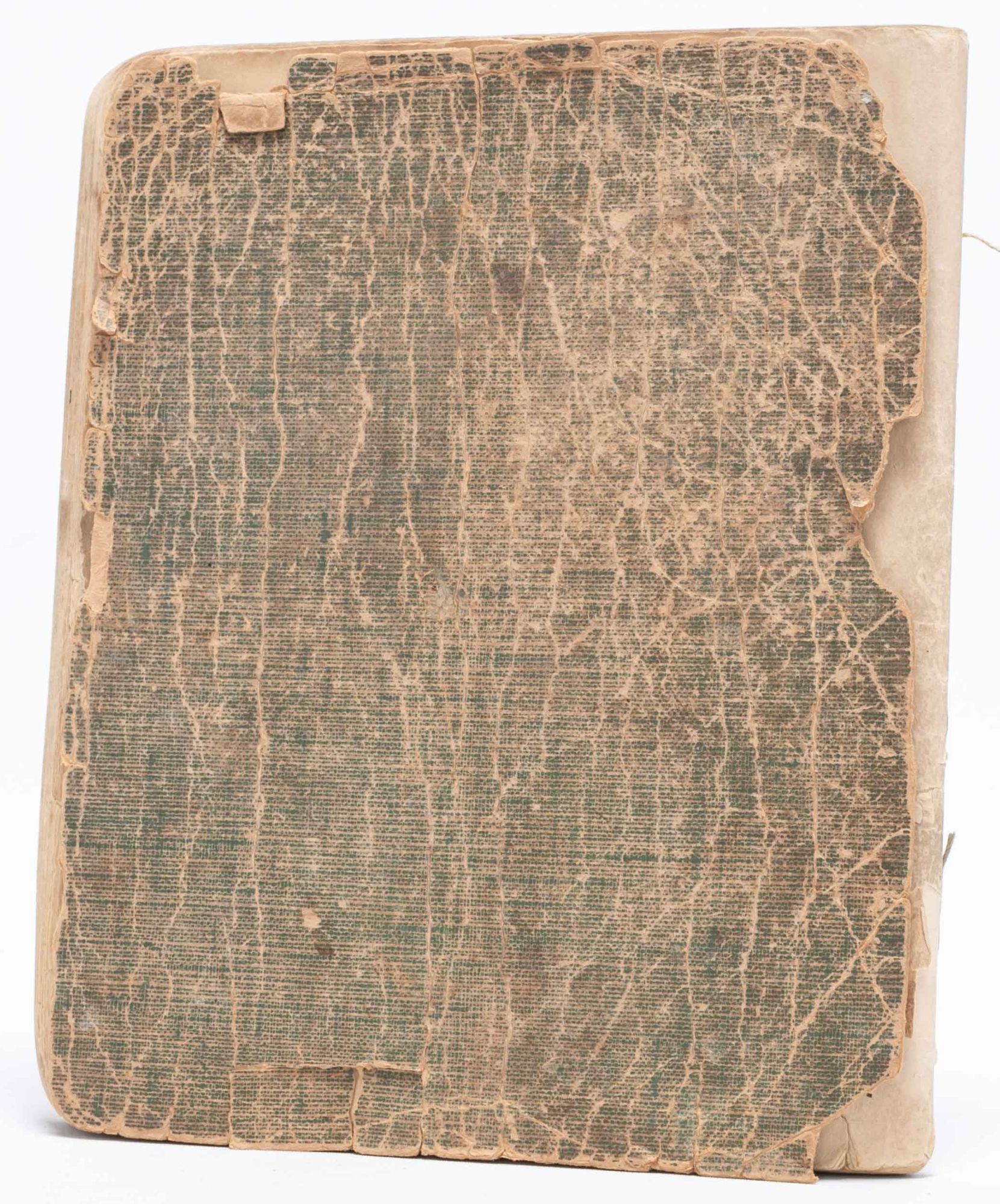
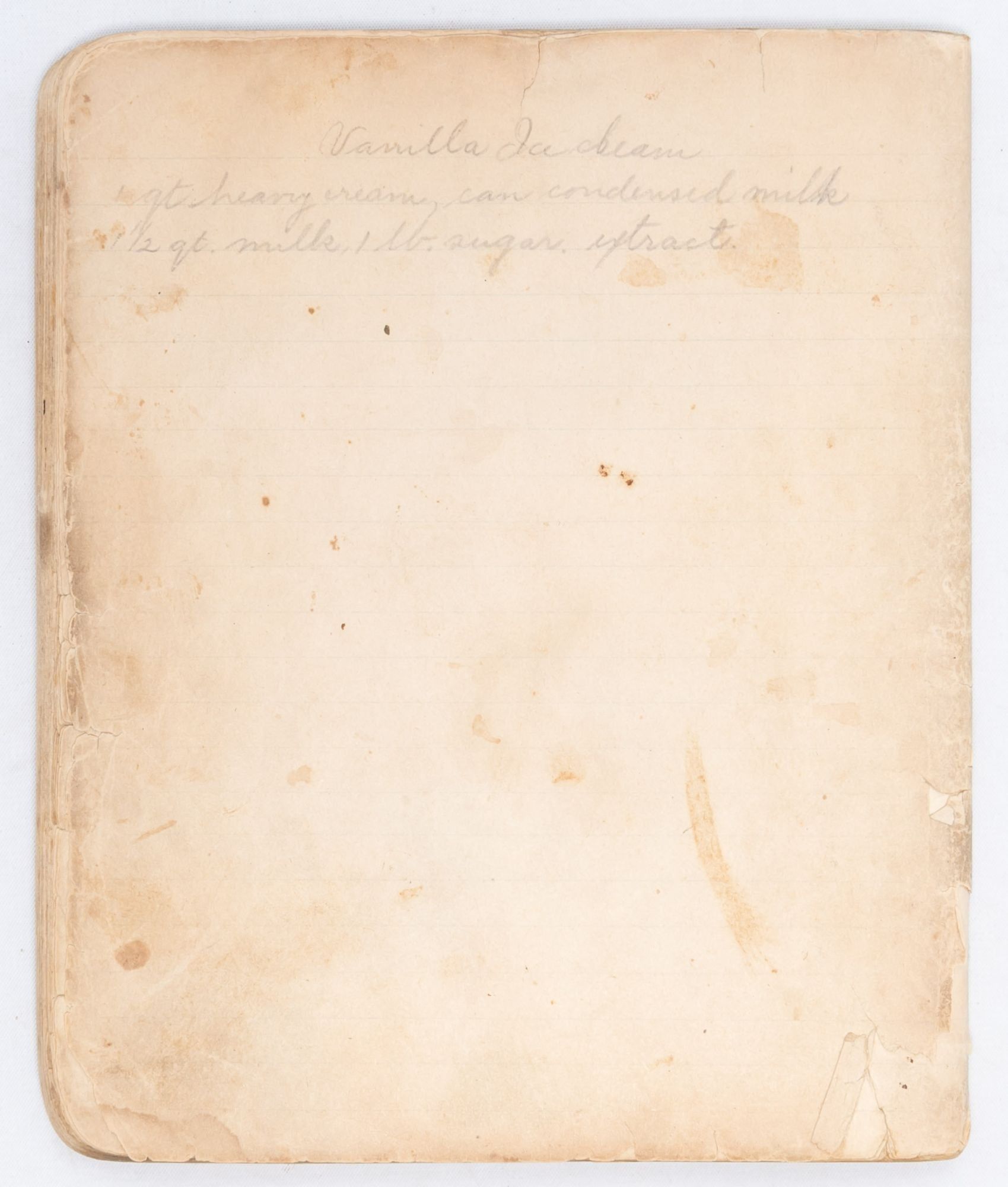
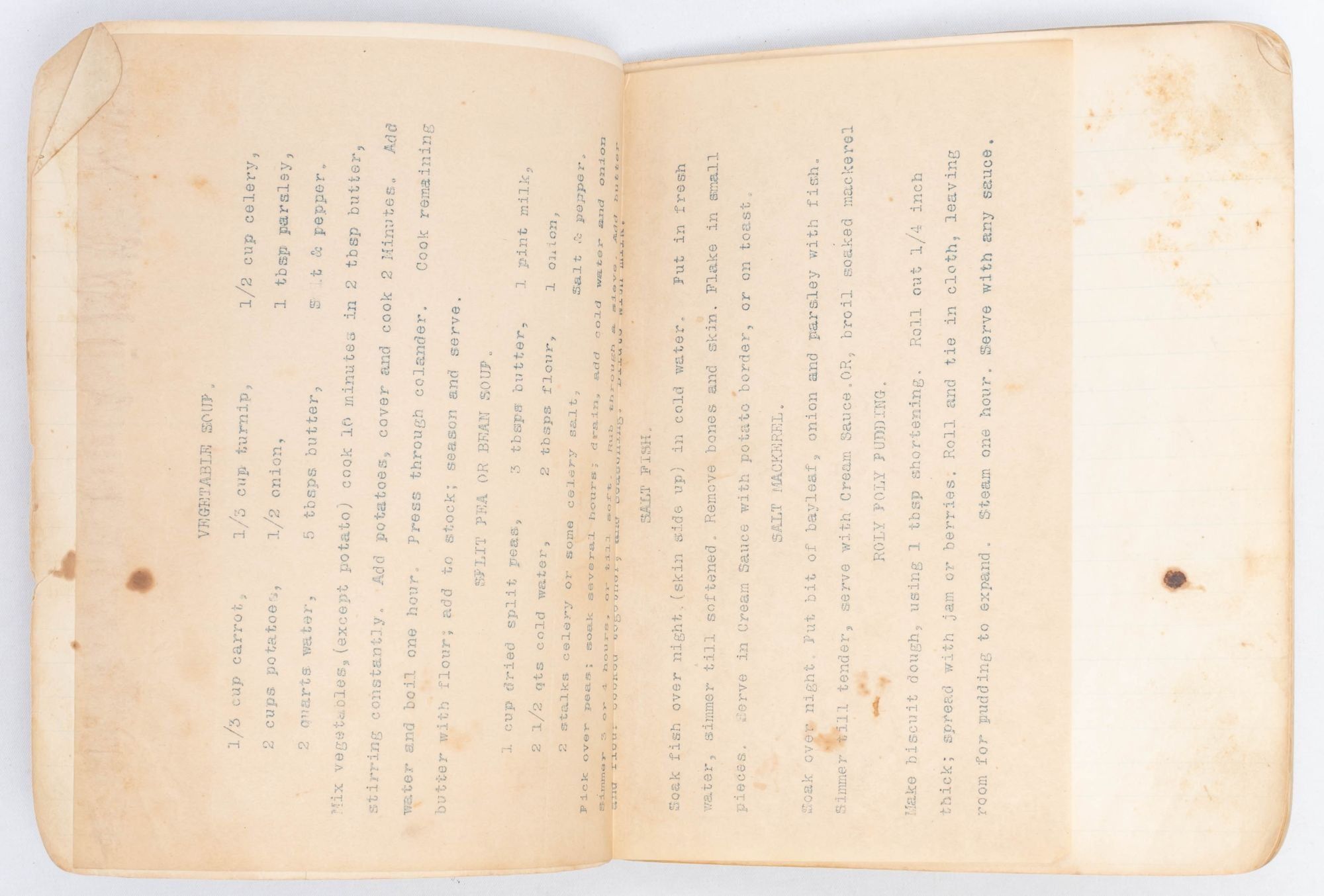
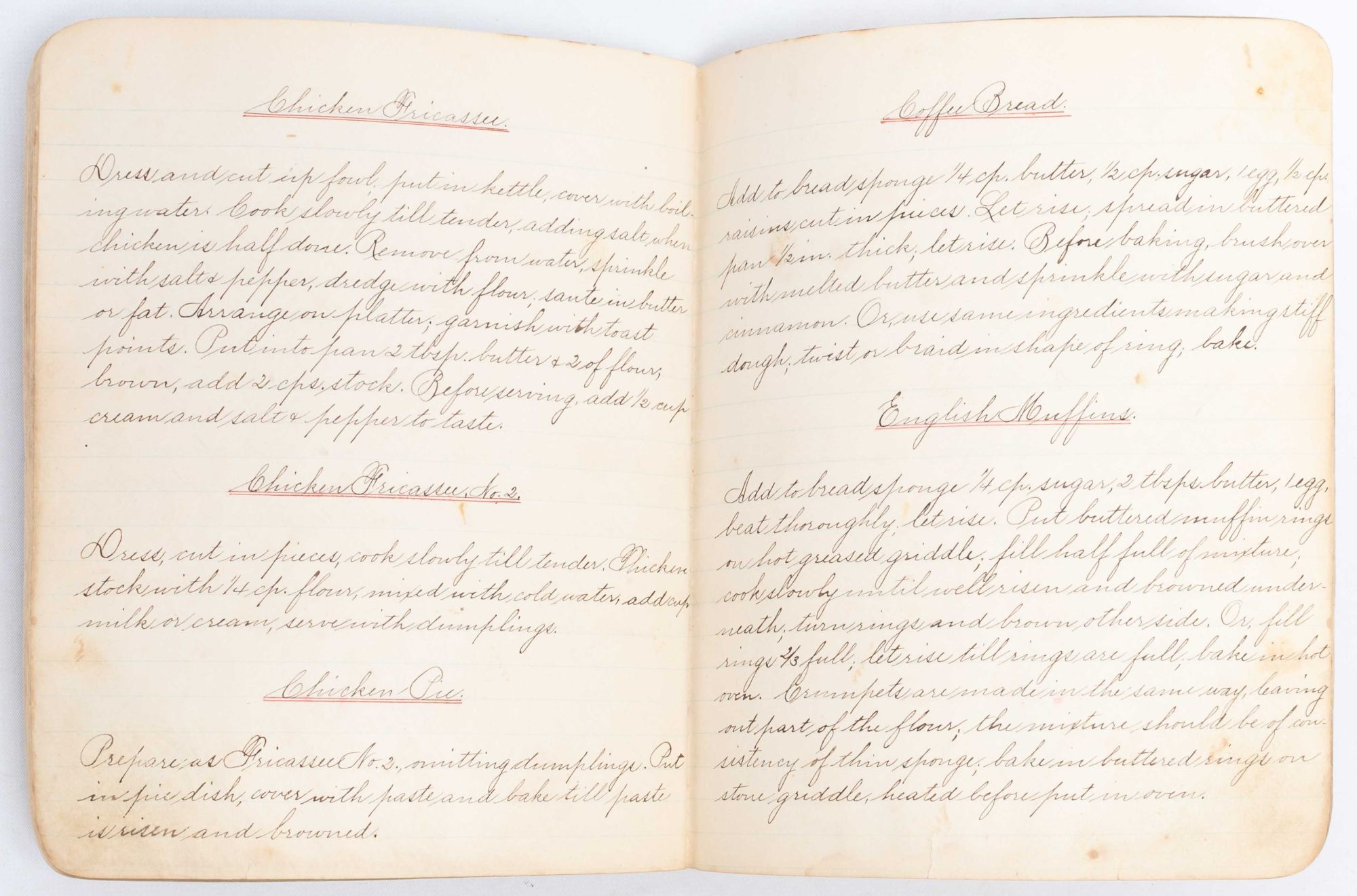
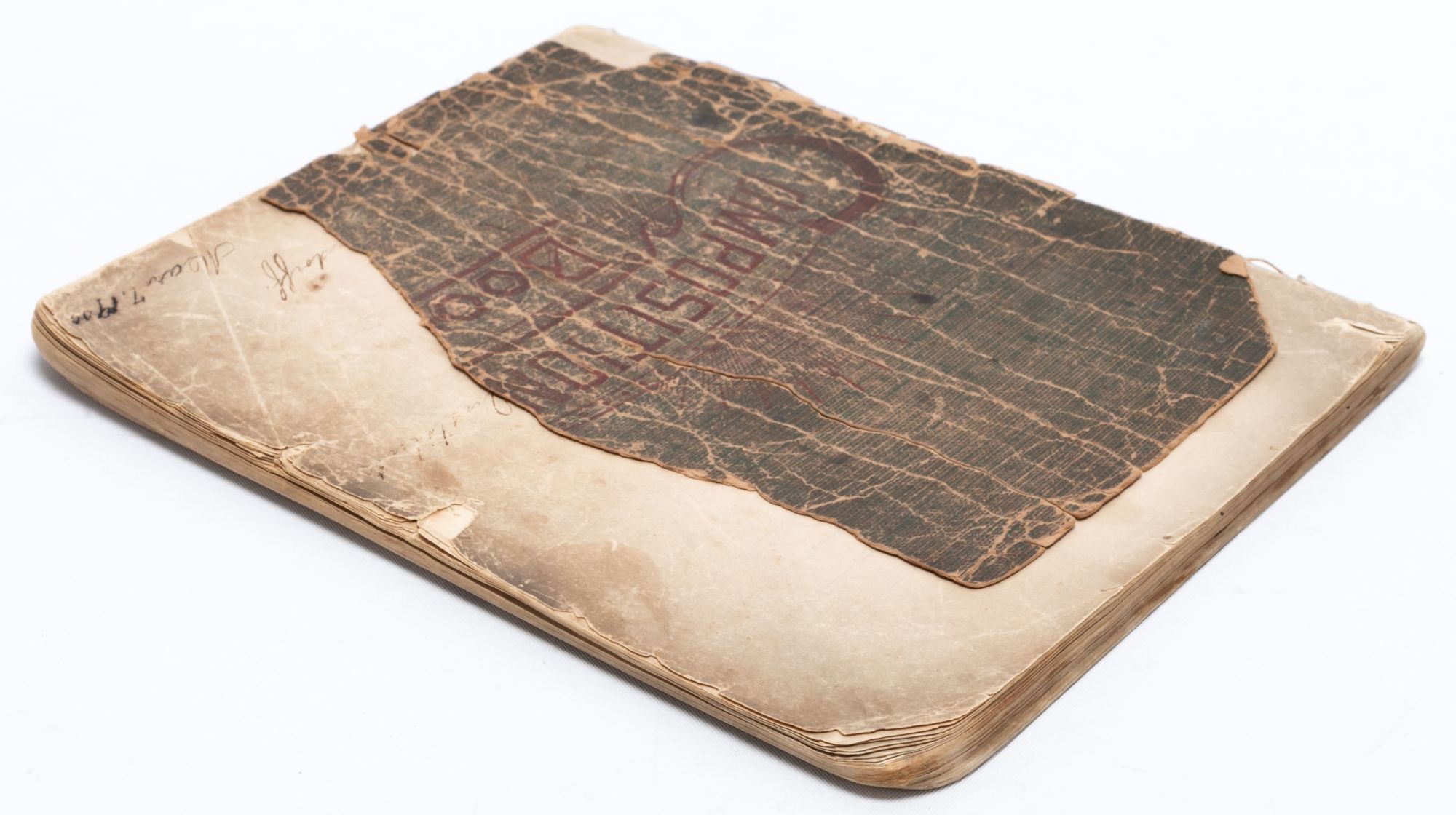
New York: Grace Institute, 1900. First edition. Good. Manuscript journal.170 x 205 mm. [107] pp., neatly and clearly written in ink (plus four pages in pencil), with three mimeographed recipes pasted in. With the name Johanna Mundorff and the date "Mar 7, 1900" in ink to title-page. Flexible waxed cloth over paper wrappers, detached, with front wrapper partially perished. Some dustsoiling, mostly to first and last few leaves, and some foxing. Still a Good copy of a unique, thorough cookbook documenting the history of a school for immigrant women in New York City.
This cookbook seems to have been the product of a cooking course at the Grace Institute: the mimeographed recipes are titled as "lessons," and the cookbook includes instructions for various cooking skills (how to clarify fat, canning and preserving, sanitary dishwashing techniques, etc.) as well as the numerous recipes for individual dishes. Most of the dishes are standard fare for American cookbooks (sponge cake, potato salad, apple pie, pot roast) but there are also a few interesting recipes, like the Central/East Asian dairy product kumis (written here as "koumiss"), that indicate the influence of immigrant communities on American cuisine. Other regional recipes, like chow-chow (a common condiment in Southern cuisine) and Boston brown bread, also make an appearance.
The Grace Institute was co-founded in 1897 by William R. Grace (1832-1904), an Irish immigrant and the first Catholic mayor of New York City (1885-1886); Grace Hoadley Dodge (1856-1914), the first woman appointed to the New York Board of Education (now the New York City Department of Education); and Grace's wife Lillius Gilchrist Grace (1839–1922) and his brother Michael (1842-1920). Dodge had plenty of experience supporting working class women in New York: in 1880, she and a group of other young women founded the Kitchen Garden Association, which provided job training to thousands of poor young people; the association later evolved into the Industrial Education Association and eventually became the Teachers College at Columbia University (with Dodge serving as a trustee of the college and its first treasurer). Dodge's experience in philanthropy combined with Grace's connection to the Irish immigrant community to form the Grace Institute, a nonsectarian, tuition-free school founded to train immigrant women in skills that would help them in the workforce: cooking, sewing, stenography, and other vocational skills, as well as English as a second language. In the 1970s, the Grace Institute opened a branch in the Bronx to serve Black and Puerto Rican women. As of 2015, the institute still operates on Rector Street in Lower Manhattan.
We could not locate much information on Johanna Mundorff (1879-1974), who was born in New Jersey to a German immigrant father. Good.
This cookbook seems to have been the product of a cooking course at the Grace Institute: the mimeographed recipes are titled as "lessons," and the cookbook includes instructions for various cooking skills (how to clarify fat, canning and preserving, sanitary dishwashing techniques, etc.) as well as the numerous recipes for individual dishes. Most of the dishes are standard fare for American cookbooks (sponge cake, potato salad, apple pie, pot roast) but there are also a few interesting recipes, like the Central/East Asian dairy product kumis (written here as "koumiss"), that indicate the influence of immigrant communities on American cuisine. Other regional recipes, like chow-chow (a common condiment in Southern cuisine) and Boston brown bread, also make an appearance.
The Grace Institute was co-founded in 1897 by William R. Grace (1832-1904), an Irish immigrant and the first Catholic mayor of New York City (1885-1886); Grace Hoadley Dodge (1856-1914), the first woman appointed to the New York Board of Education (now the New York City Department of Education); and Grace's wife Lillius Gilchrist Grace (1839–1922) and his brother Michael (1842-1920). Dodge had plenty of experience supporting working class women in New York: in 1880, she and a group of other young women founded the Kitchen Garden Association, which provided job training to thousands of poor young people; the association later evolved into the Industrial Education Association and eventually became the Teachers College at Columbia University (with Dodge serving as a trustee of the college and its first treasurer). Dodge's experience in philanthropy combined with Grace's connection to the Irish immigrant community to form the Grace Institute, a nonsectarian, tuition-free school founded to train immigrant women in skills that would help them in the workforce: cooking, sewing, stenography, and other vocational skills, as well as English as a second language. In the 1970s, the Grace Institute opened a branch in the Bronx to serve Black and Puerto Rican women. As of 2015, the institute still operates on Rector Street in Lower Manhattan.
We could not locate much information on Johanna Mundorff (1879-1974), who was born in New Jersey to a German immigrant father. Good.