

Photographic Archive of an African-American State Employee in Ohio, Spanning Over Seventy Years, With Much From the Civil Rights Era
- Approximately 426 pieces: 414 photographs and twelve pieces of printed ephemera. Of the photographs, seventy-seven are 8 x 10 in
- Ohio , 2008
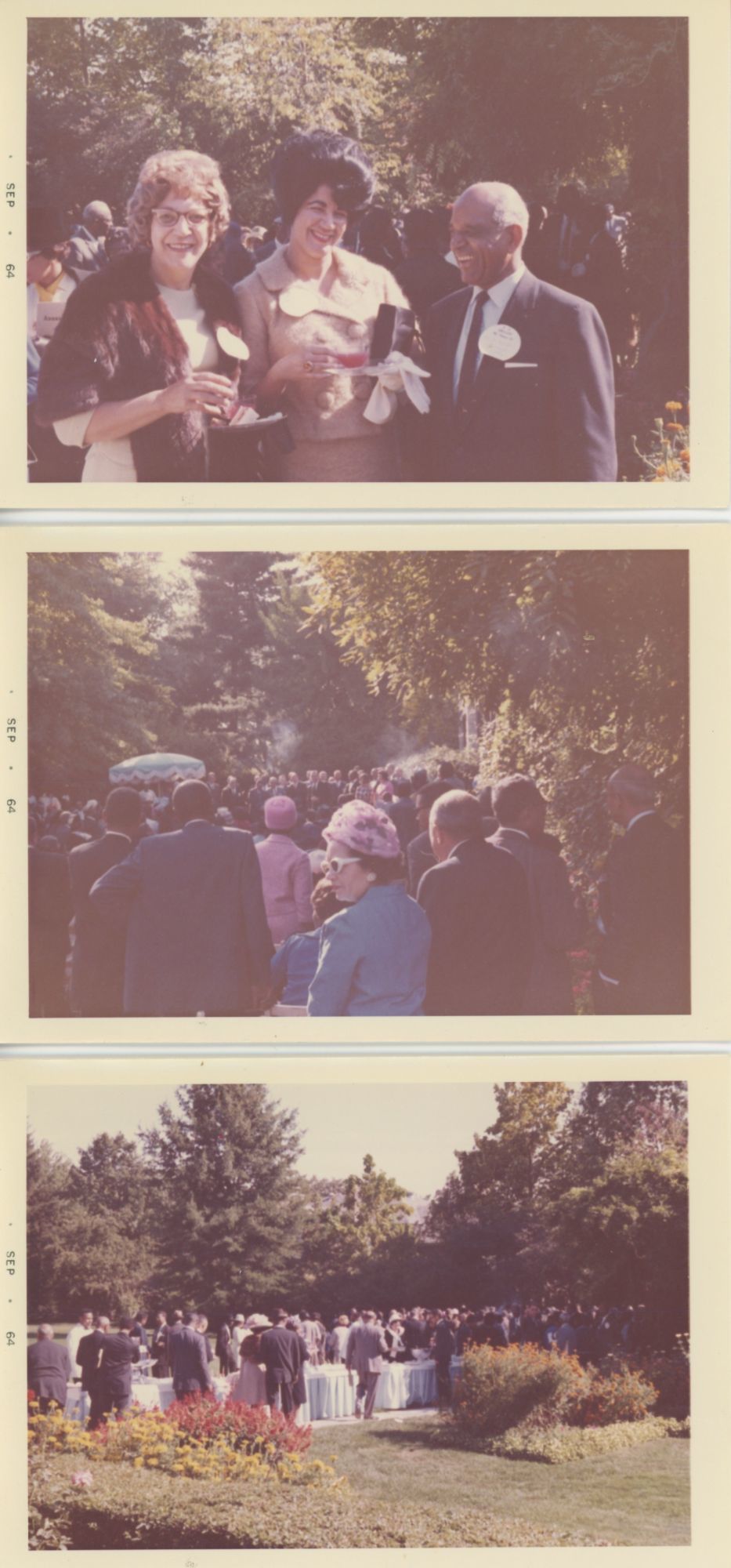
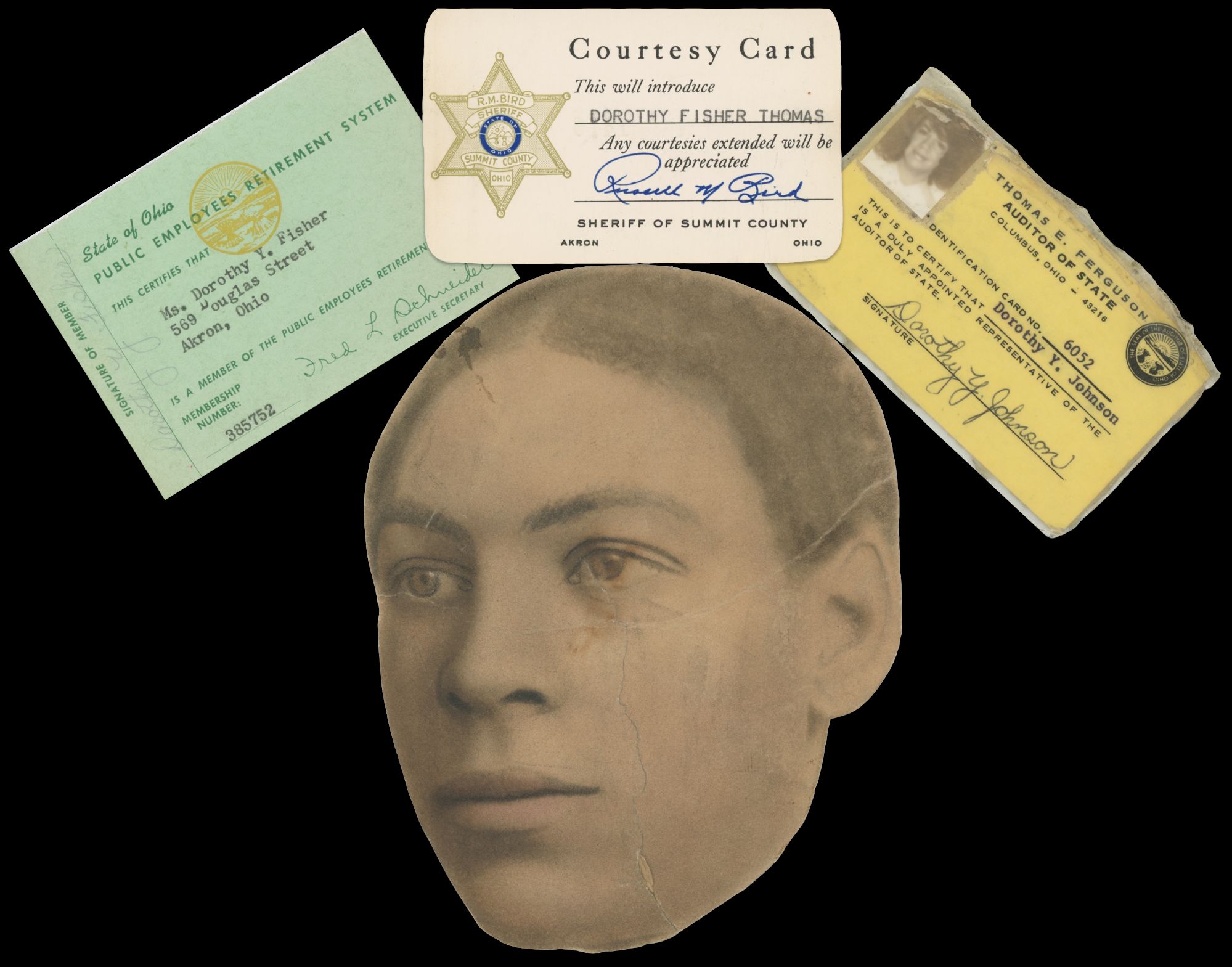
Ohio, 2008. Approximately 426 pieces: 414 photographs and twelve pieces of printed ephemera. Of the photographs, seventy-seven are 8 x 10 inches and smaller; forty-seven 5 x 10 inches and smaller; ninety-nine 4 x 6 inches and smaller; forty-nine 3.5 x 6 inches and smaller; 112 3.5 x 4.5 inches and smaller, and thirty 2.5 x 4.5 inches and smaller. Fifty-six photographs are dated, between 1935 and 1999; eighteen of these (nearly one-third) date to 1964. Overall near fine. Dorothy Yvette Johnson (c. 1932–deceased), née Fisher, was a lifelong Ohio resident and an employee of Ohio’s state government. She worked as a deputy to Clerk of Courts Frank Yacobucci and in the office of the Auditor of State under Roger Cloud and Thomas E. Ferguson. She was possibly involved with the Ohio GOP—a copy of the Ohio Republican Council newsletter is included in the archive—and with the Akron branch of the NAACP. Johnson was married twice: to Theodore Wilbert Thomas in 1957 and to James Horace Johnson in 1963. Records on Johnson’s life are otherwise sparse.
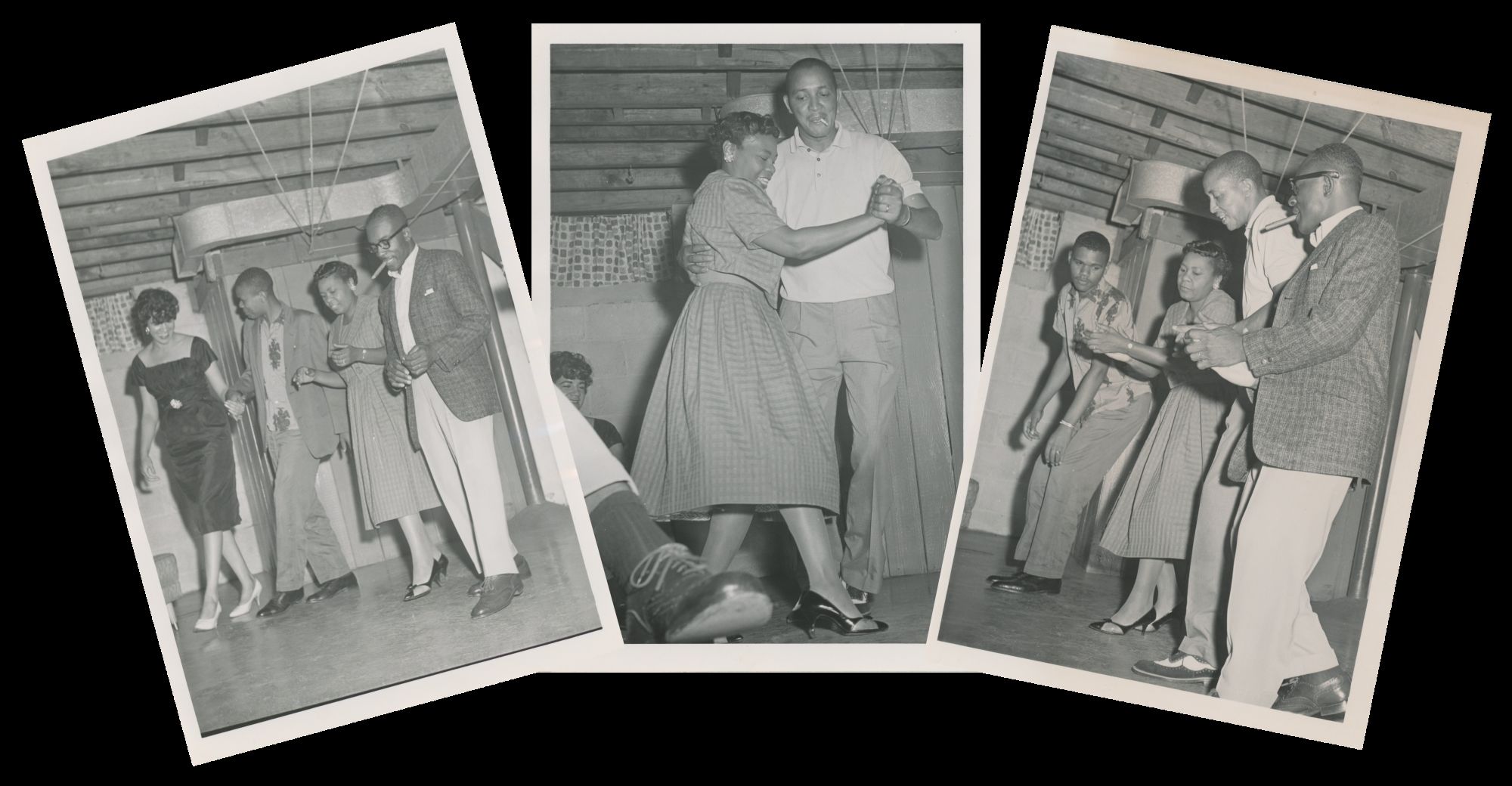
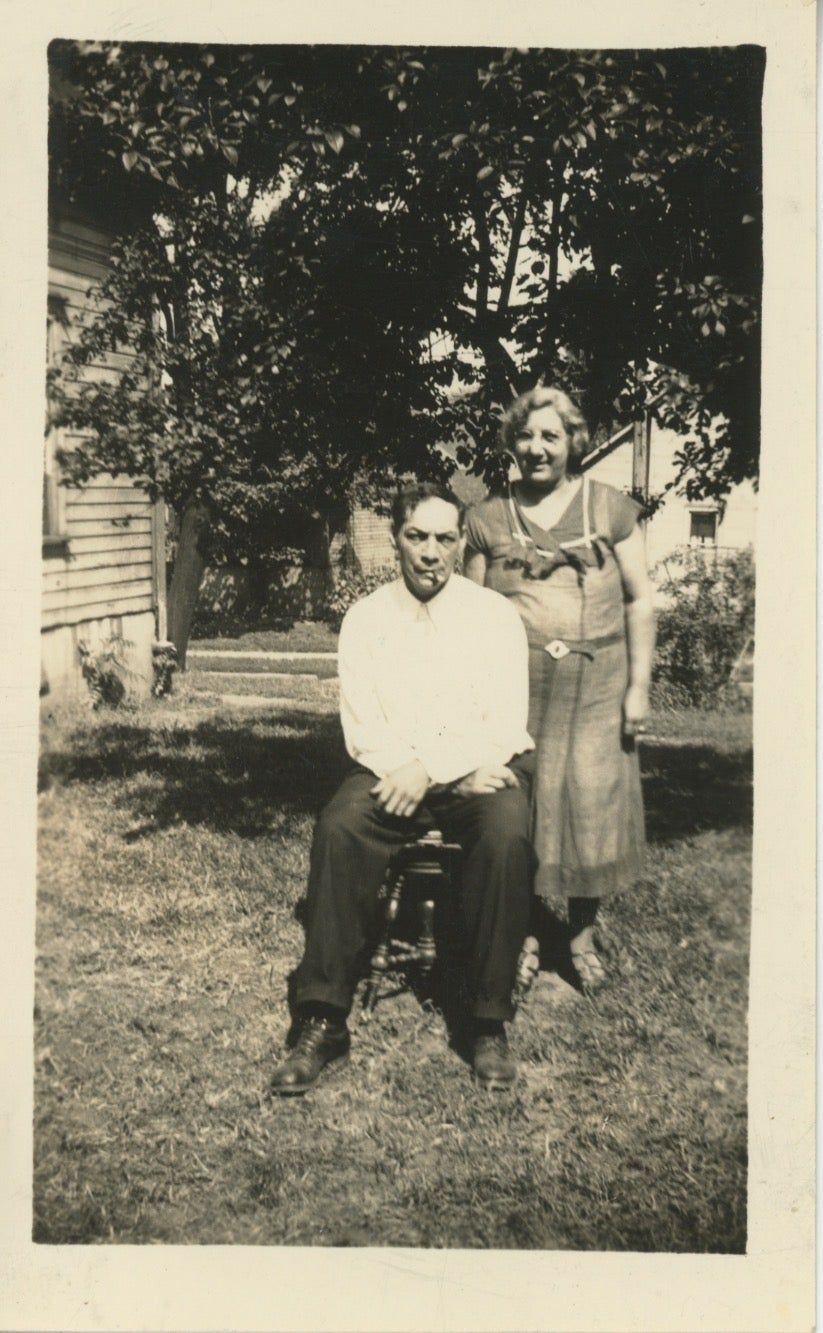
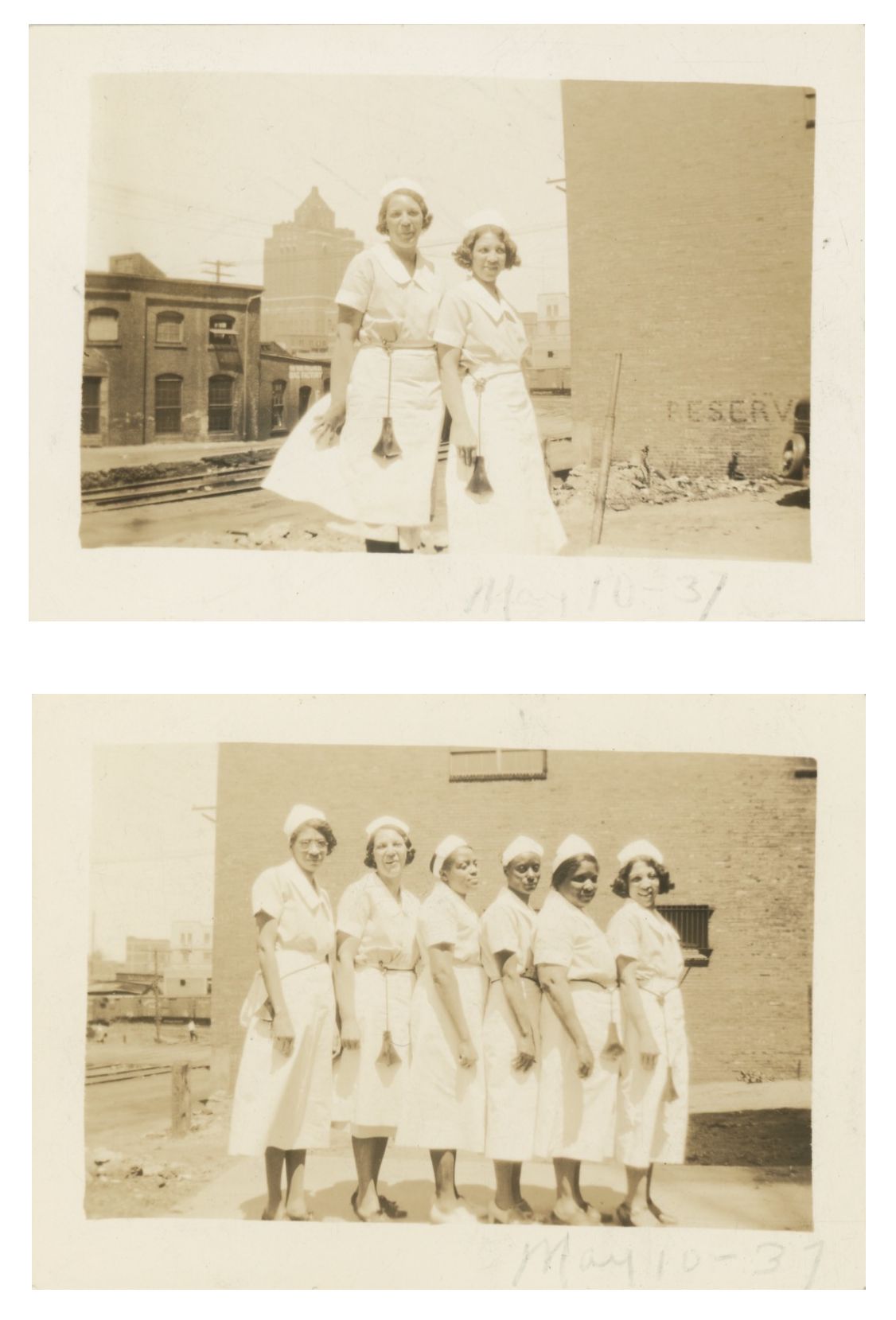
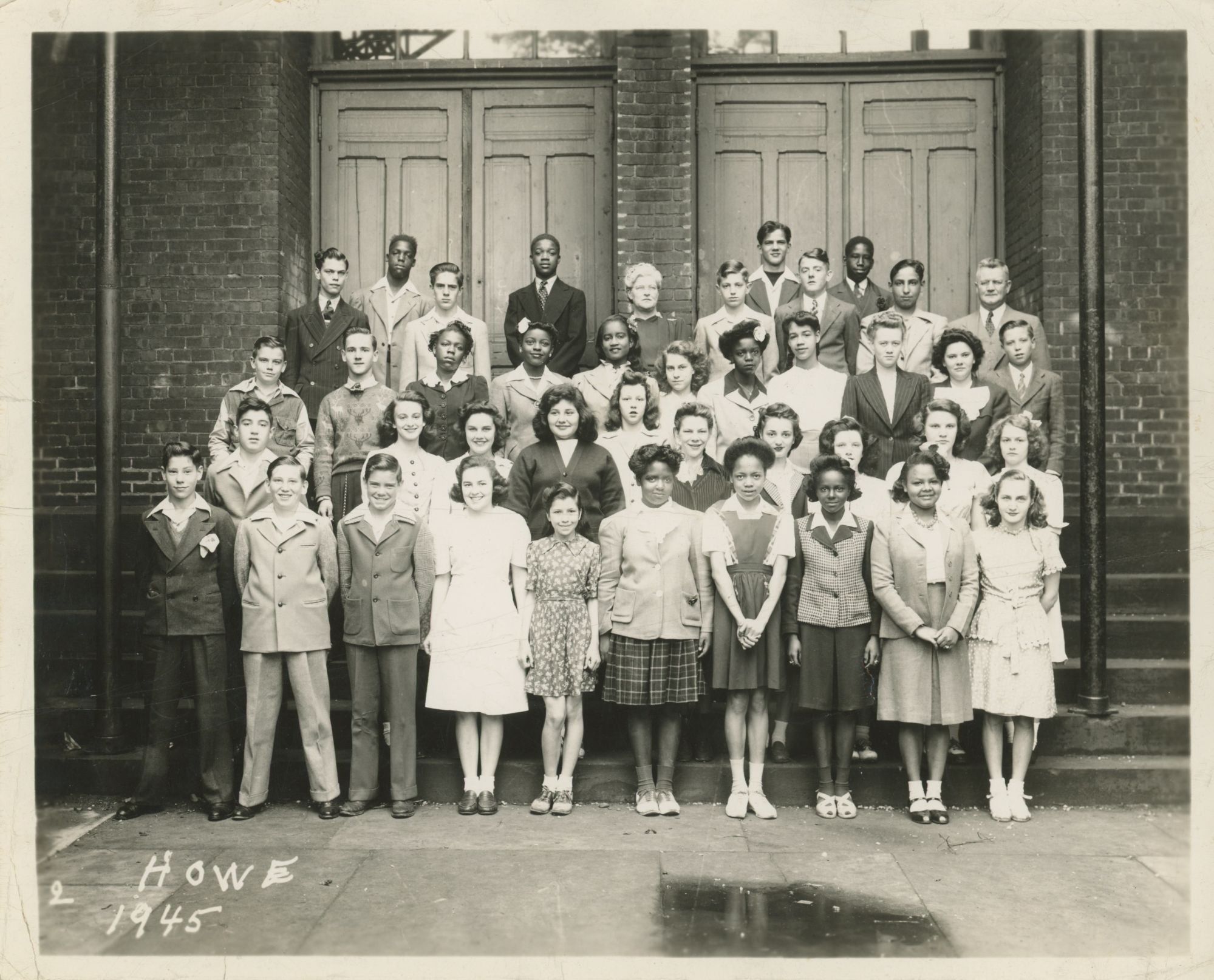
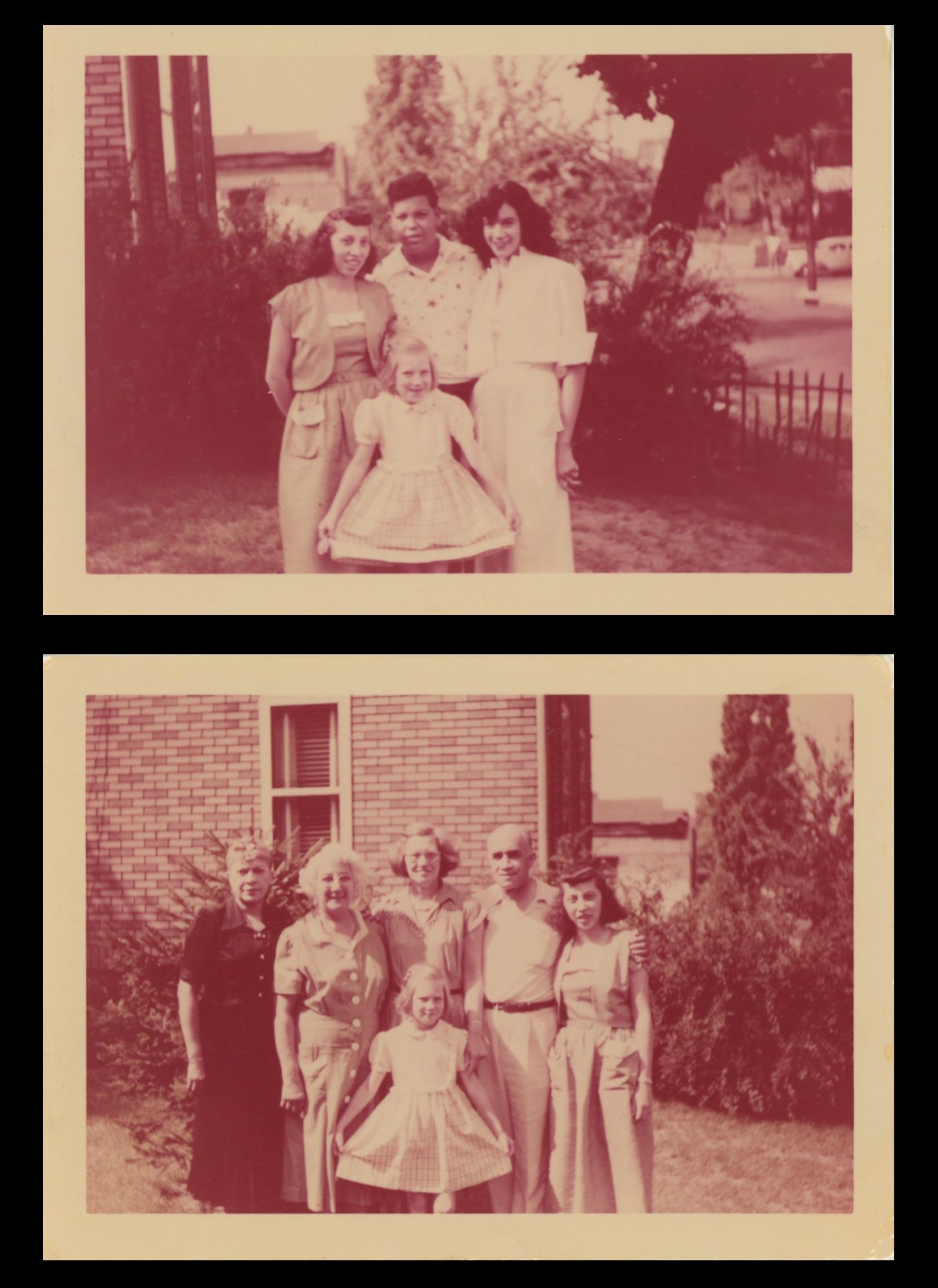
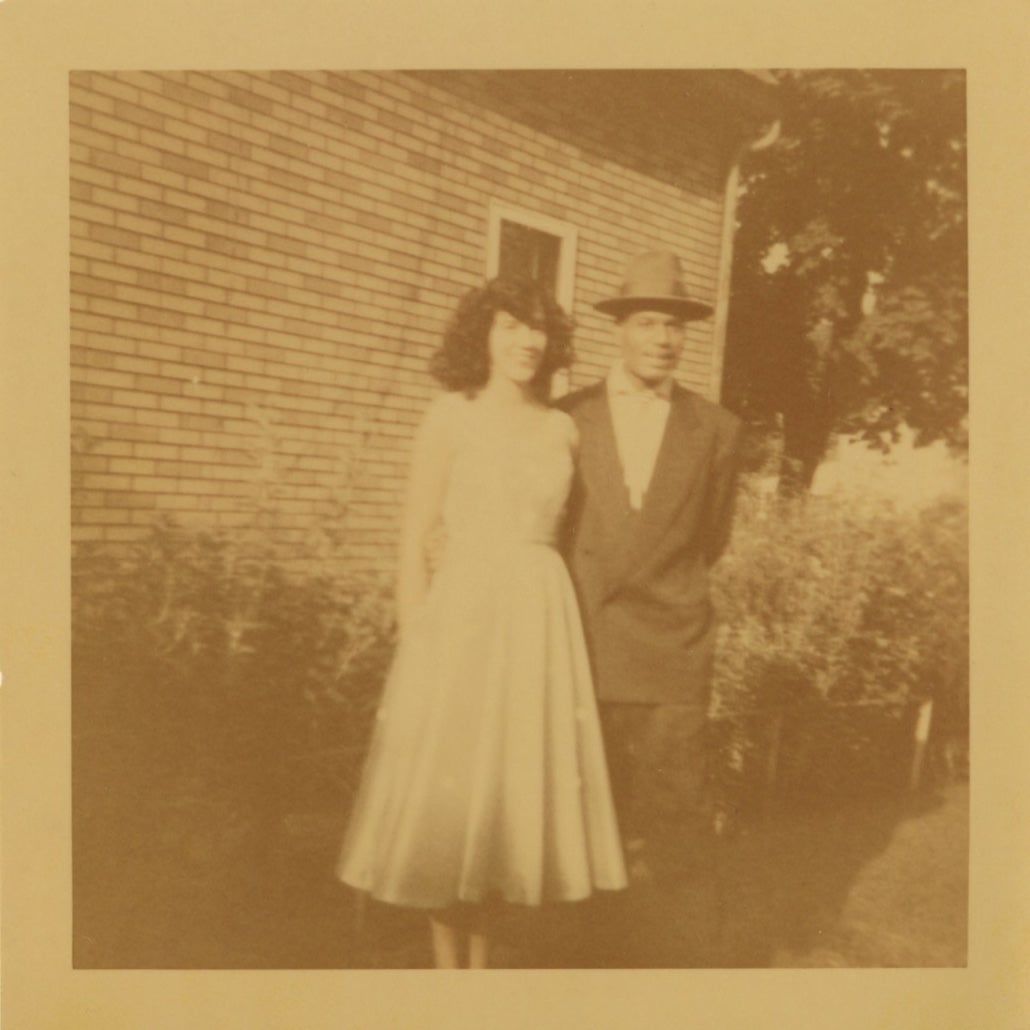
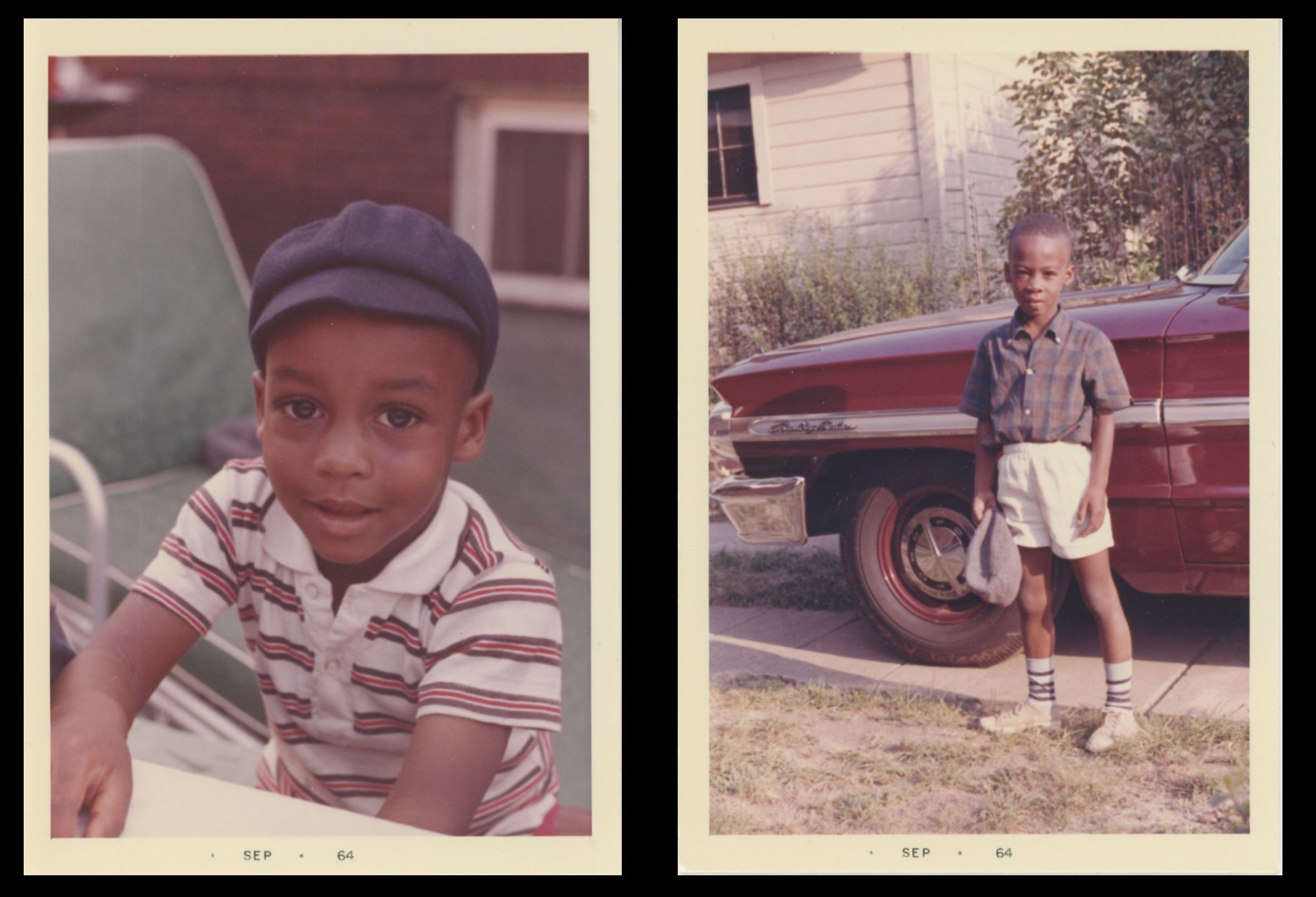
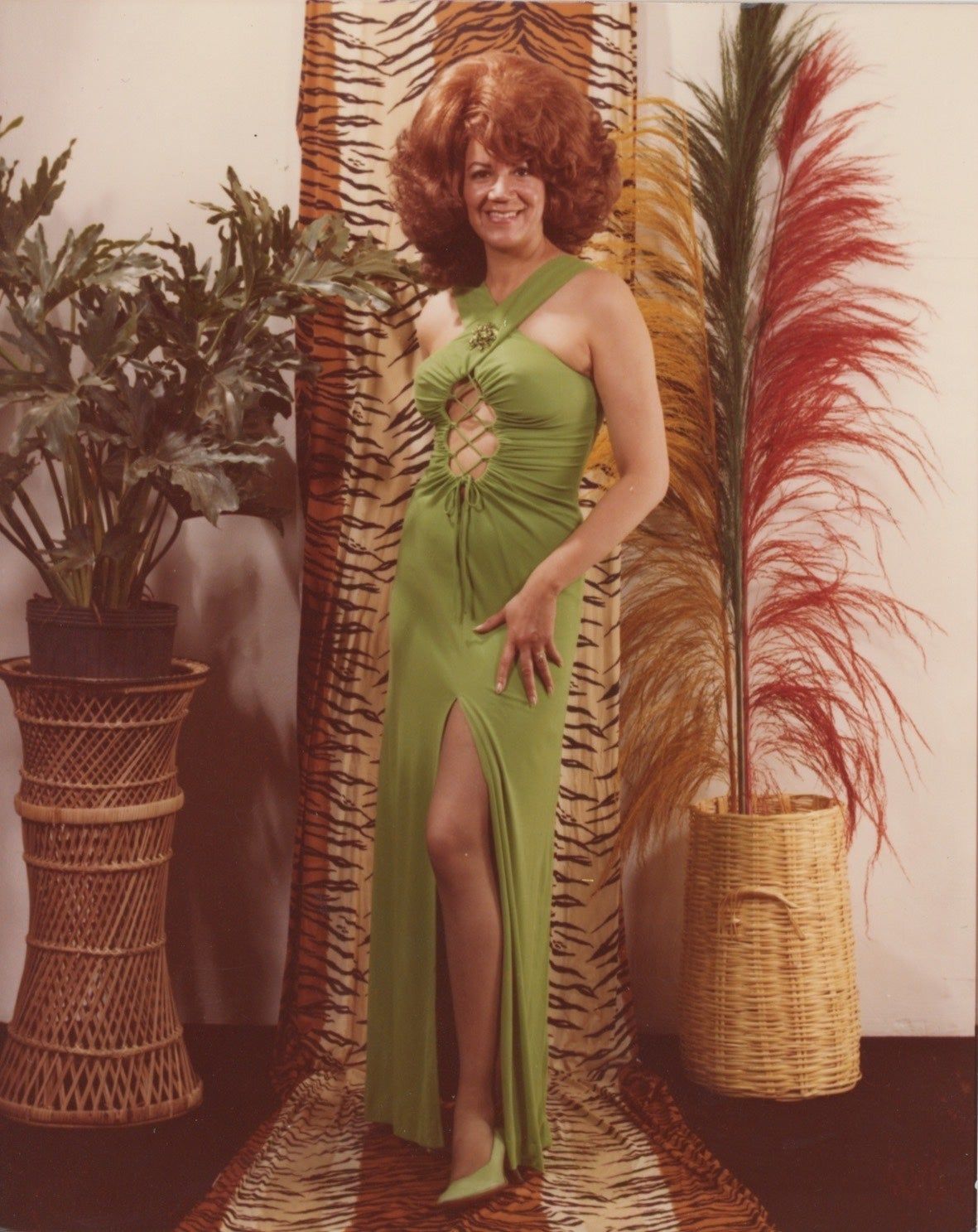
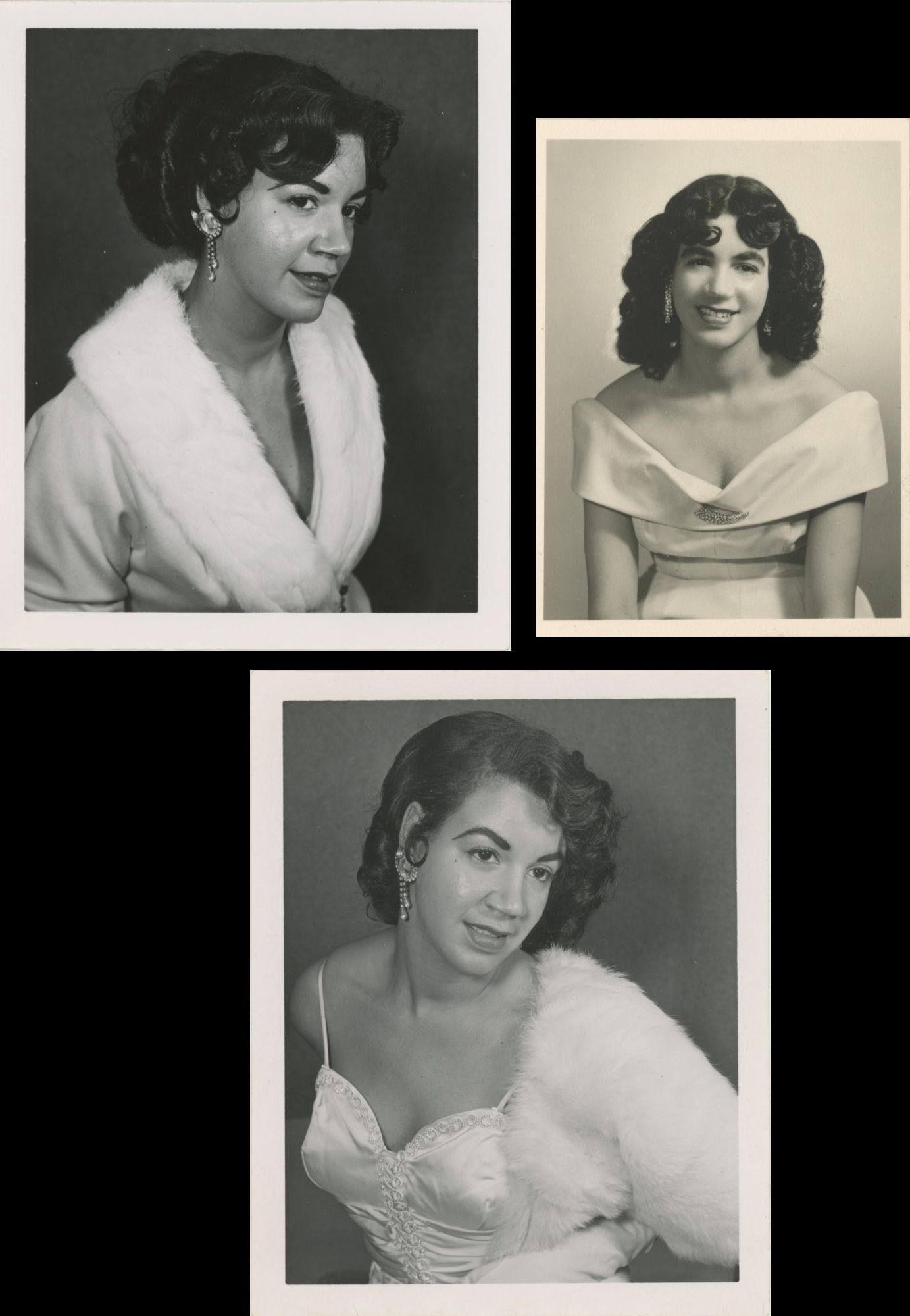
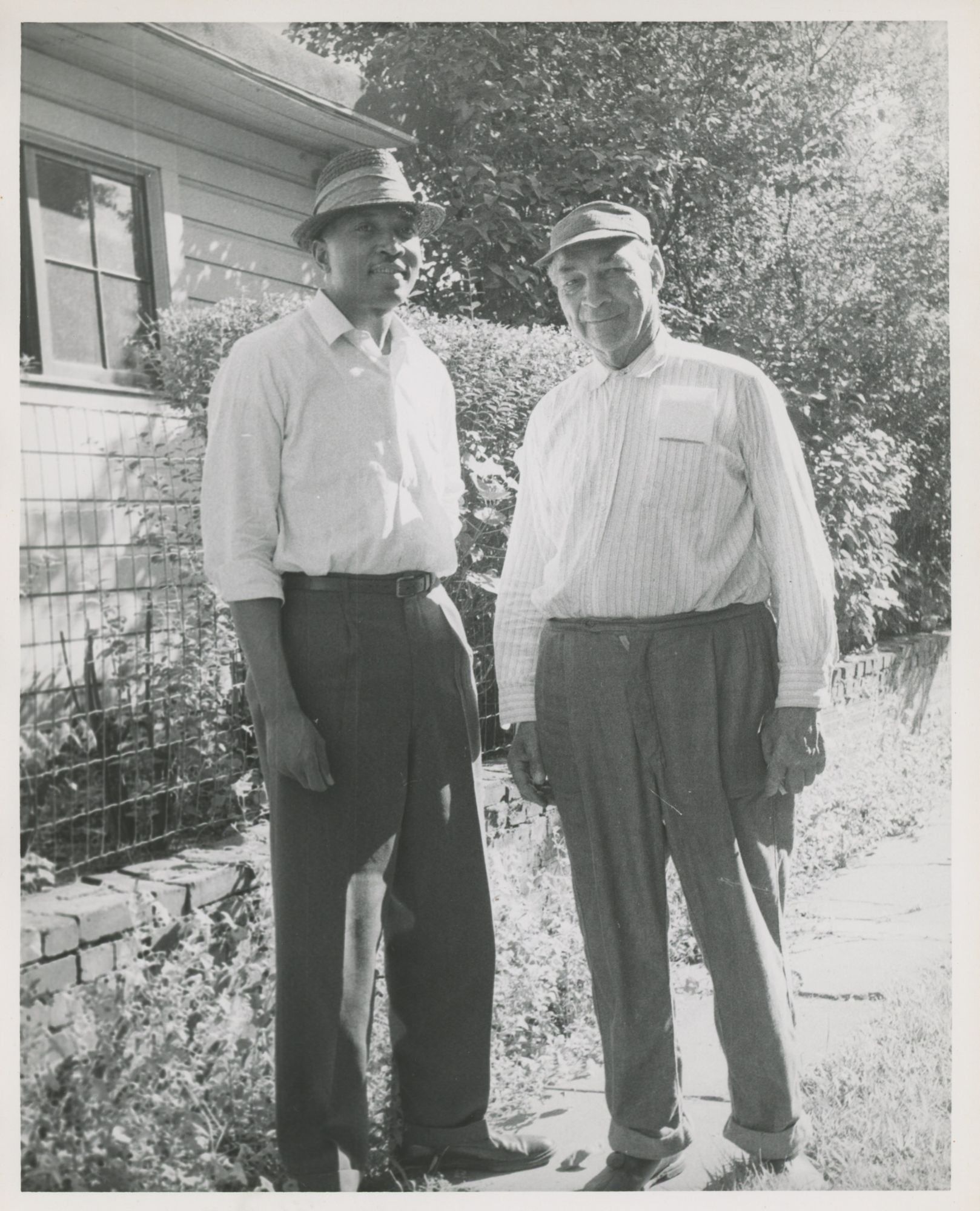
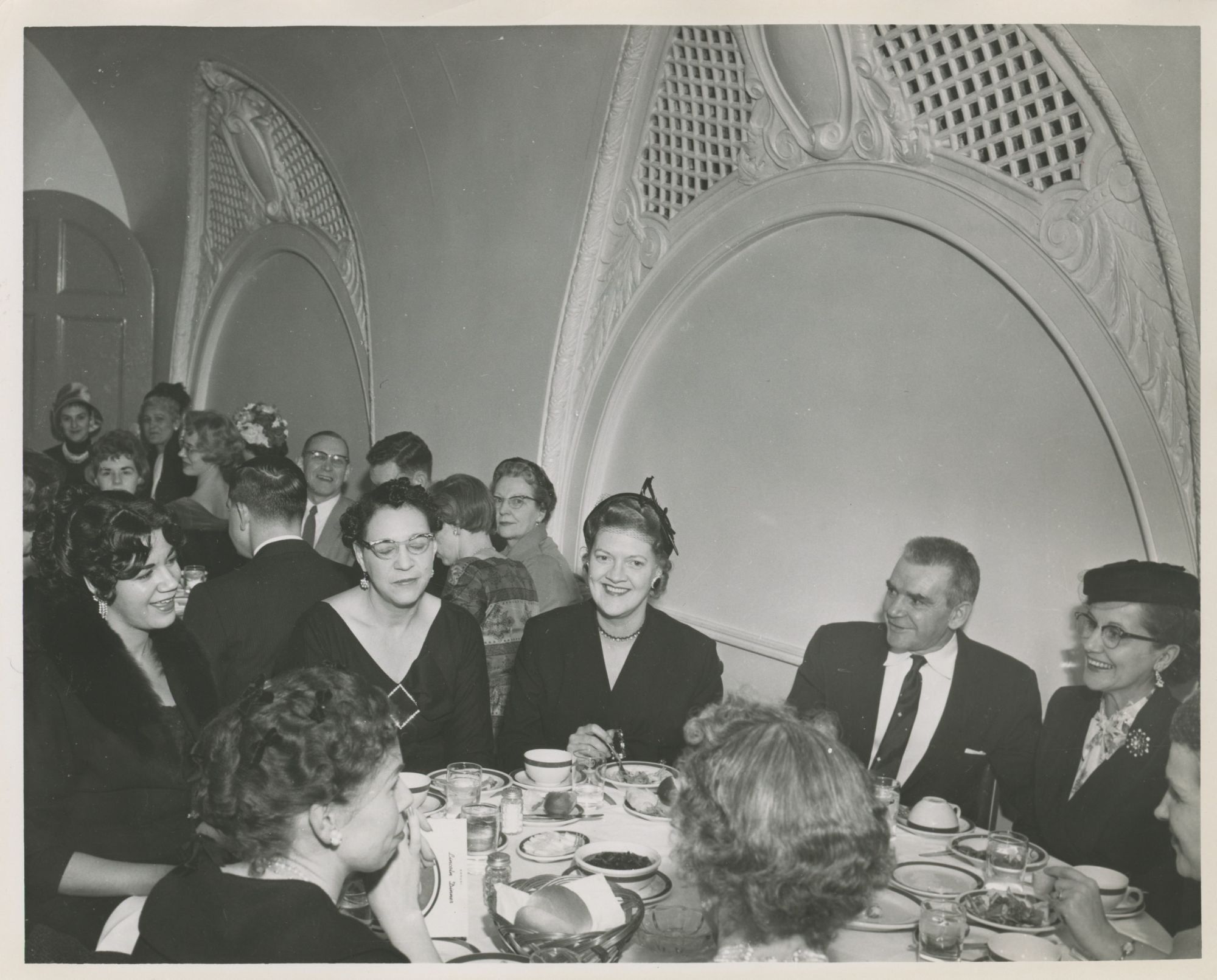
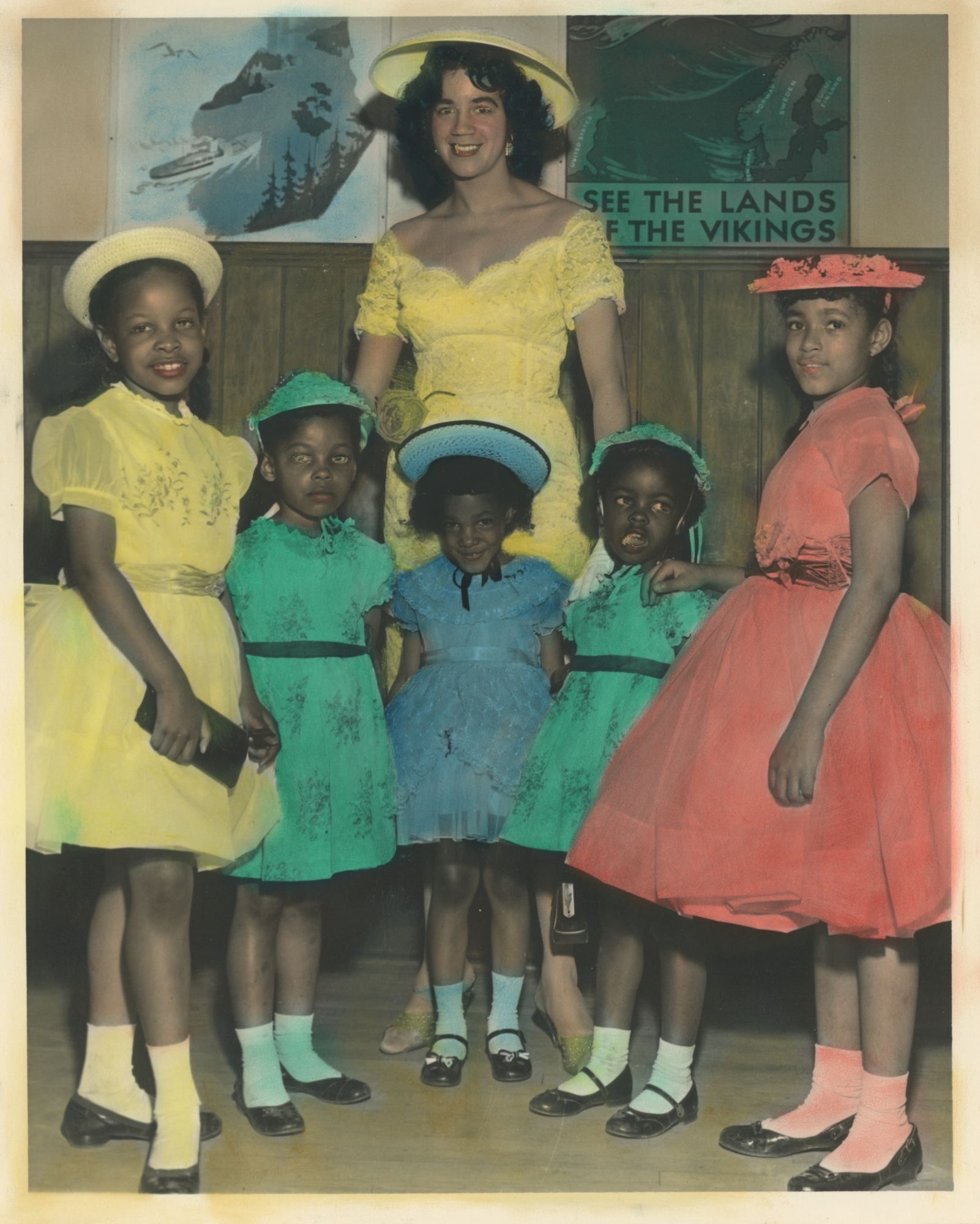
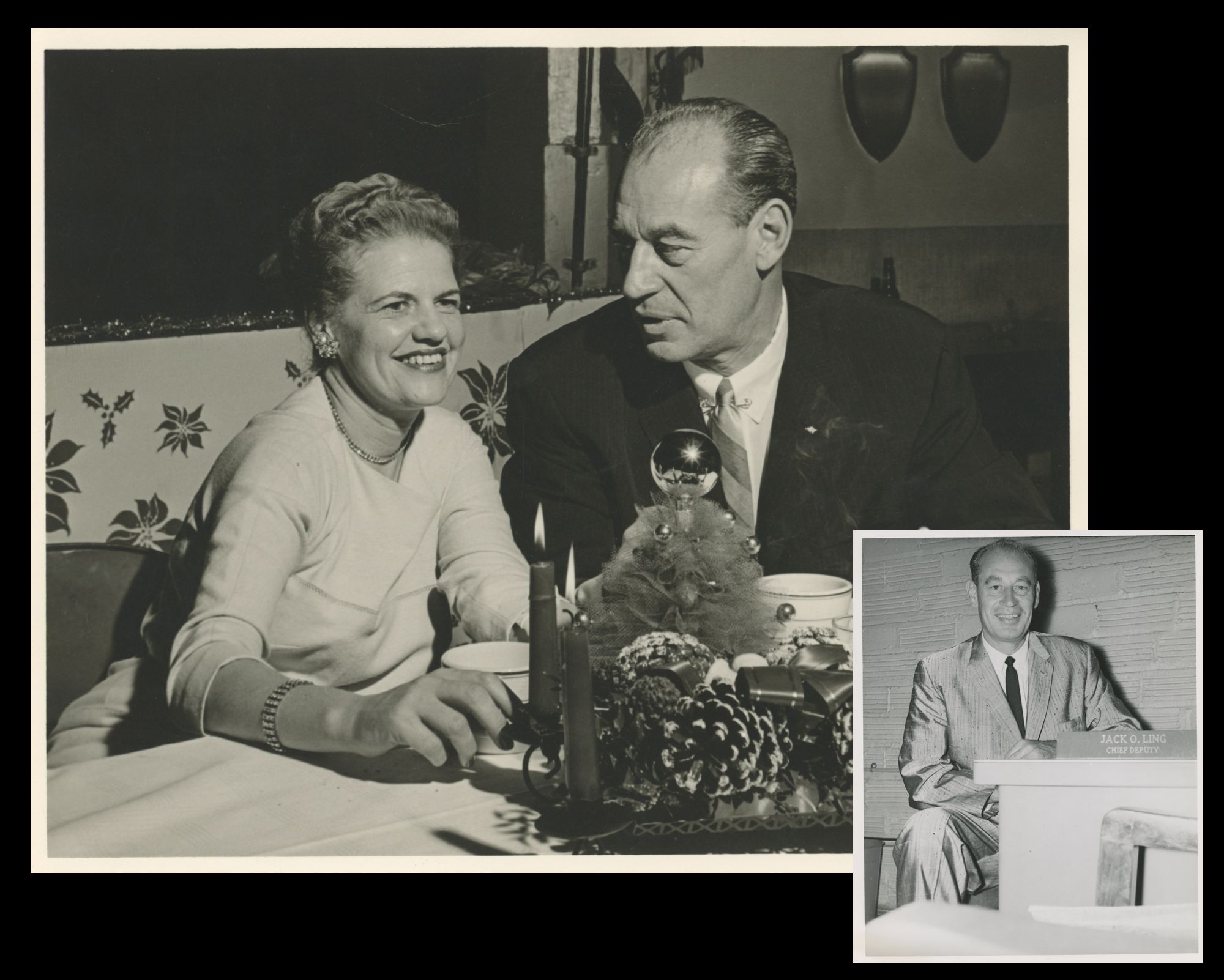
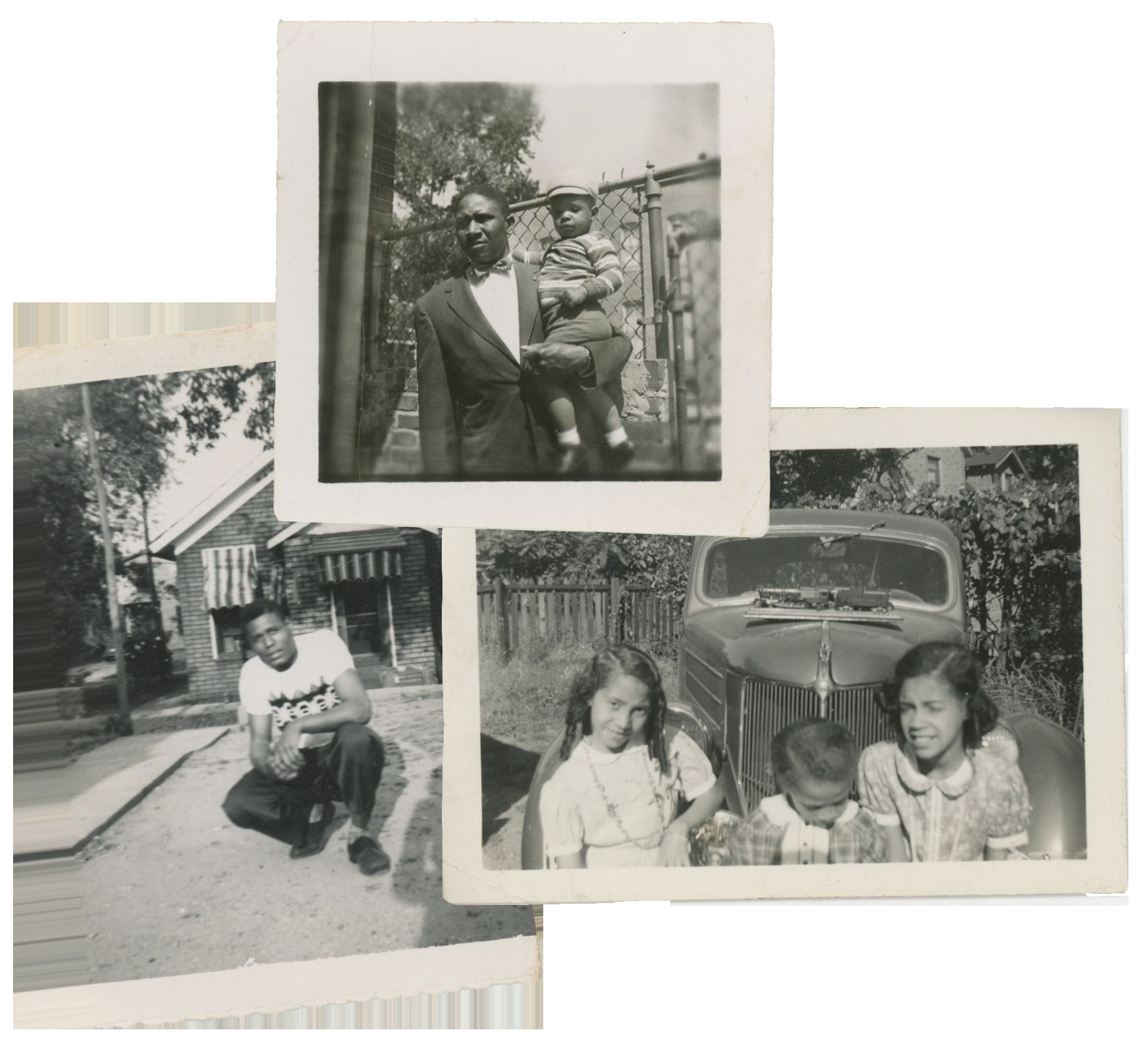
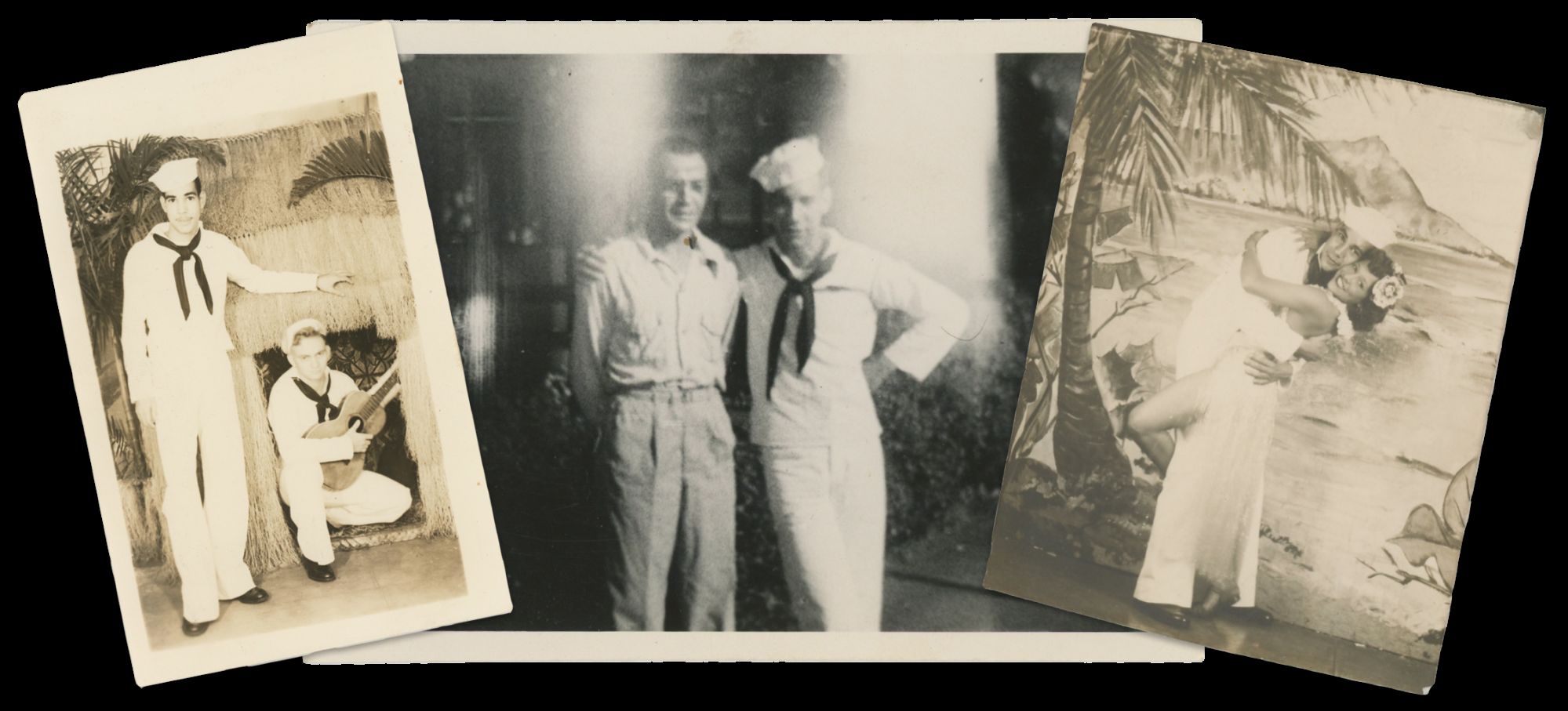
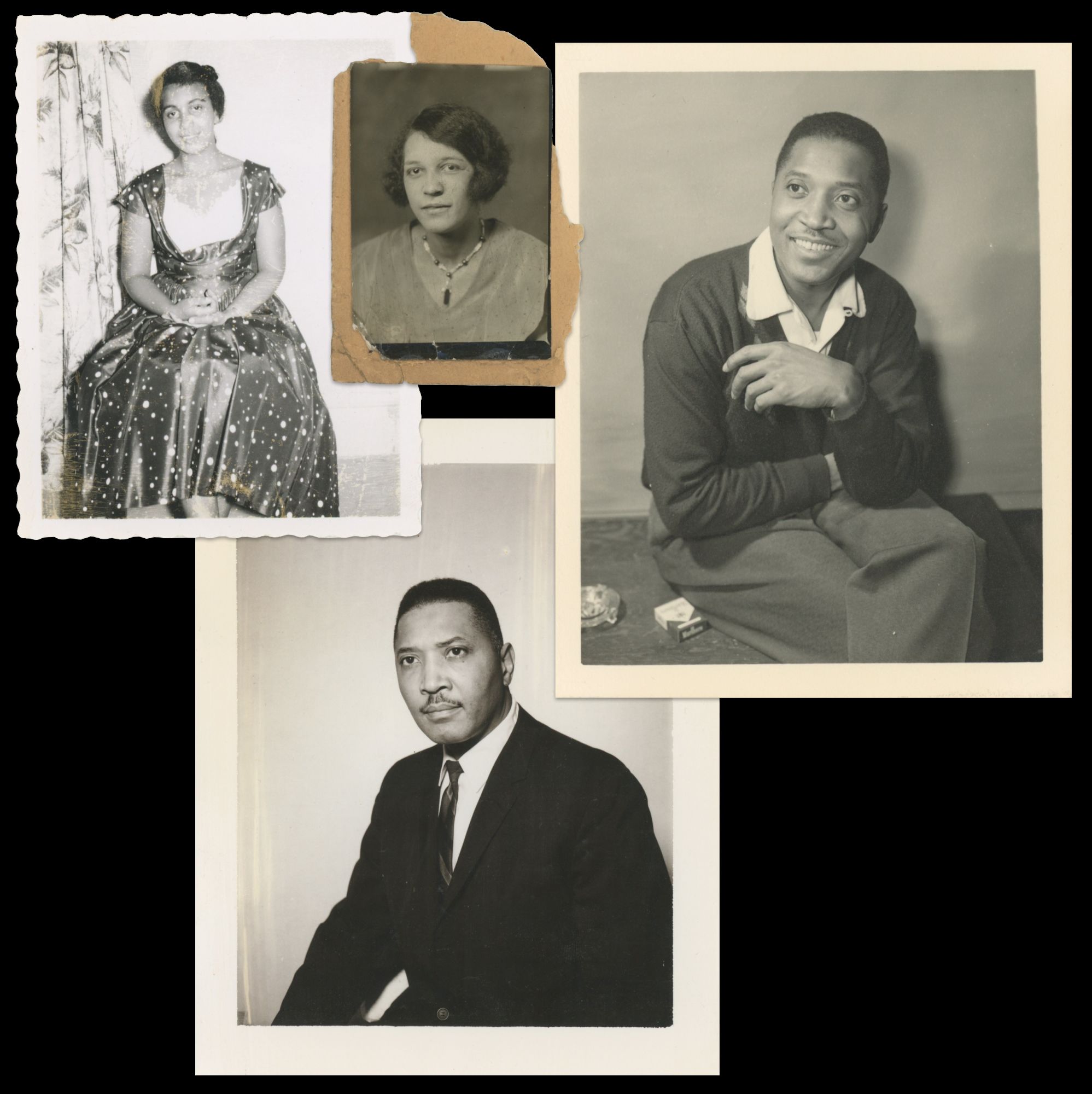
Offered here is a very large archive of Johnson’s photographs alongside some pieces of printed ephemera, covering at least seventy-three years. The oldest dated item, from August 18, 1935, is a photograph of a couple posing in their yard; the newest, from May 24, 2008, is a program for a scholarship fundraiser dinner and dance in Cincinnati. The intervening years’ photographs are mainly of unidentified friends and family, along with photos from what look to be work or political events; portraits of members of the Ohio state government including Roger W. Tracy and Summit County Sheriff Russell Bird; military and police photos from the men in Dorothy’s life; and many glamor shots of Dorothy herself.
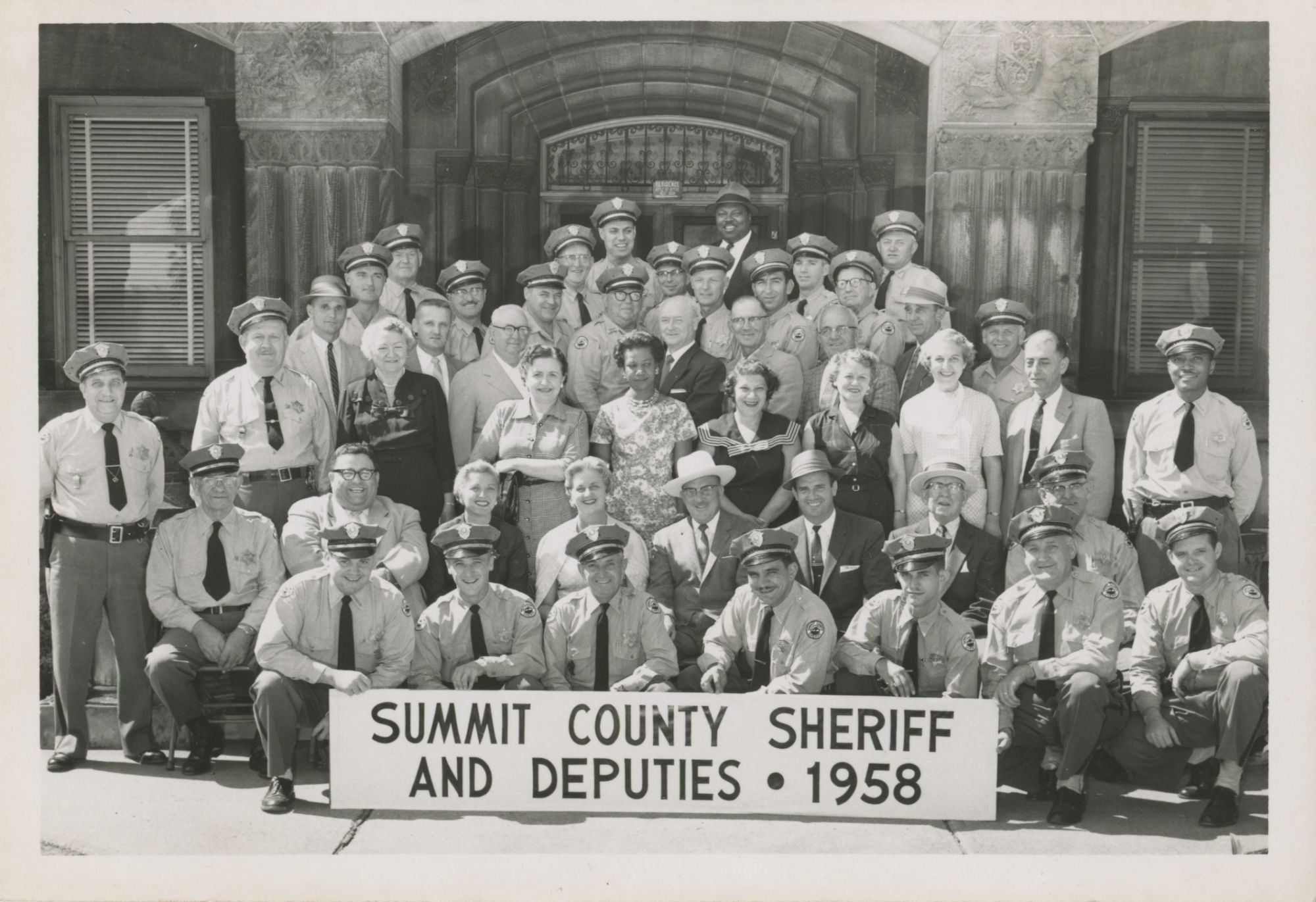
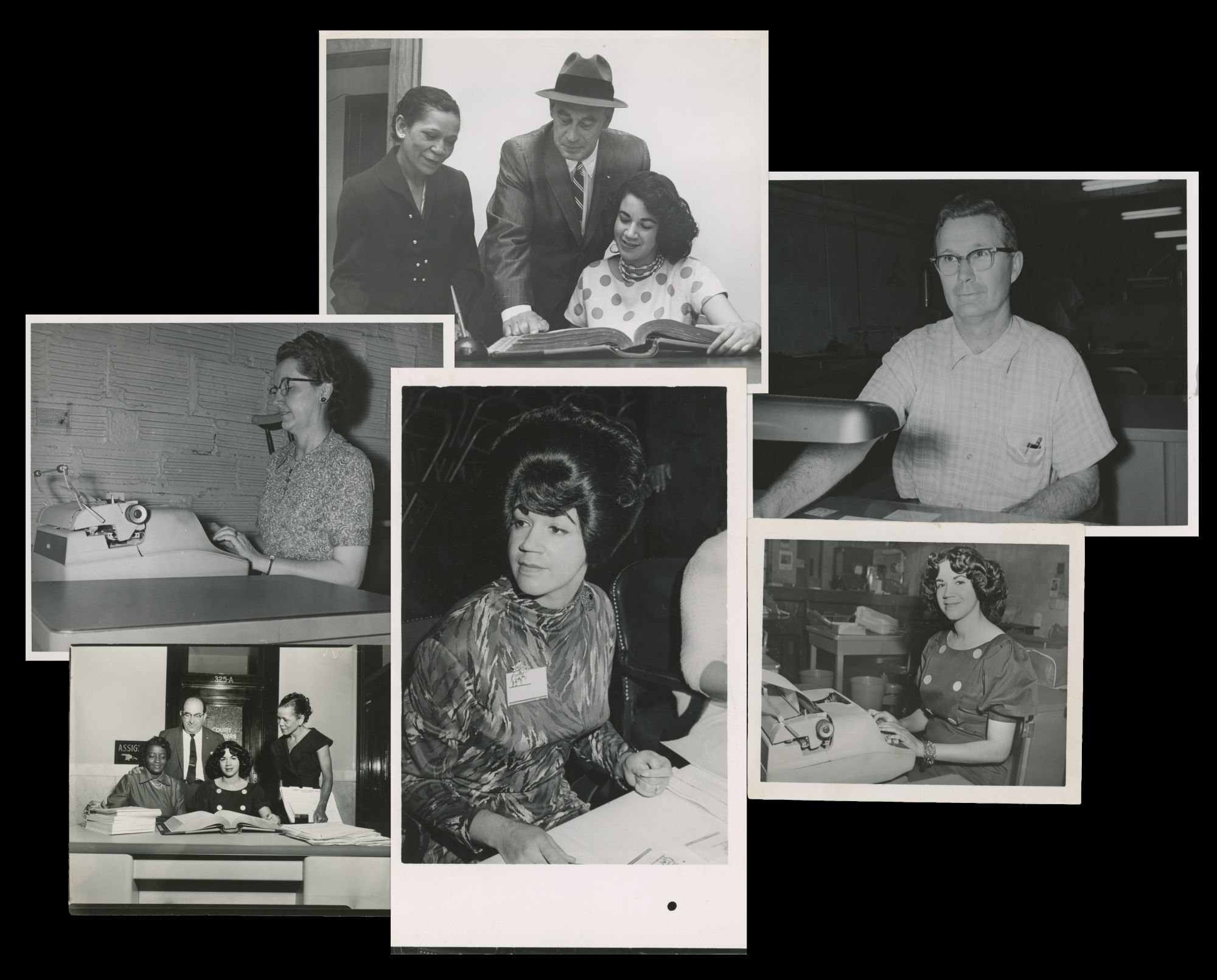
Ohio passed its Civil Rights Act, which prohibited employment discrimination, in 1959, and it was likely this legislation that allowed Johnson and her friends to work for the state. The 1958 portrait of the Summit County sheriff’s office in the archive shows a nearly entirely white group of employees; a likely later set of photographs shows several young African-American men in sheriff’s deputy uniforms. Johnson’s work photos also suggest a relatively quite integrated workplace. However, the Ohio Republican Council newsletter, dated December 1963, gives newly-elected Governor James A. Rhodes a significant portion of the credit for integrating employment: he had apparently signed an executive order regarding fair employment practices and directing the Ohio Civil Rights Commission, established by the 1959 legislation, to help employers in this regard. The OCRC’s website makes no mention of Rhodes’ order; to his credit, though, the newsletter lists quite a number of employees with an asterisk to indicate “that it is the first time in the history of Ohio that a Negro employee has held such a position”.
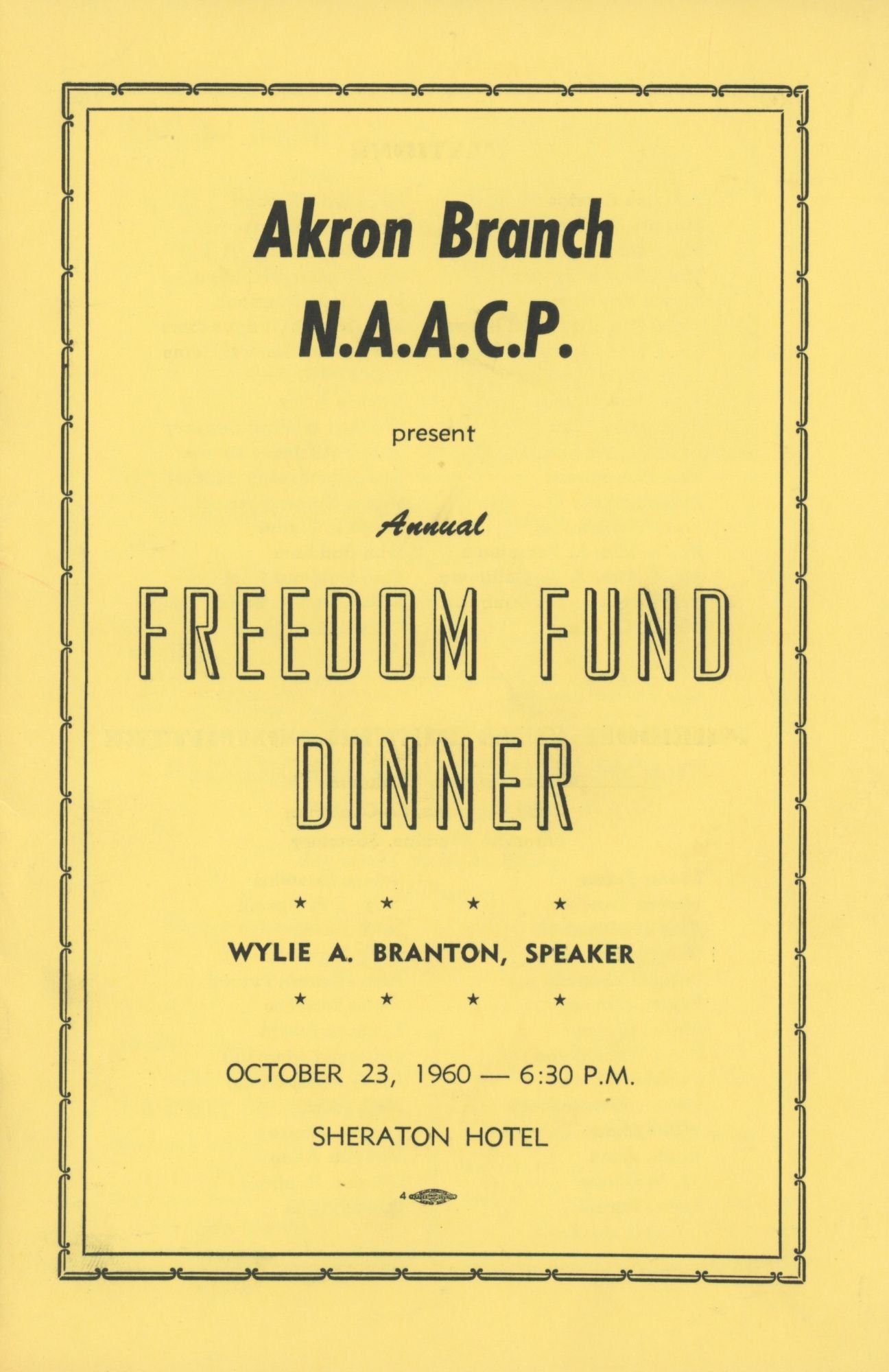
Johnson herself was involved in activism, at least to some extent; included in the archive is a pamphlet for the Akron Branch NAACP’s Freedom Fund Dinner in 1960. The dinner featured Wylie Branton as a speaker; two years earlier, a suit that Branton had filed against the Little Rock school system—Cooper v. Aaron—had been heard by the US Supreme Court, which had forced Little Rock Central High School to integrate.
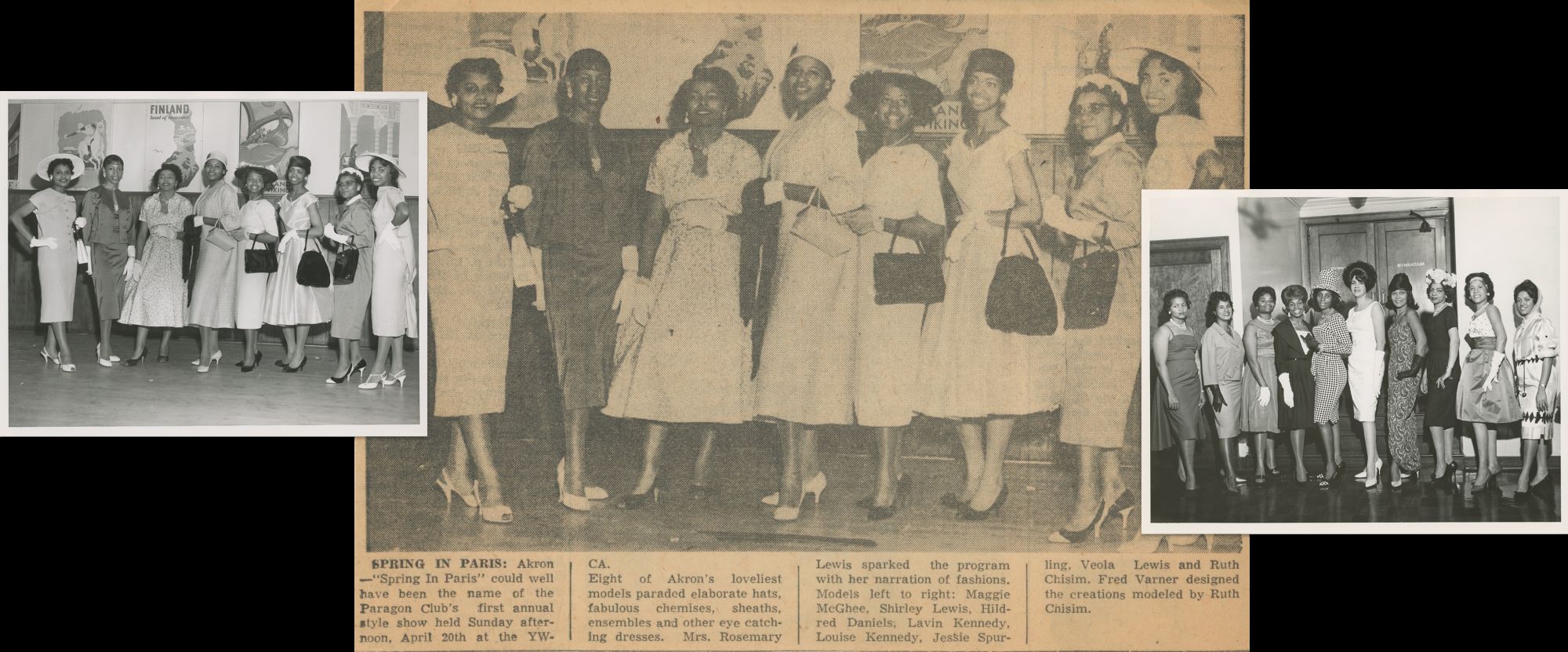
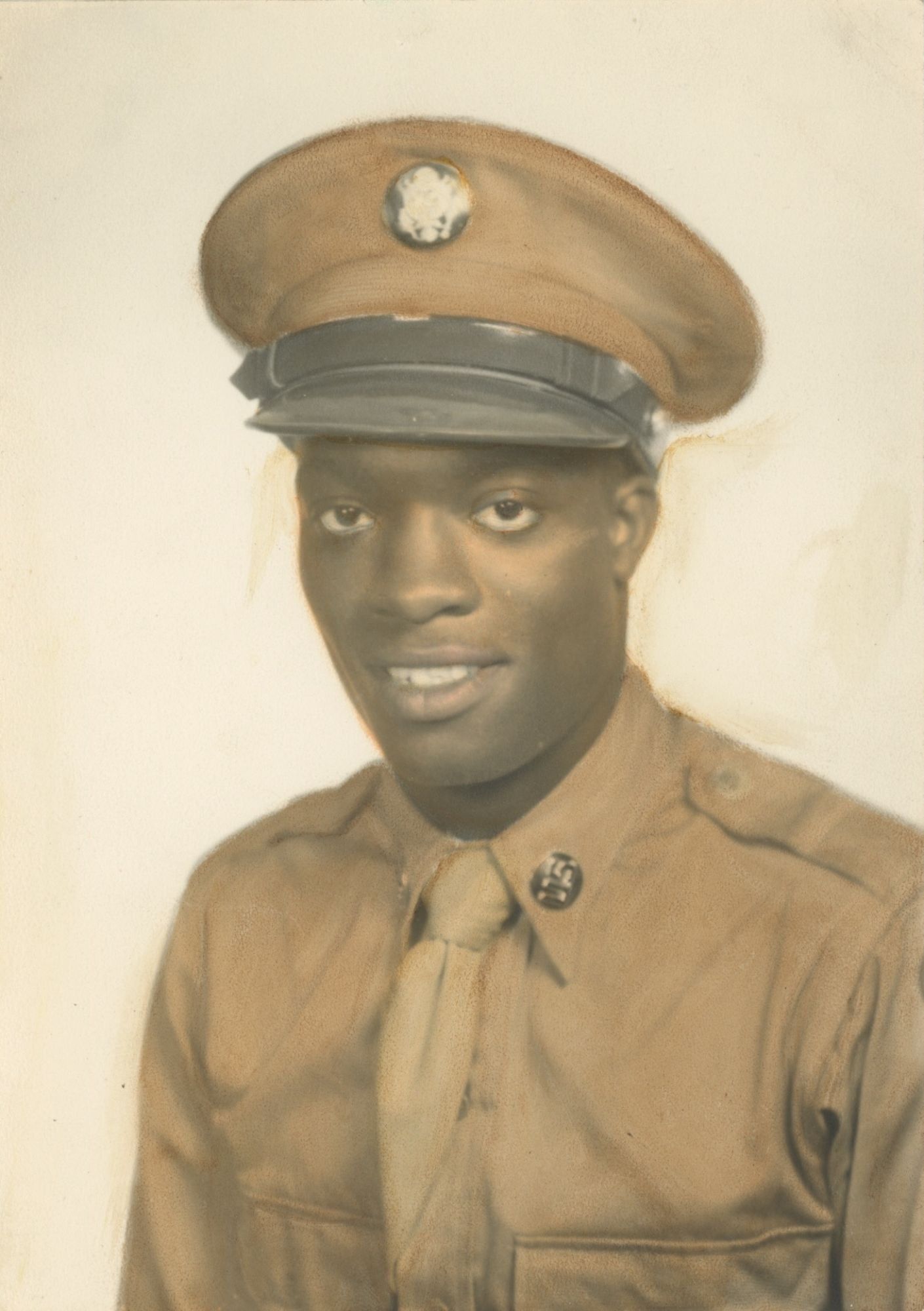
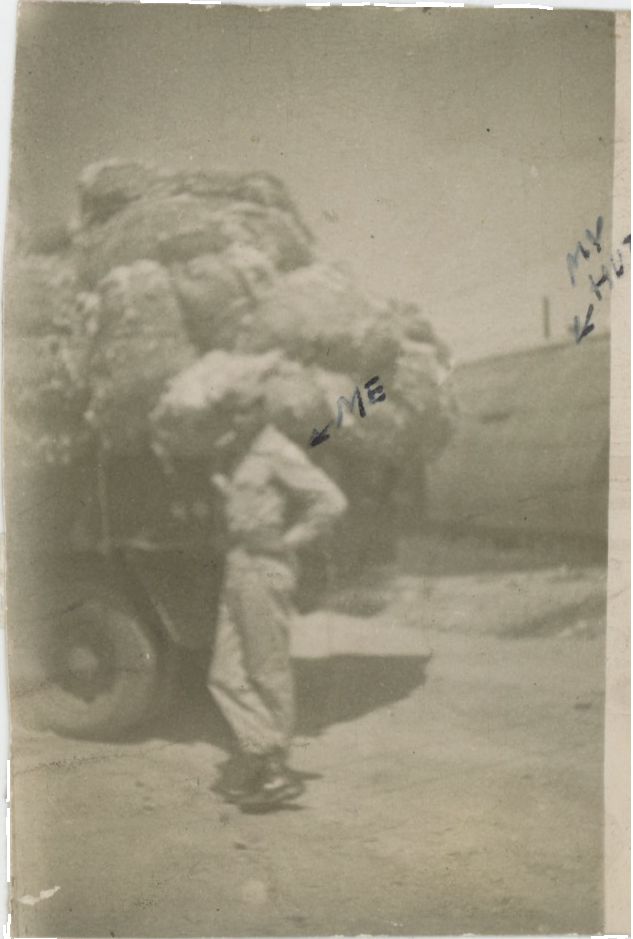
Outside of work, the photos show Johnson’s rich social life – she had a large, multi-racial friend group and was involved in local fashion shows. Many of the men in her life were military; of the military photos at least one appears to have been taken on deployment, and shows a man standing in front of a truck and a barracks, labeled “me” and “my hut”. Other military photos suggest this may have been World War 2.
Overall a sizeable, visually engaging archive documenting the life of an ordinary woman as the US began to desegregate.
Offered here is a very large archive of Johnson’s photographs alongside some pieces of printed ephemera, covering at least seventy-three years. The oldest dated item, from August 18, 1935, is a photograph of a couple posing in their yard; the newest, from May 24, 2008, is a program for a scholarship fundraiser dinner and dance in Cincinnati. The intervening years’ photographs are mainly of unidentified friends and family, along with photos from what look to be work or political events; portraits of members of the Ohio state government including Roger W. Tracy and Summit County Sheriff Russell Bird; military and police photos from the men in Dorothy’s life; and many glamor shots of Dorothy herself.
Ohio passed its Civil Rights Act, which prohibited employment discrimination, in 1959, and it was likely this legislation that allowed Johnson and her friends to work for the state. The 1958 portrait of the Summit County sheriff’s office in the archive shows a nearly entirely white group of employees; a likely later set of photographs shows several young African-American men in sheriff’s deputy uniforms. Johnson’s work photos also suggest a relatively quite integrated workplace. However, the Ohio Republican Council newsletter, dated December 1963, gives newly-elected Governor James A. Rhodes a significant portion of the credit for integrating employment: he had apparently signed an executive order regarding fair employment practices and directing the Ohio Civil Rights Commission, established by the 1959 legislation, to help employers in this regard. The OCRC’s website makes no mention of Rhodes’ order; to his credit, though, the newsletter lists quite a number of employees with an asterisk to indicate “that it is the first time in the history of Ohio that a Negro employee has held such a position”.
Johnson herself was involved in activism, at least to some extent; included in the archive is a pamphlet for the Akron Branch NAACP’s Freedom Fund Dinner in 1960. The dinner featured Wylie Branton as a speaker; two years earlier, a suit that Branton had filed against the Little Rock school system—Cooper v. Aaron—had been heard by the US Supreme Court, which had forced Little Rock Central High School to integrate.
Outside of work, the photos show Johnson’s rich social life – she had a large, multi-racial friend group and was involved in local fashion shows. Many of the men in her life were military; of the military photos at least one appears to have been taken on deployment, and shows a man standing in front of a truck and a barracks, labeled “me” and “my hut”. Other military photos suggest this may have been World War 2.
Overall a sizeable, visually engaging archive documenting the life of an ordinary woman as the US began to desegregate.