

Trithemius and Magical Theology: A Chapter in the Controversy Over Occult Studies in Early Modern Europe (SUNY Series in Western Esoteric Traditions)
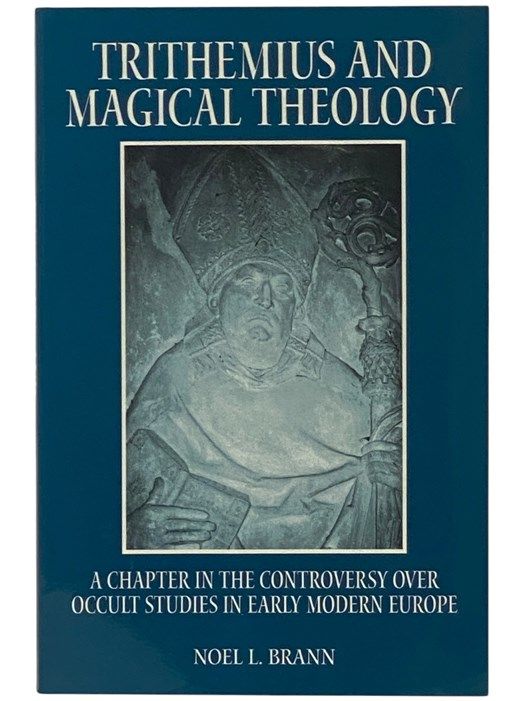
- Trade Paperback
- Albany, New York: State University of New York Press (SUNY), 1999
Albany, New York: State University of New York Press (SUNY), 1999. 1st Printing. Trade Paperback. Fine. 5x0x8. First paperback printing. An exceptional copy. 1999 Trade Paperback. x, 354 pp. An examination of Trithemius's "magical theology," which argued for the compatibility of magic and Christian doctrines, and its influence during the Renaissance and Reformation. Through an examination of the Benedictine abbot Trithemius (1462 - 1516), this book explores the intersection of the early modern debate over occult studies with a number of contemporaneous developments: late medieval mysticism, the revival of ancient letters, the Catholic and Protestant reform movements, the witch hunts, and the scientific revolution. A Benedictine living to the threshold of the Reformation period, Trithemius excelled for most of his career in the fields of monastic reform, mystical theology, and Christian Humanism, and then, suddenly, announced himself to the world as an advocate of magic. In many ways paralleling the life of his more famous contemporary Faustus, Trithemius, in contrast, left to posterity a body of theoretical work in support of his magical operations. Formulated to justify his own specialty, cryptography, Trithemius's occult theory goes beyond establishing the compatibility of magic with orthodox Christian doctrine. Its basic thrust, on the model of mystical theology, is to present magic as an appropriate vehicle to convey the soul from the finite to the infinite.