

ALS by the Author and Actor Fanny Kemble to an Editor Regarding the Publication of an Article
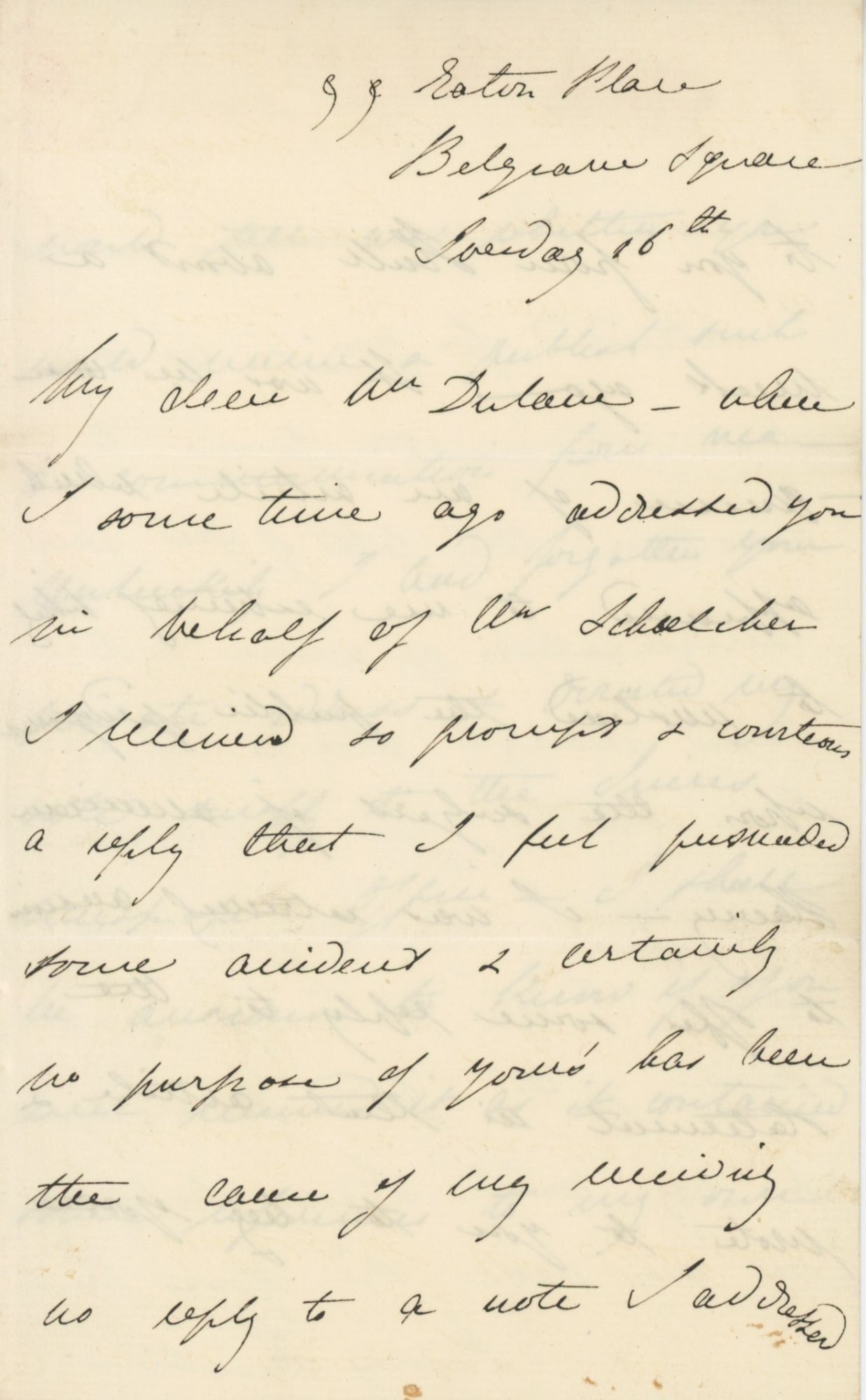
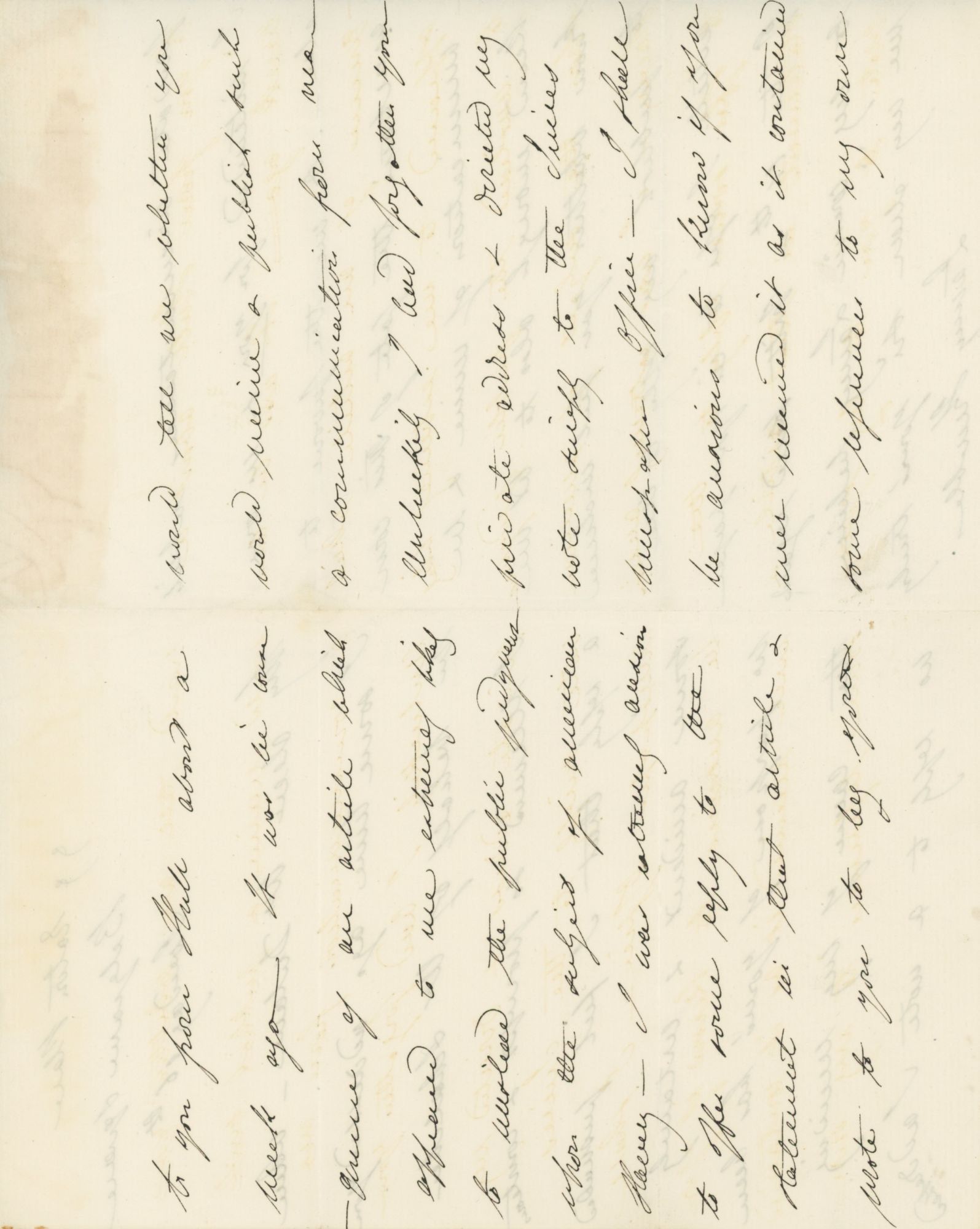
- Single four page letter measuring 4 ½ x 7 inches
- London, United Kingdom , 1800
London, United Kingdom, 1800. Single four page letter measuring 4 ½ x 7 inches. Near fine. Frances Anne “Fanny” Kemble (1809–1893) was a British actor, writer, and later abolitionist. After her initial retirement from acting, she married Pierce Mease Butler, maternal grandson of American Founding Father Pierce Butler. Butler and Kemble lived in Philadelphia, but Butler had been deeded three large plantations—and the people enslaved on them—on Butler Island in Georgia. Kemble finally saw the plantations for herself several years into their marriage, and during this time wrote Journal of a Residence on a Georgian Plantation in 1838–1839, which was critical of the conditions of the enslaved people. Butler forbade Kemble to publish the Journal; the two divorced, but it was not published until 1863.
Offered here is a letter from Fanny Kemble to a publisher or newspaper editor about printing her response to a statement in an article about American slavery, likely written following her return to London in 1877. Kemble is frustrated about not having received a reply to her initial note to the publisher, which was:
“in consequence of an article which appeared to me extremely likely to [?] the public judgement upon the subject of American slavery – I was extremely anxious to offer some reply to the statement in that article & wrote to you to beg you could tell me whether you would receive & publish such a communication from me [...] it contained some references to my own private circumstances which I intended for you & no one else.”
Of interest to scholars of the abolitionist movement, especially women abolitionists.
Offered here is a letter from Fanny Kemble to a publisher or newspaper editor about printing her response to a statement in an article about American slavery, likely written following her return to London in 1877. Kemble is frustrated about not having received a reply to her initial note to the publisher, which was:
“in consequence of an article which appeared to me extremely likely to [?] the public judgement upon the subject of American slavery – I was extremely anxious to offer some reply to the statement in that article & wrote to you to beg you could tell me whether you would receive & publish such a communication from me [...] it contained some references to my own private circumstances which I intended for you & no one else.”
Of interest to scholars of the abolitionist movement, especially women abolitionists.