

The Iliad and Odyssey of Homer translated into English Blank Verse
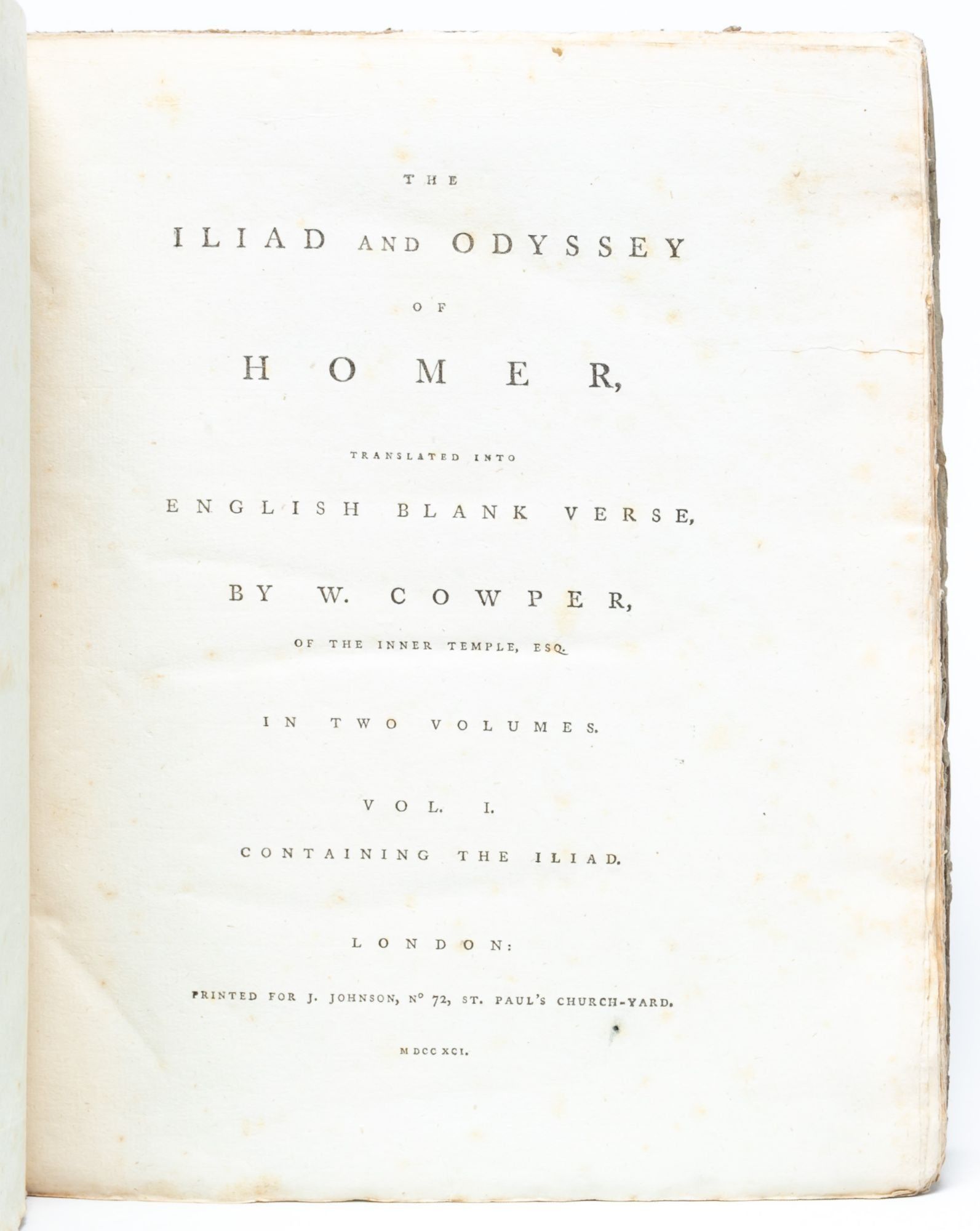
- London: Printed for J. Johnson, 1791
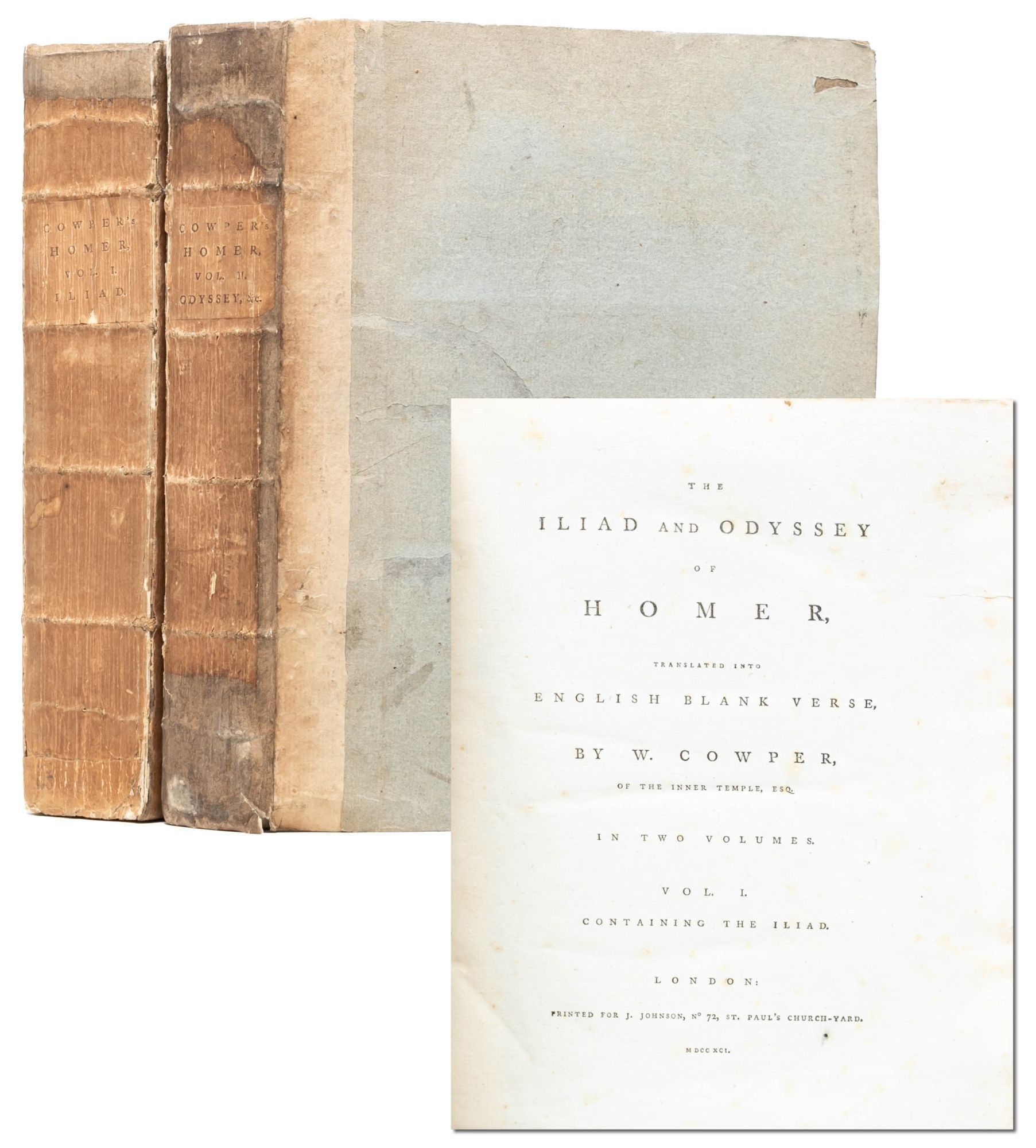
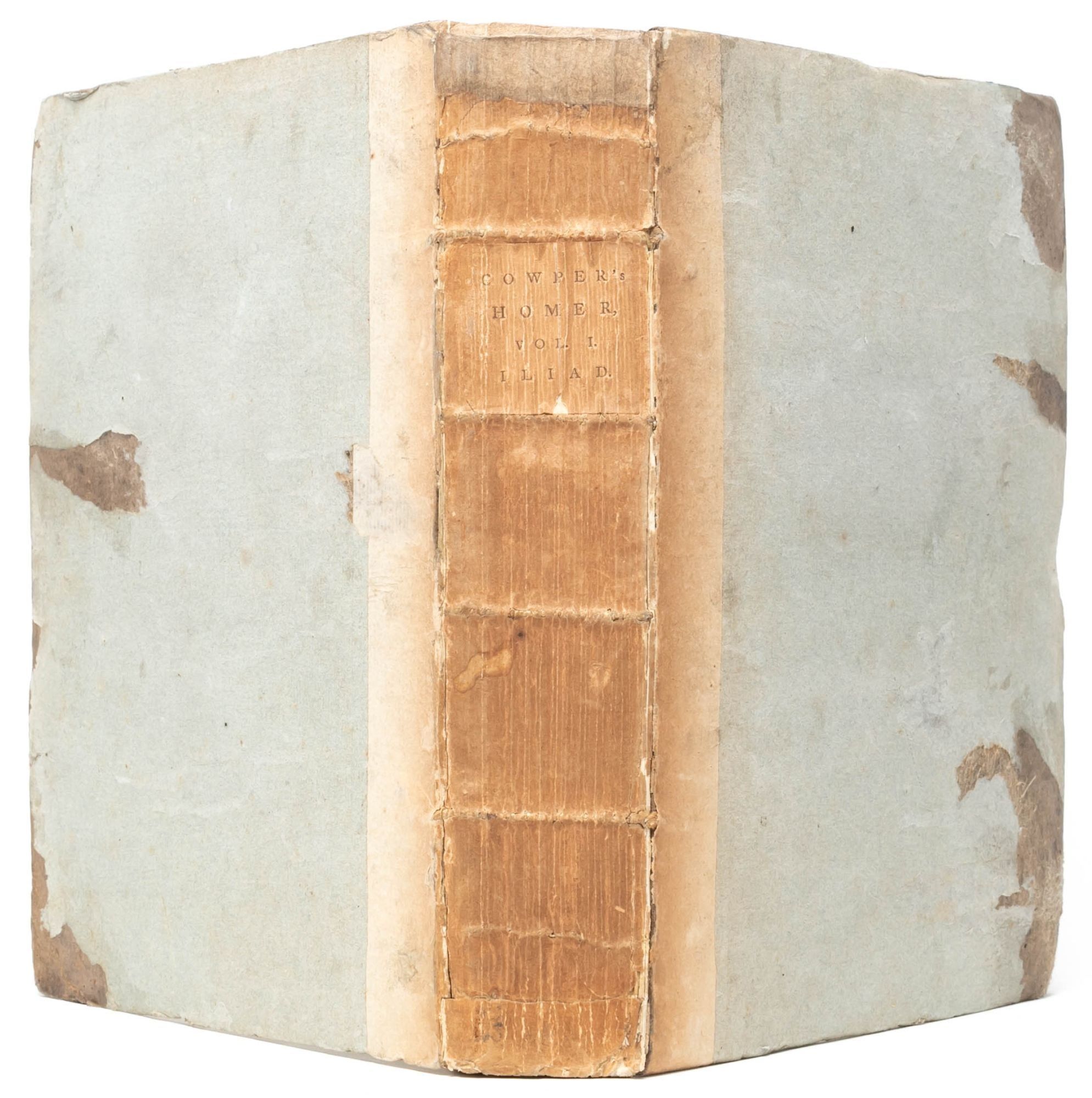
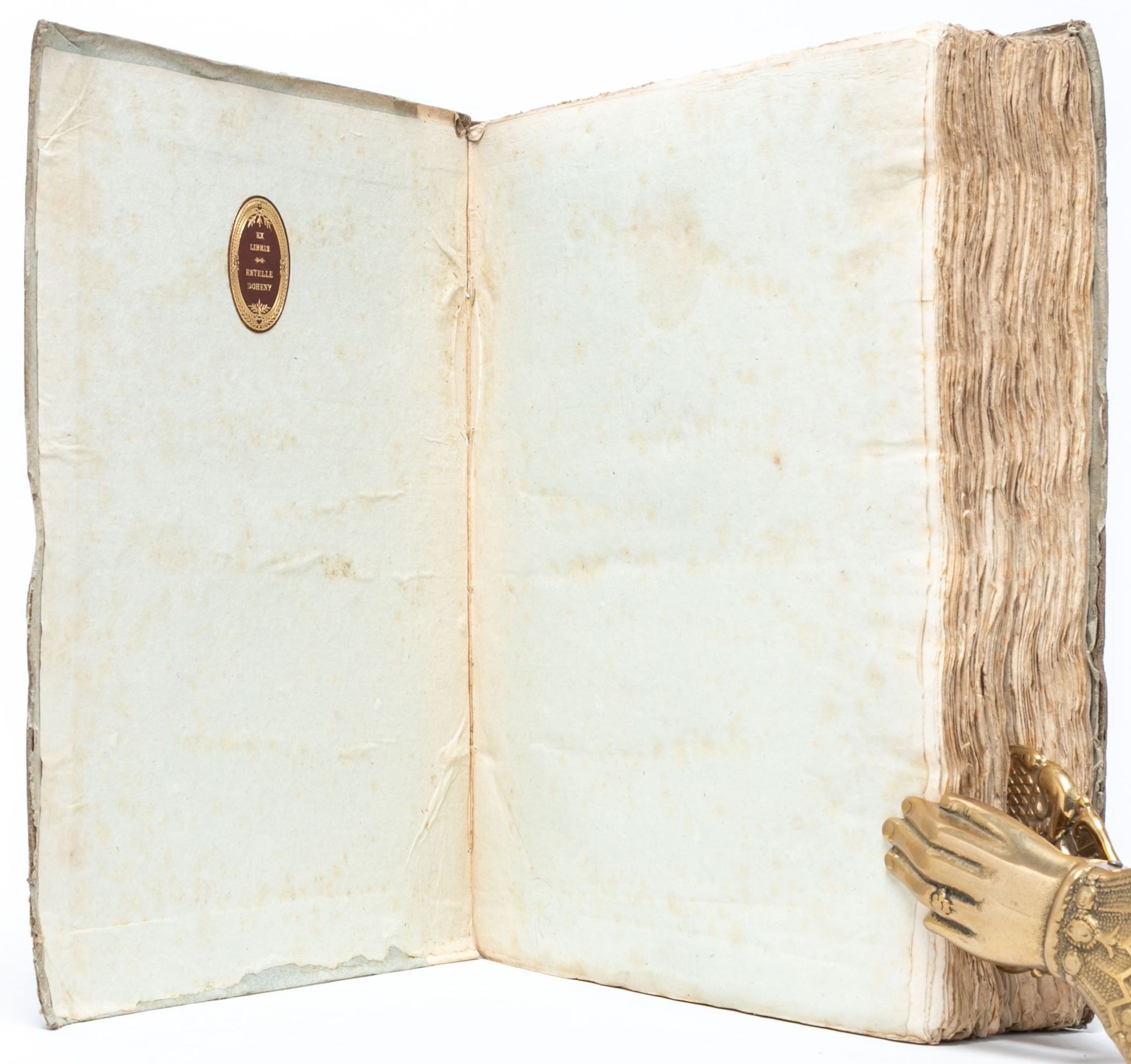
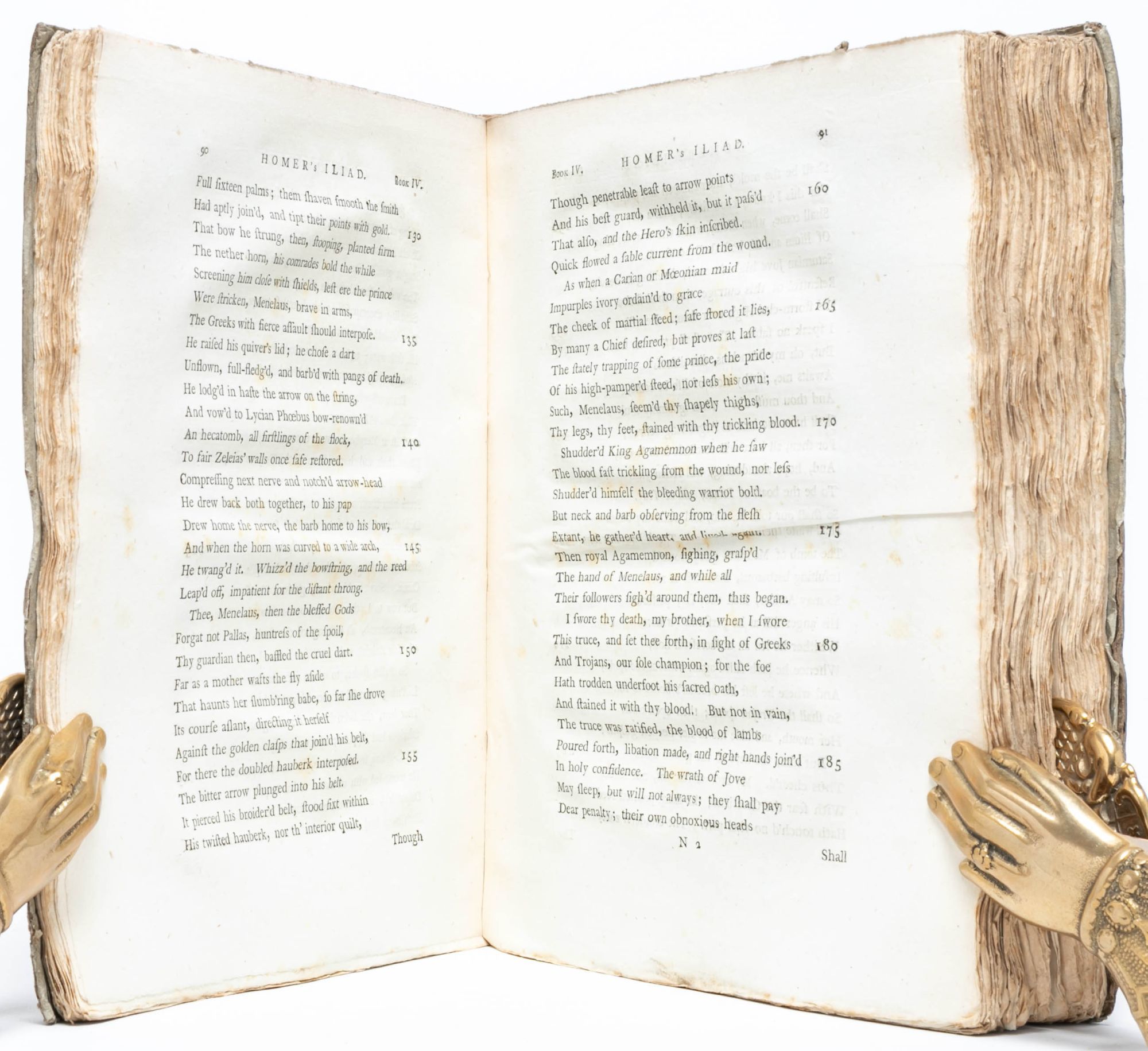
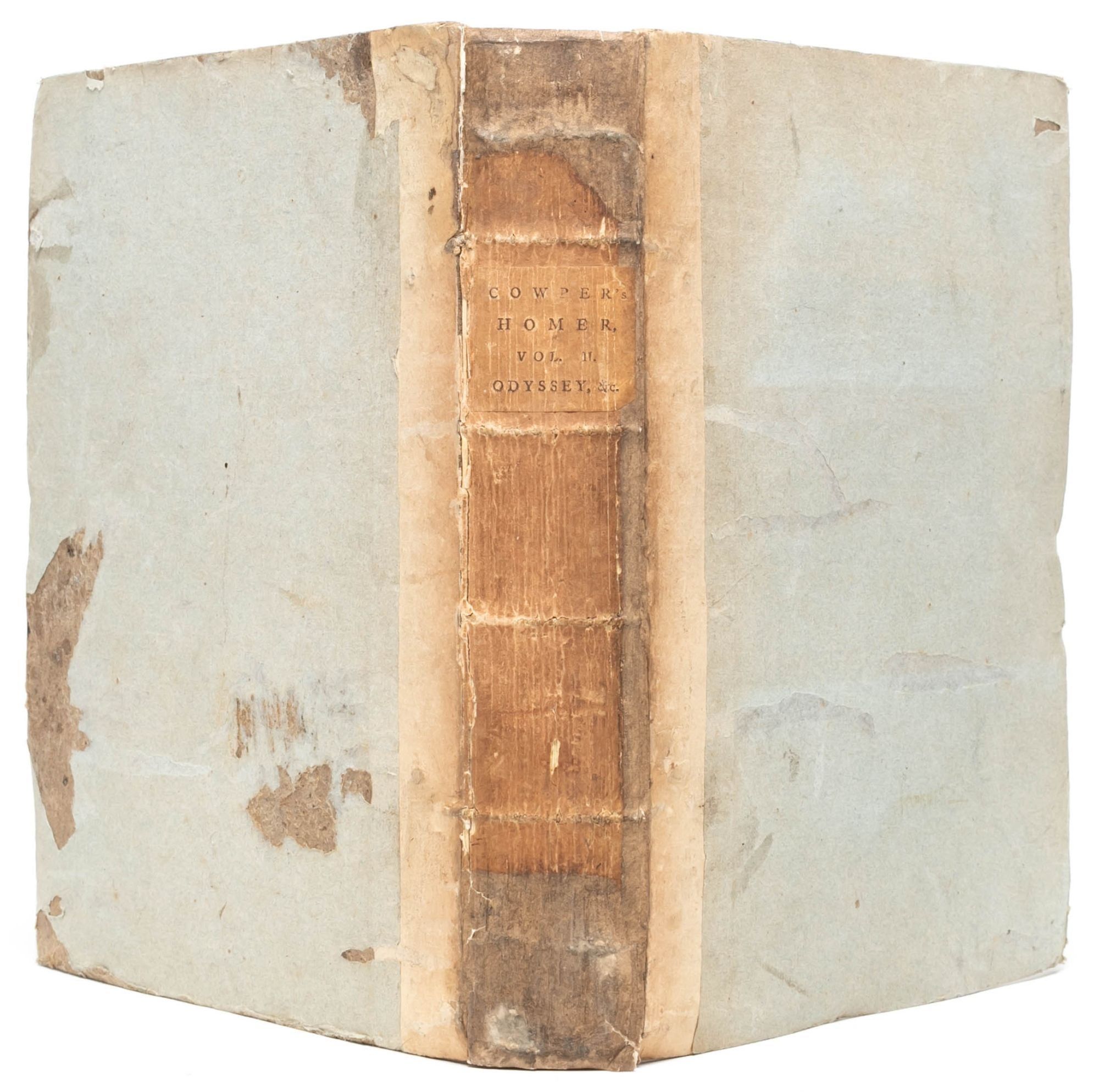
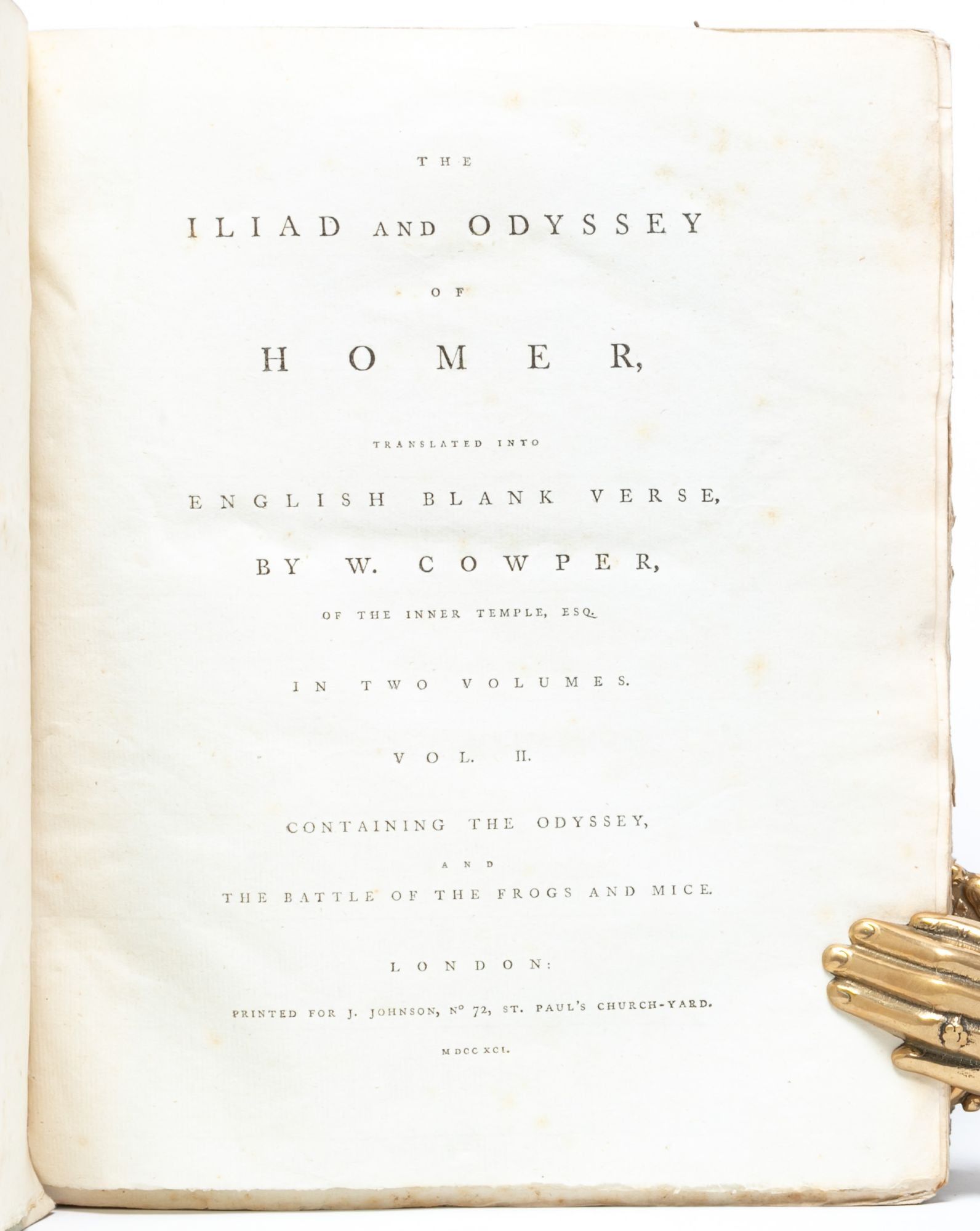
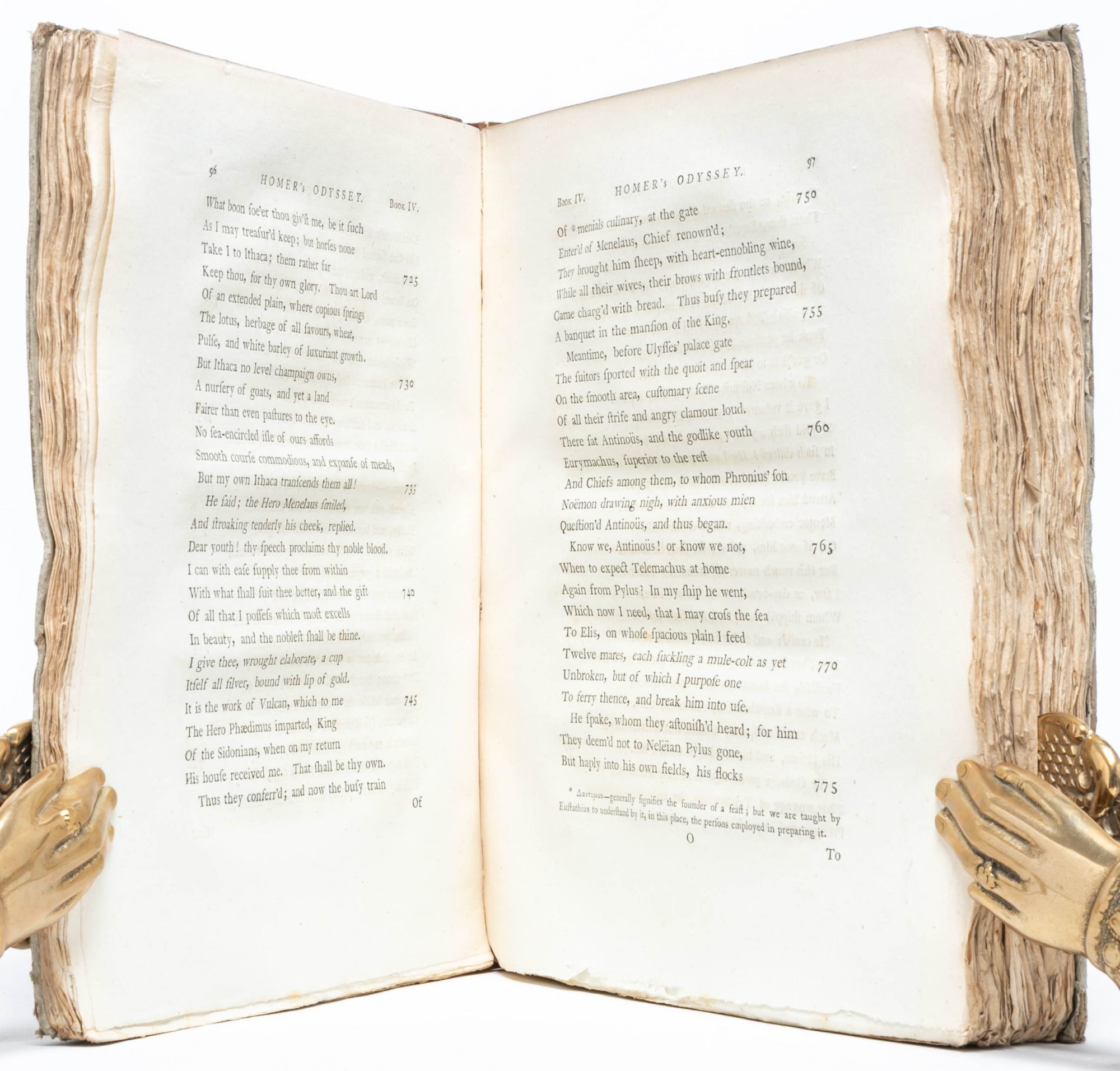
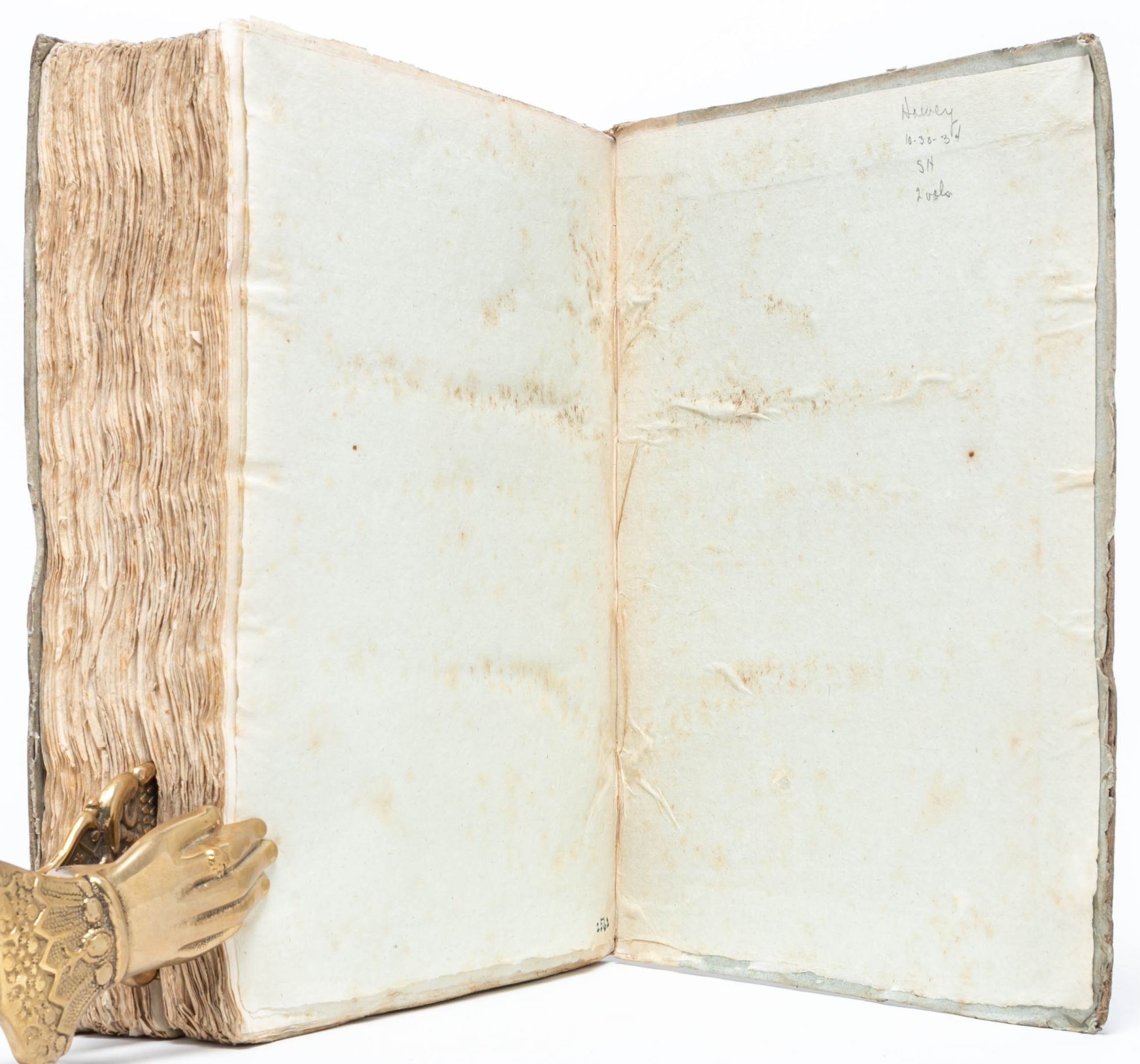
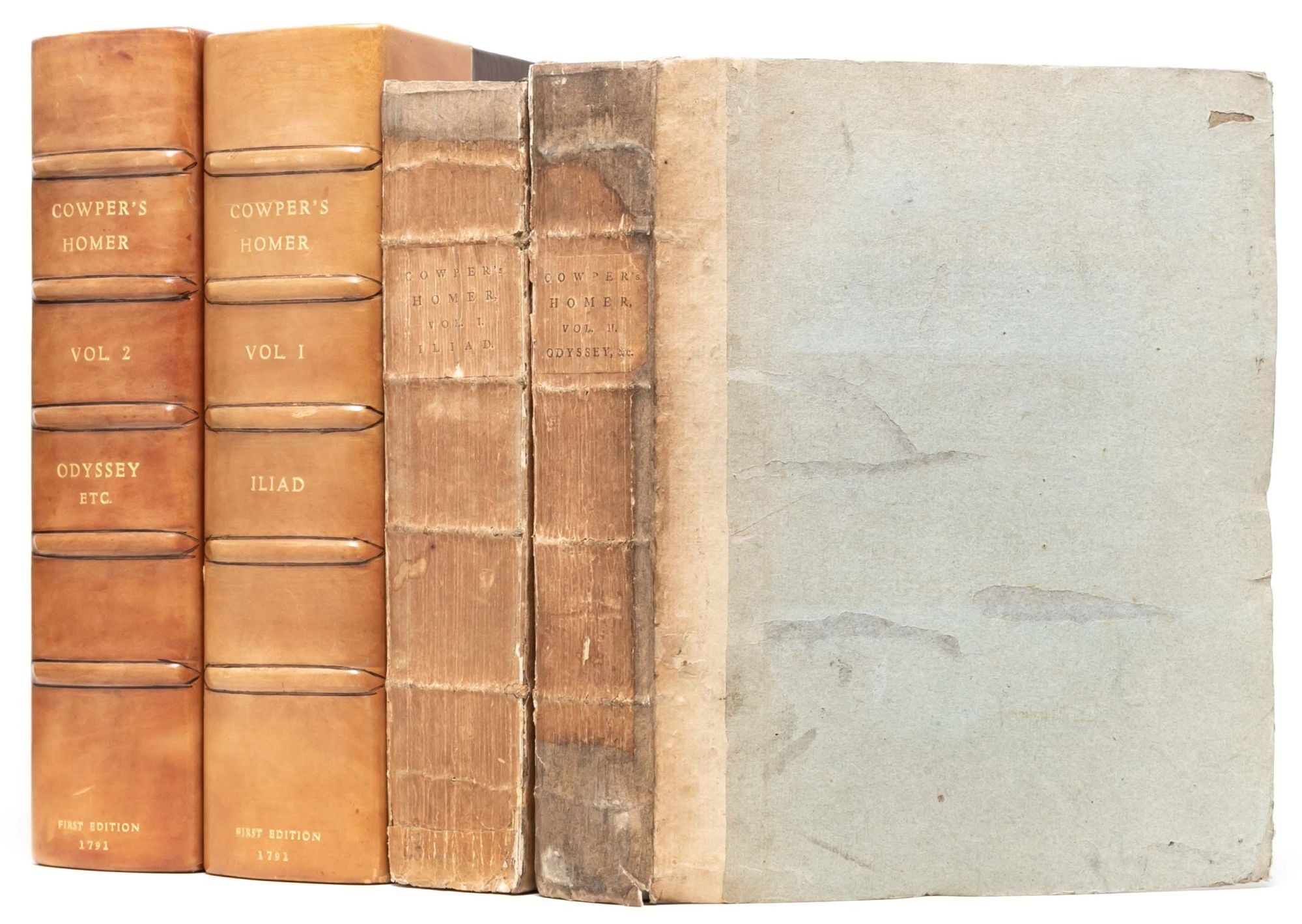
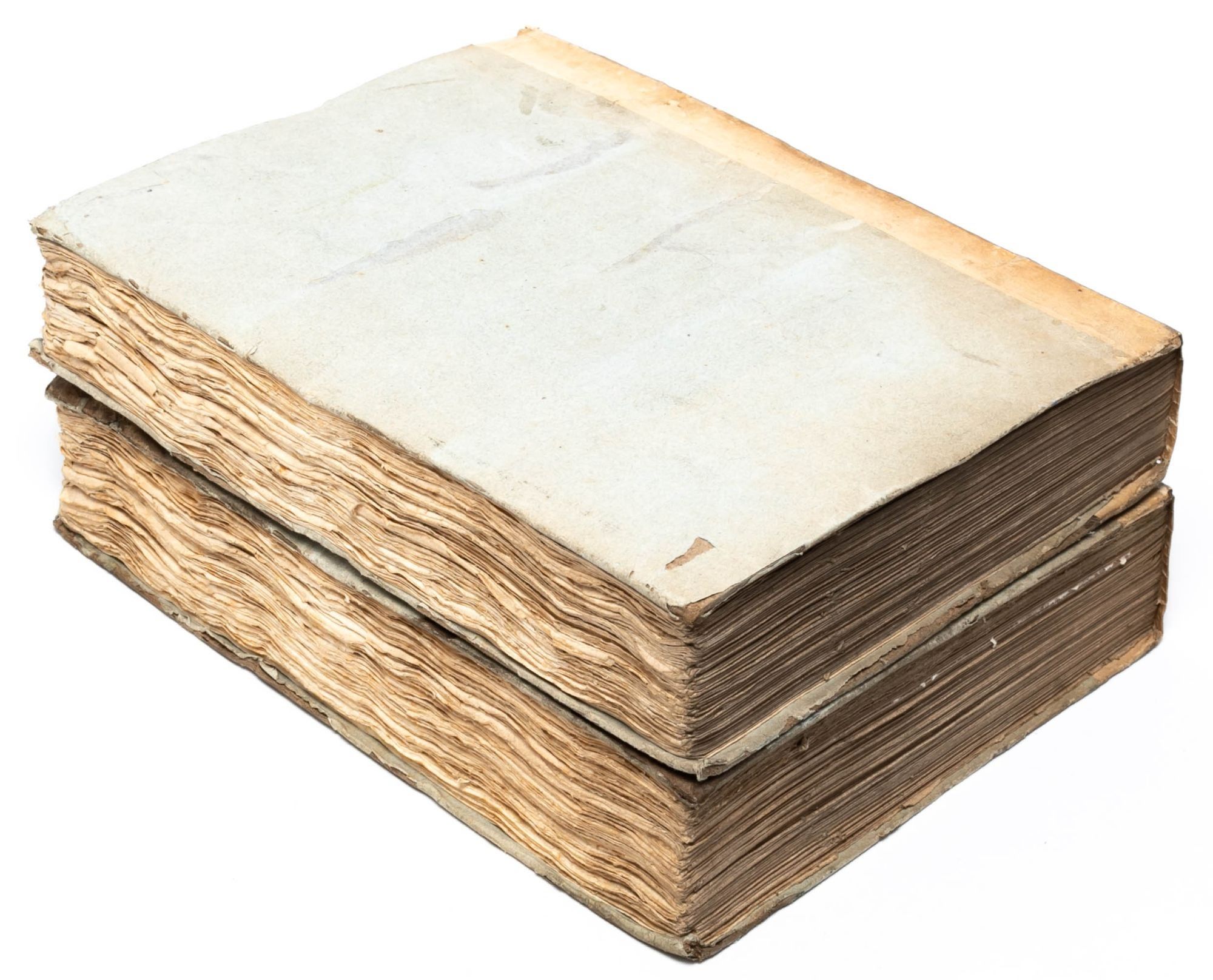
London: Printed for J. Johnson, 1791. First thus. Near Fine. Publisher's blue paper boards with printed paper spine labels. Two volumes, quarto. xvii, [11], 668; [1], 583 pp. A large copy, untrimmed and partially unopened. From the library of Estelle Doheny, with her bookplate to upper pastedown of each volume. Some chipping and dustsoiling to boards, mostly to volume one. A very clean set overall with just a bit of foxing to first and last few leaves of each volume. A fresh, Near Fine set, a remarkable survival and rare in this original state. Housed in custom half polished calf slipcases with chemise.
William Cowper's translation is considered a "conscientiously literal" rendering of the text, adopting a "Miltonian" blank verse in an attempt to capture the plain, direct tone of the Greek (Arnold, On Translating Homer).Though the translation was criticized by some as lacking the flow and ease of the original text, and for relying too much on reference to Milton, it was also regarded as "a lofty achievement in scholarship and poetry" that appropriately preserved the Homeric "nobility" and is generally preferred over Alexander Pope's 1715 translation (The Cambridge History of English Literature). Overall, Cowper presented an appealing translation that is here preserved in its rare and attractive original state – in the publisher's boards, untrimmed, and partially unopened.
This copy sold for over $2,400 during the Estelle Doheny collection sale at Christie's in 1988. Estelle Doheny (1875 - 1958) was a renowned book collector who, most notably, owned a copy of the Gutenberg Bible that is now held at Keio University in Tokyo. Doheny lived in Southern California with her husband, the oil tycoon Edward L. Doheny, and the Carrie Estelle Doheny Memorial Library in Camarillo is named for her. Near Fine.
William Cowper's translation is considered a "conscientiously literal" rendering of the text, adopting a "Miltonian" blank verse in an attempt to capture the plain, direct tone of the Greek (Arnold, On Translating Homer).Though the translation was criticized by some as lacking the flow and ease of the original text, and for relying too much on reference to Milton, it was also regarded as "a lofty achievement in scholarship and poetry" that appropriately preserved the Homeric "nobility" and is generally preferred over Alexander Pope's 1715 translation (The Cambridge History of English Literature). Overall, Cowper presented an appealing translation that is here preserved in its rare and attractive original state – in the publisher's boards, untrimmed, and partially unopened.
This copy sold for over $2,400 during the Estelle Doheny collection sale at Christie's in 1988. Estelle Doheny (1875 - 1958) was a renowned book collector who, most notably, owned a copy of the Gutenberg Bible that is now held at Keio University in Tokyo. Doheny lived in Southern California with her husband, the oil tycoon Edward L. Doheny, and the Carrie Estelle Doheny Memorial Library in Camarillo is named for her. Near Fine.