

EARLY 18TH-CENTURY MANUSCRIPT OF "VITA DI SISTO V"; [With] “SENTENZE” OF SIXTUS V; [With] “RELAZIONE DELLA MORTE DI FRANCESCO PERETTI”


- Hardcover
- [n.p.] , [c. 1700]
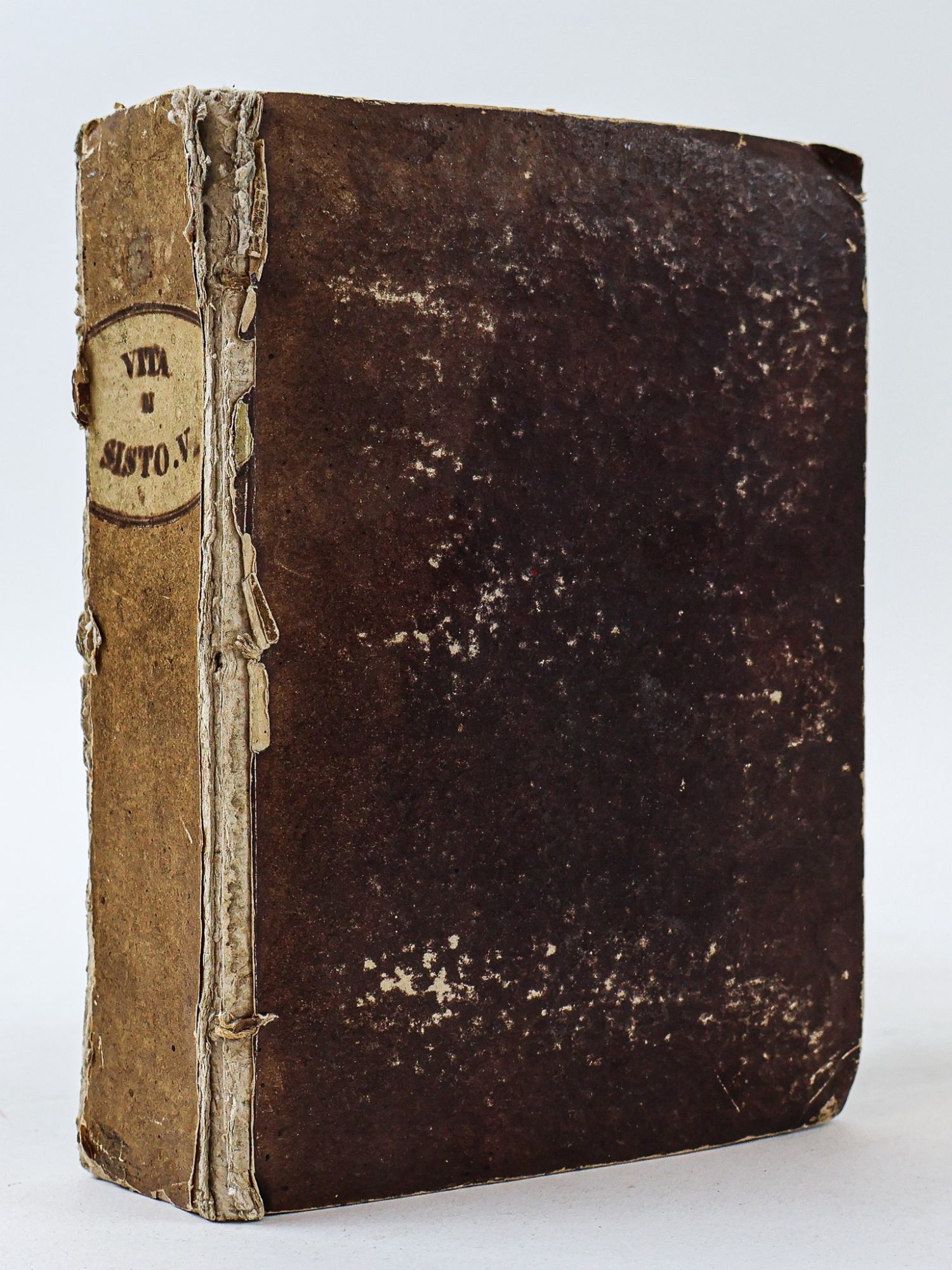
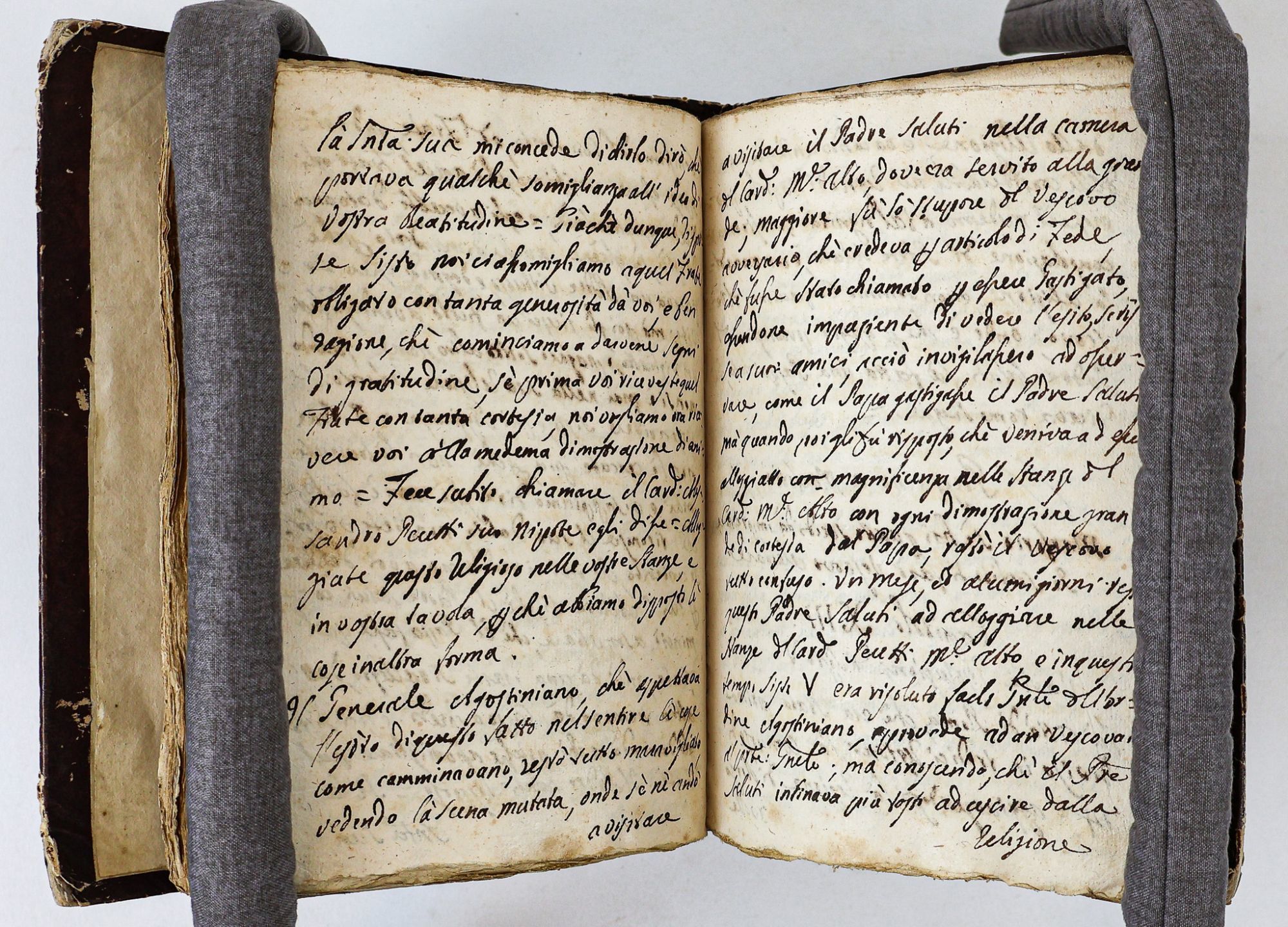
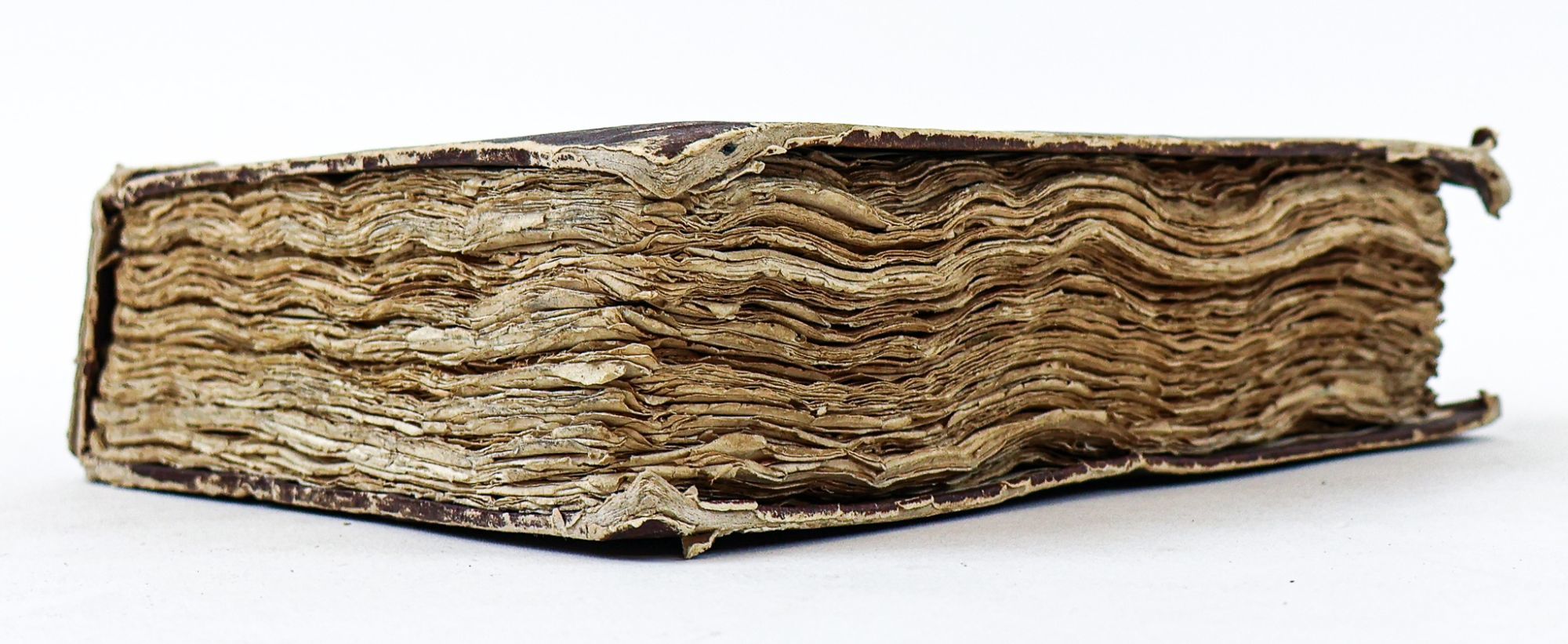
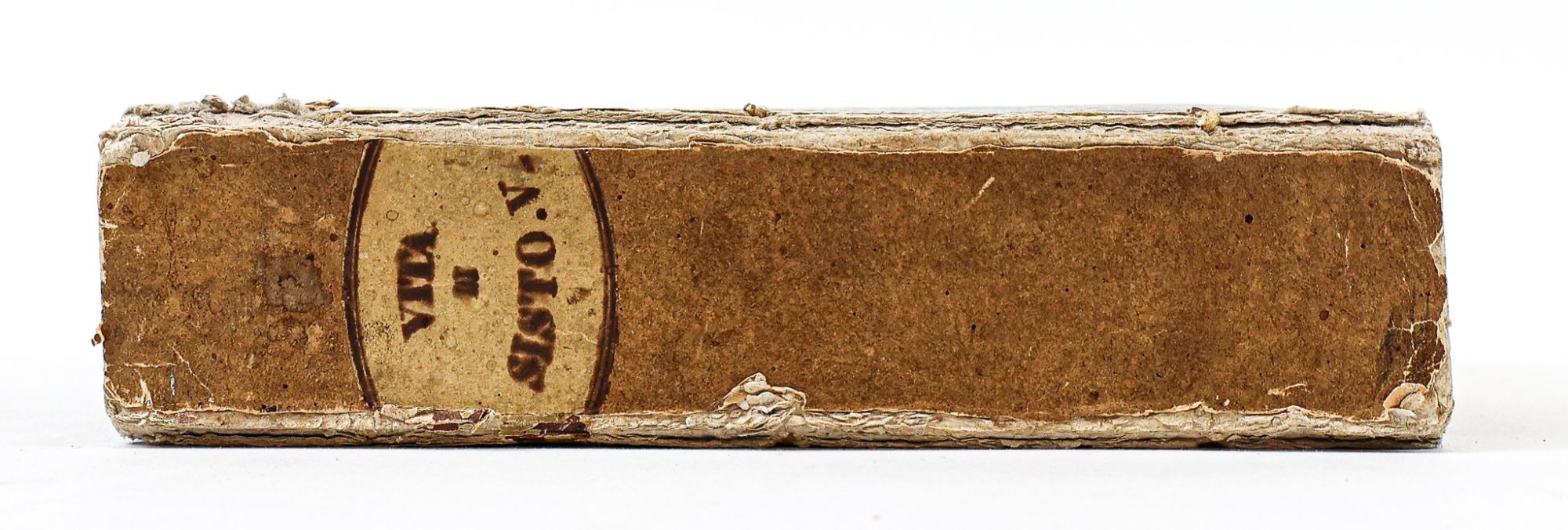
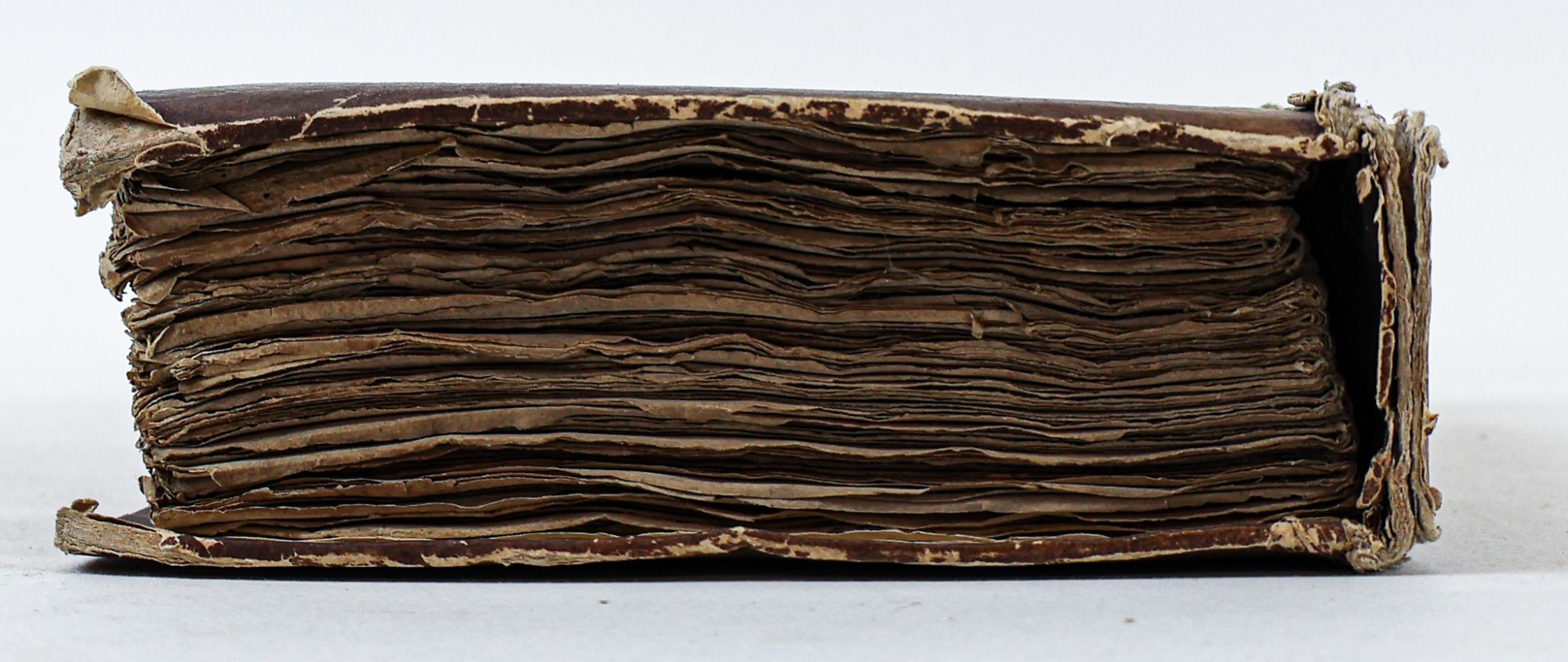
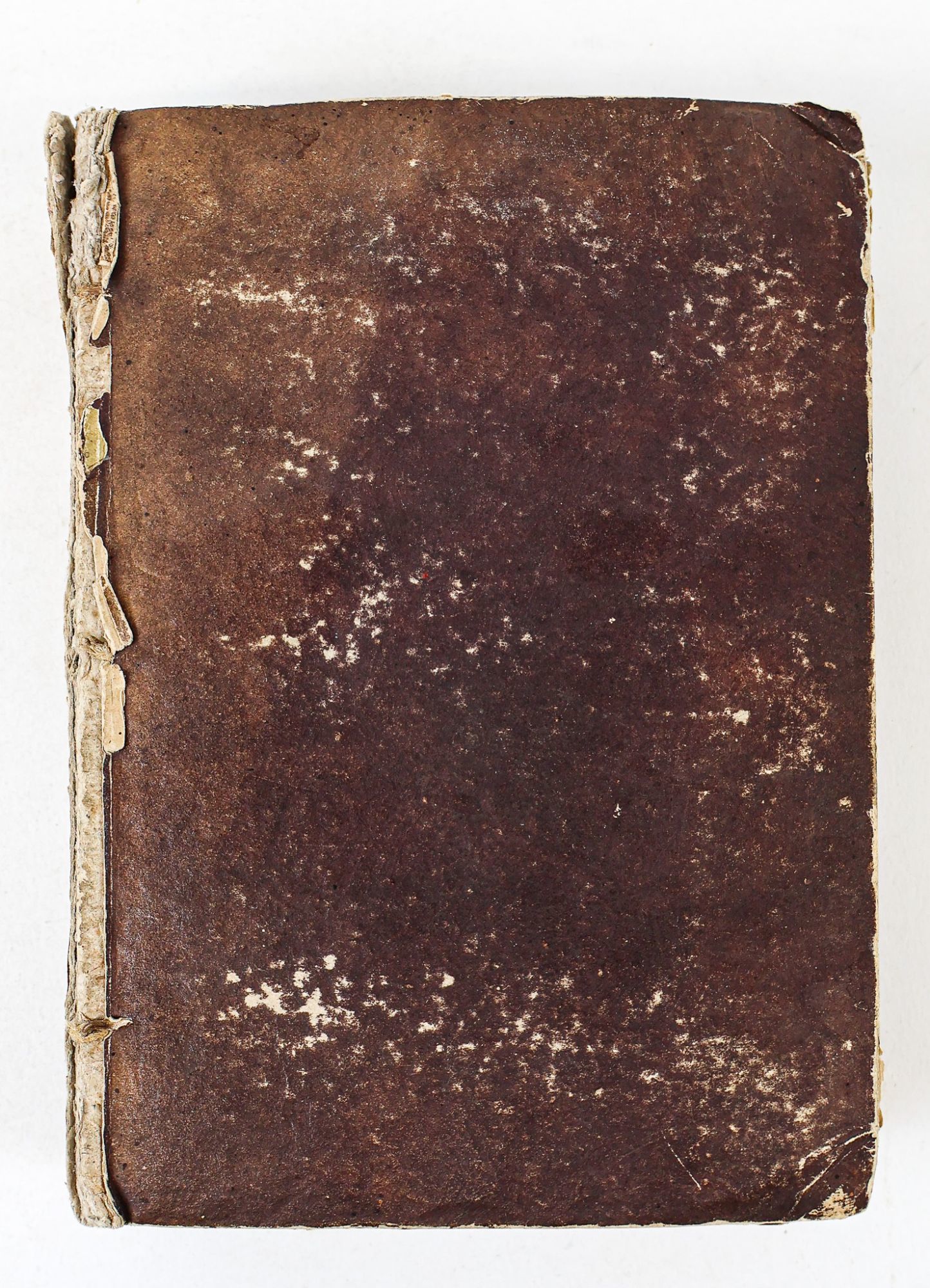
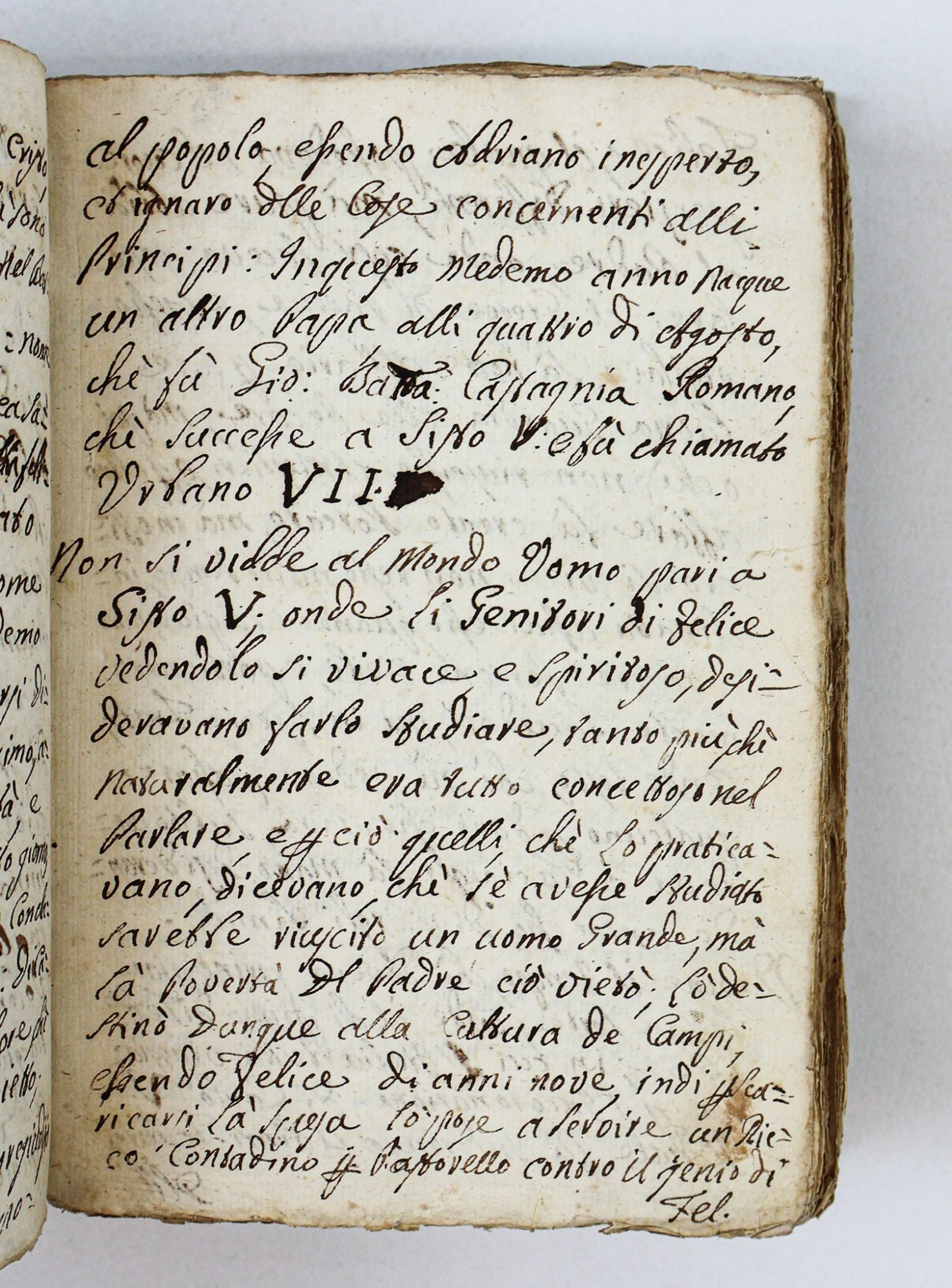
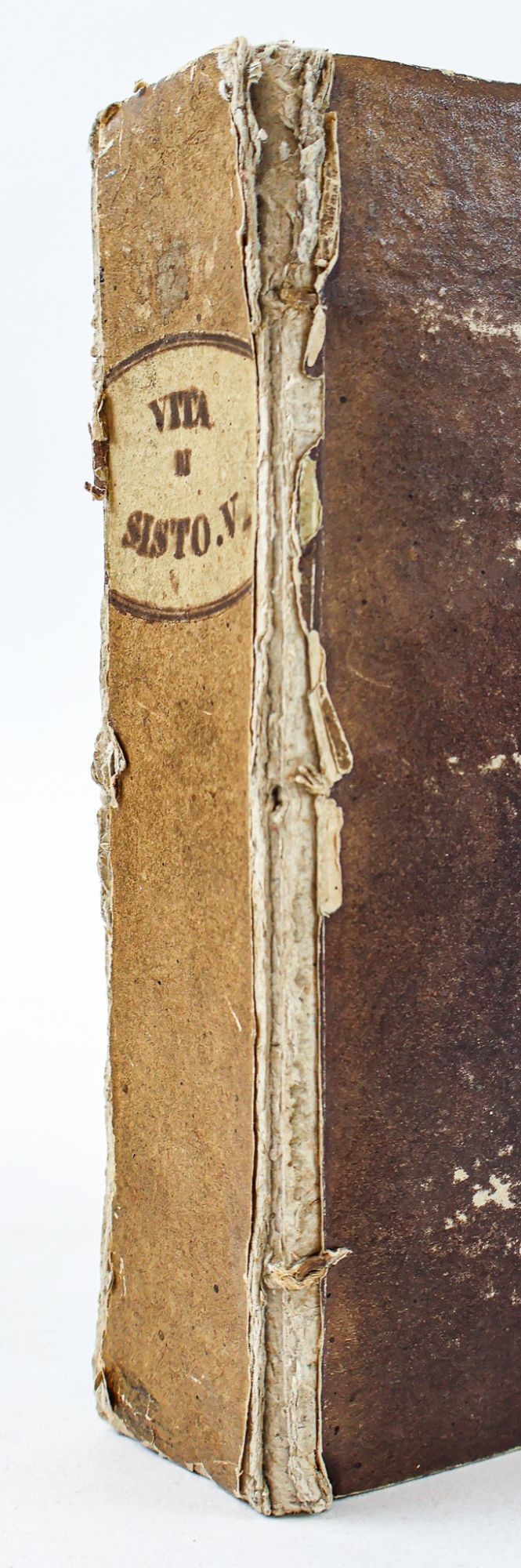
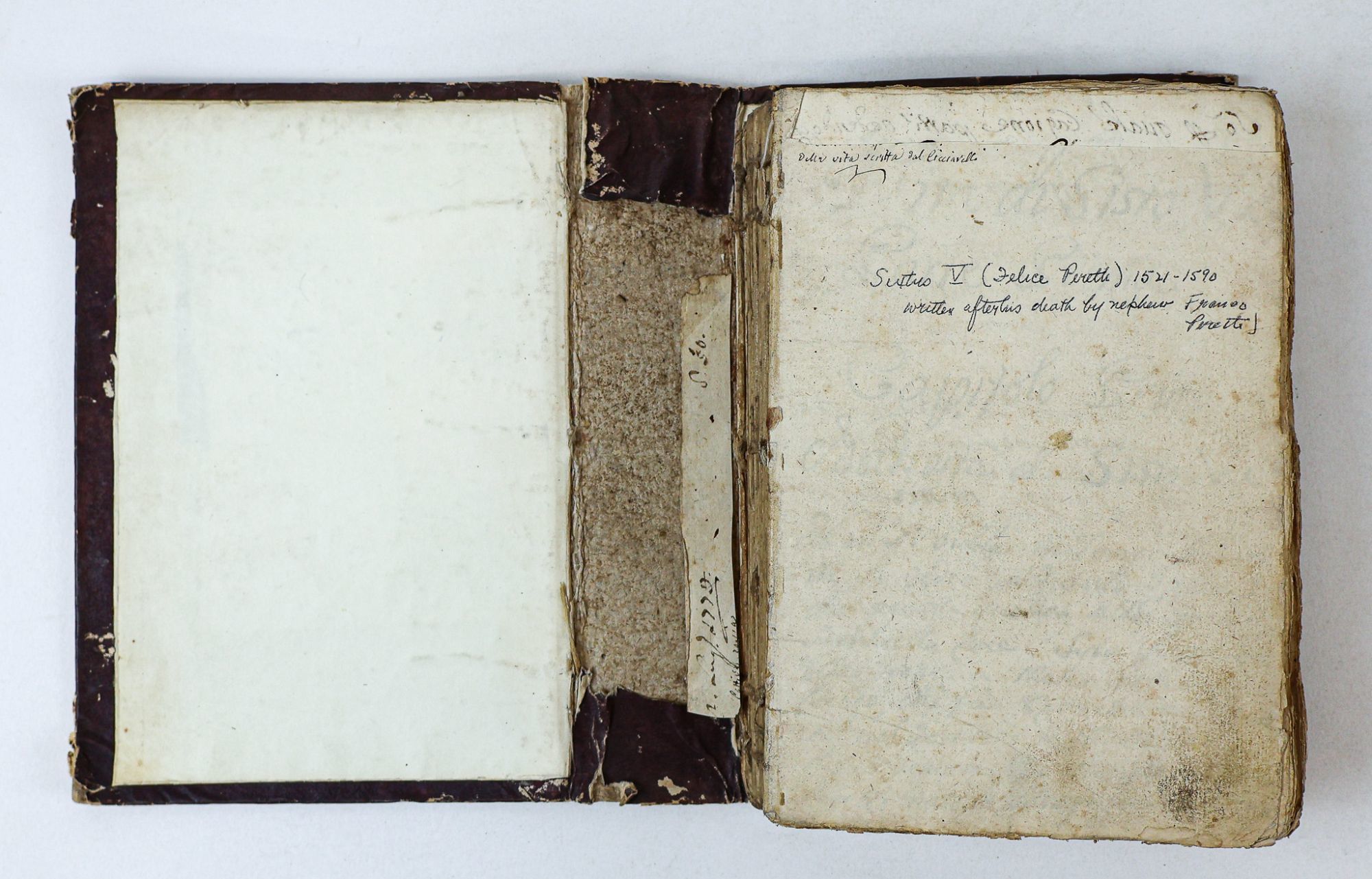
[n.p.], [c. 1700]. Hardcover. Octavo, [2], [620 pages] (unpaginated; 310 leaves). In Good condition. Manuscript in ink, appearing to date to the late 17th- or early 18th century. Italian Language. Bound in 19th-century brown-paper boards. Boards show significant wear to edges, especially along joints. Text block nearly disbound from boards, but all pages apparently present. Text in a consistent cursive hand, legible with occasional dialectal features. Light age toning and minor wear to text block edges.
The manuscript preserves a full-scale vernacular biography of Pope Sixtus V (Felice Peretti, 1521–1590) in four parts (parte) further subdivided into chapters (capitolo). This comprises the bulk of the codex (pp. 1–594). This vita belongs to the long-form narrative tradition also represented in Vatican Barberini Lat. 4971 and related codices, marked by its opening formula (“Nacque Sisto V nella Marca, cioè nel Castello delle Grotte…”) and by the inclusion of contemporary anecdotes, satirical pasquinate, and popular commentary. The copyist has added a distinctive opening homage (“Non si vidde né tempi passati né si vedrà in futuro Istoria che l’eguagli…”) not found in other witnesses.
Two appended sections follow the biography:
Sentenze di Sisto V dette in varie occasioni, raccolte da certi messeri (pp. 595–599). A collection of 27 aphoristic sayings attributed to the pontiff, paralleled in Vat. lat. 9721 and the Sentenze tradition.(1982).
Relazione della morte di Francesco Peretti, nipote di Sisto V (pp. 600–619). An account of the murder of Sixtus’ nephew Francesco (Franco) Peretti, a common appendix in this branch of the tradition.
Shelved Room A. This is an Italian vernacular manuscript copy of the Life of Pope Sixtus V, Pope from 1585 to 1590. The text records the life and deeds of Felice Peretti, the friar who rose from humble beginnings to become a Pope celebrated for his administrative reforms, infrastructural projects in Rome, and fierce defense of ecclesiastical authority.
The handwriting style is suggestive late 17th-century or early 18th-century chancery script. Characteristic features include long, sinuous ascenders, looped descenders, and the fluid ligaturing of common letter pairs, all of which reflect the formal administrative hands then employed in legal and notarial contexts. While in the cancelleresca cursive tradition (with elongated ascenders, a consistent long ſ, and looped h and p) which originated in the late 16th-century, the execution here is looser and more provinicial point to a vernacular or monastic copyist in the early 18th-century.
A contemporary note on the front free end page attributes the work to Cicciarelli (likely a reference to Antonio Ciccarelli, d. 1599, continuator of Platina’s Vitae Pontificum). No surviving catalogued manuscript of this branch, including Barberini 4971 and its siblings, explicitly names Ciccarelli, and modern inventories treat the authorship of these manuscripts as anonymous. The present attribution may reflect a scribal or local tradition recognizing Ciccarelli’s authority as an early biographer of Sixtus V.
. 1402628. Special Collections.
The manuscript preserves a full-scale vernacular biography of Pope Sixtus V (Felice Peretti, 1521–1590) in four parts (parte) further subdivided into chapters (capitolo). This comprises the bulk of the codex (pp. 1–594). This vita belongs to the long-form narrative tradition also represented in Vatican Barberini Lat. 4971 and related codices, marked by its opening formula (“Nacque Sisto V nella Marca, cioè nel Castello delle Grotte…”) and by the inclusion of contemporary anecdotes, satirical pasquinate, and popular commentary. The copyist has added a distinctive opening homage (“Non si vidde né tempi passati né si vedrà in futuro Istoria che l’eguagli…”) not found in other witnesses.
Two appended sections follow the biography:
Sentenze di Sisto V dette in varie occasioni, raccolte da certi messeri (pp. 595–599). A collection of 27 aphoristic sayings attributed to the pontiff, paralleled in Vat. lat. 9721 and the Sentenze tradition.(1982).
Relazione della morte di Francesco Peretti, nipote di Sisto V (pp. 600–619). An account of the murder of Sixtus’ nephew Francesco (Franco) Peretti, a common appendix in this branch of the tradition.
Shelved Room A. This is an Italian vernacular manuscript copy of the Life of Pope Sixtus V, Pope from 1585 to 1590. The text records the life and deeds of Felice Peretti, the friar who rose from humble beginnings to become a Pope celebrated for his administrative reforms, infrastructural projects in Rome, and fierce defense of ecclesiastical authority.
The handwriting style is suggestive late 17th-century or early 18th-century chancery script. Characteristic features include long, sinuous ascenders, looped descenders, and the fluid ligaturing of common letter pairs, all of which reflect the formal administrative hands then employed in legal and notarial contexts. While in the cancelleresca cursive tradition (with elongated ascenders, a consistent long ſ, and looped h and p) which originated in the late 16th-century, the execution here is looser and more provinicial point to a vernacular or monastic copyist in the early 18th-century.
A contemporary note on the front free end page attributes the work to Cicciarelli (likely a reference to Antonio Ciccarelli, d. 1599, continuator of Platina’s Vitae Pontificum). No surviving catalogued manuscript of this branch, including Barberini 4971 and its siblings, explicitly names Ciccarelli, and modern inventories treat the authorship of these manuscripts as anonymous. The present attribution may reflect a scribal or local tradition recognizing Ciccarelli’s authority as an early biographer of Sixtus V.
. 1402628. Special Collections.