

Doctor Warrick's Daughters
- New York: Harper & Brothers, 1896
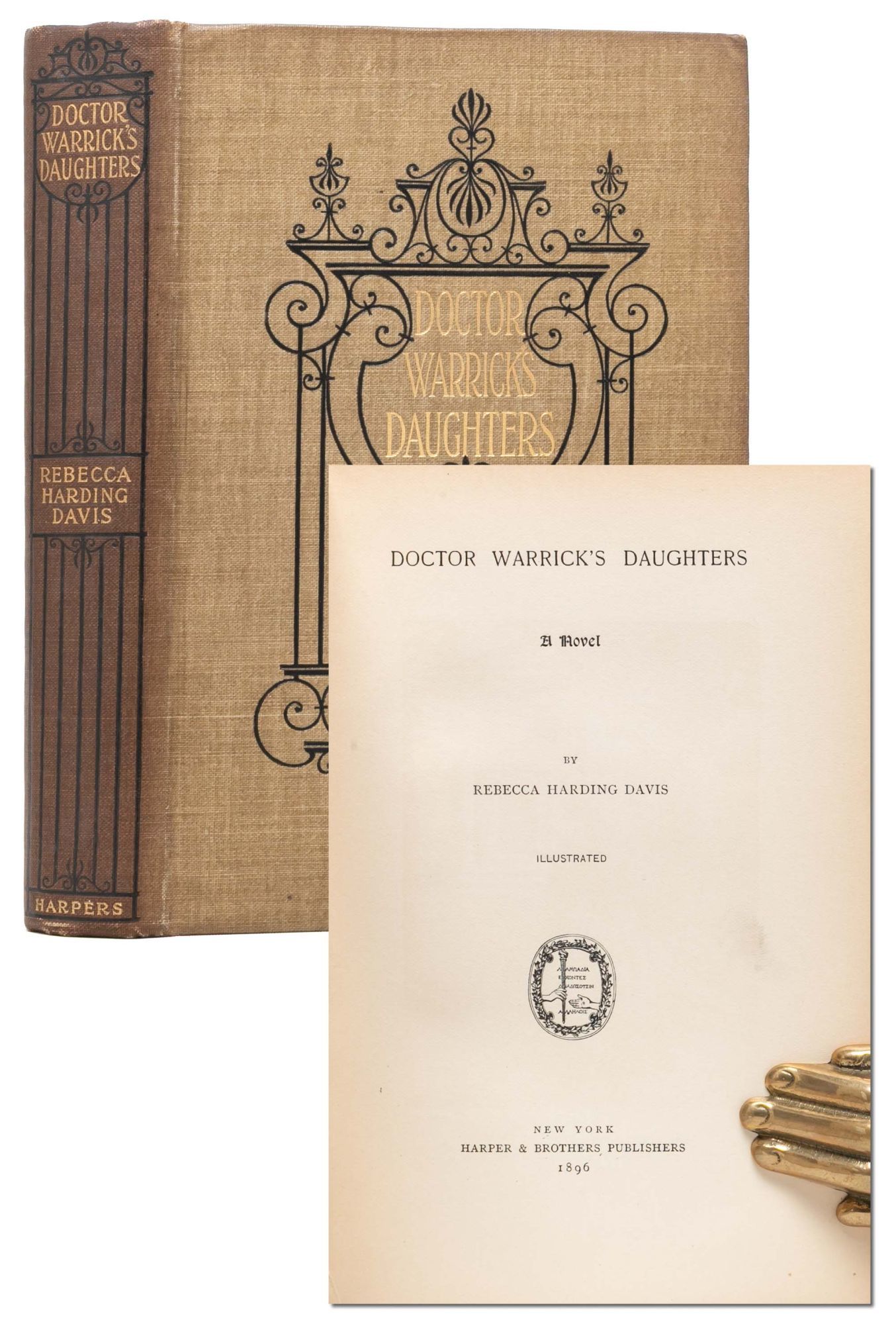
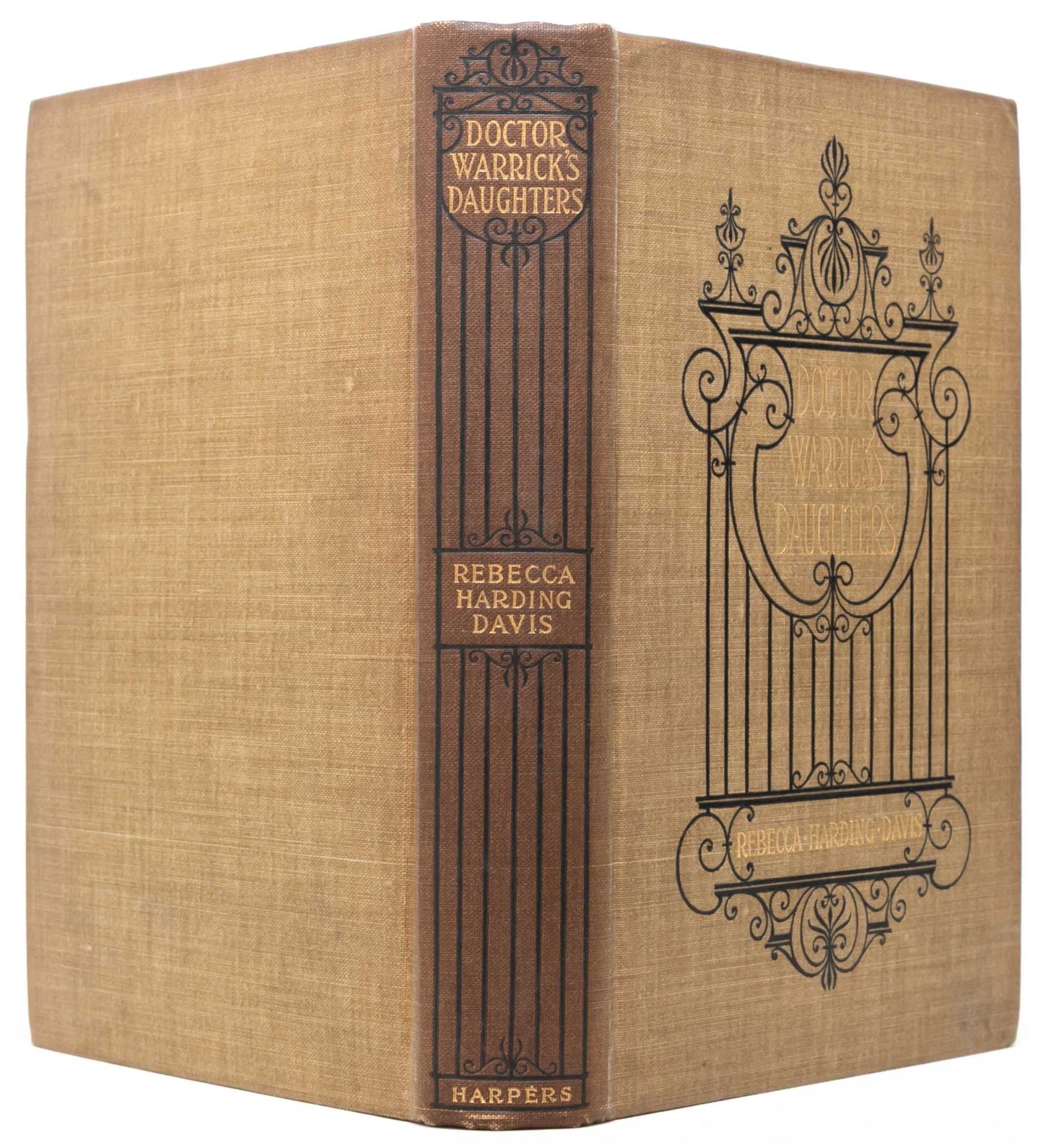
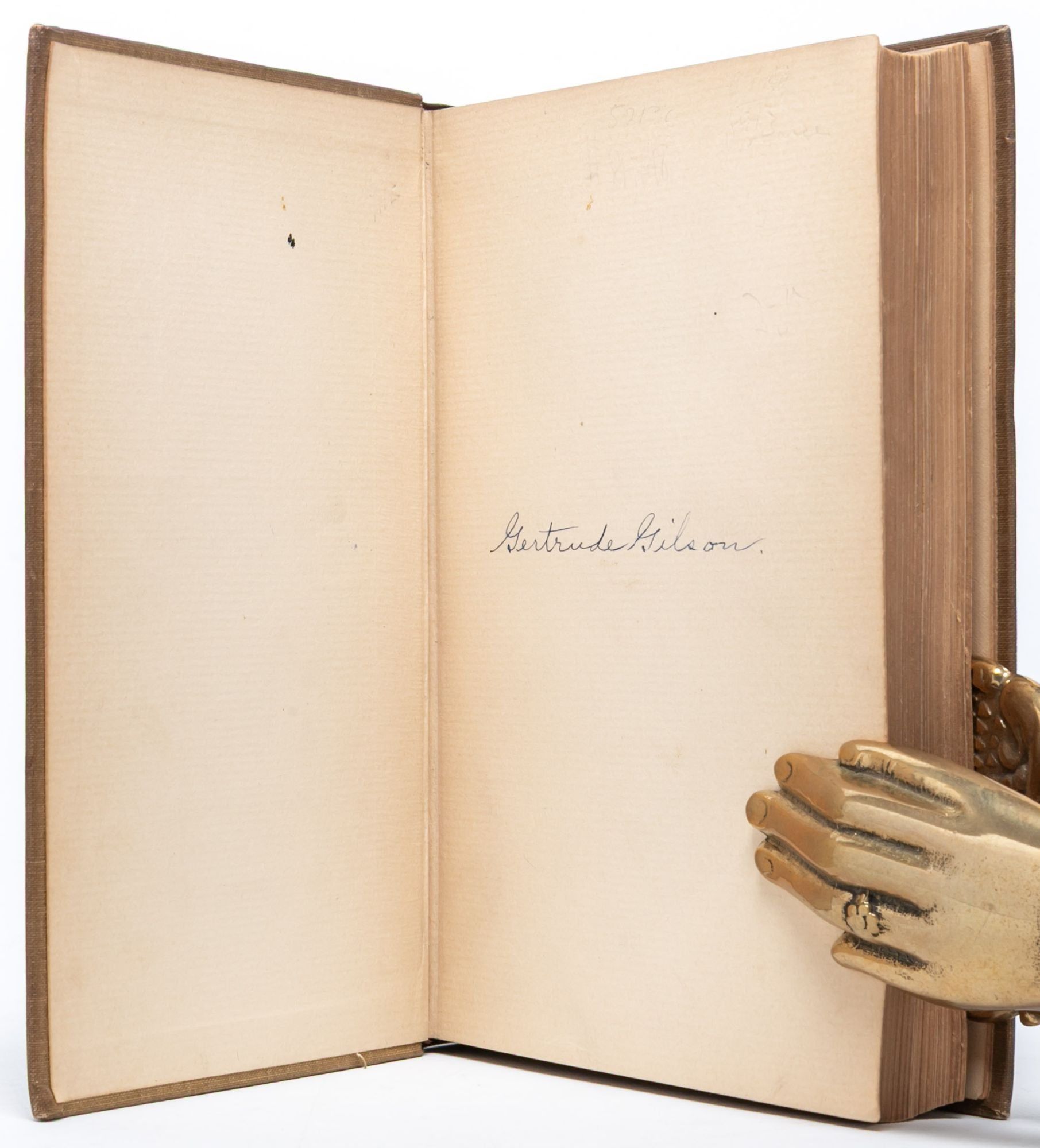
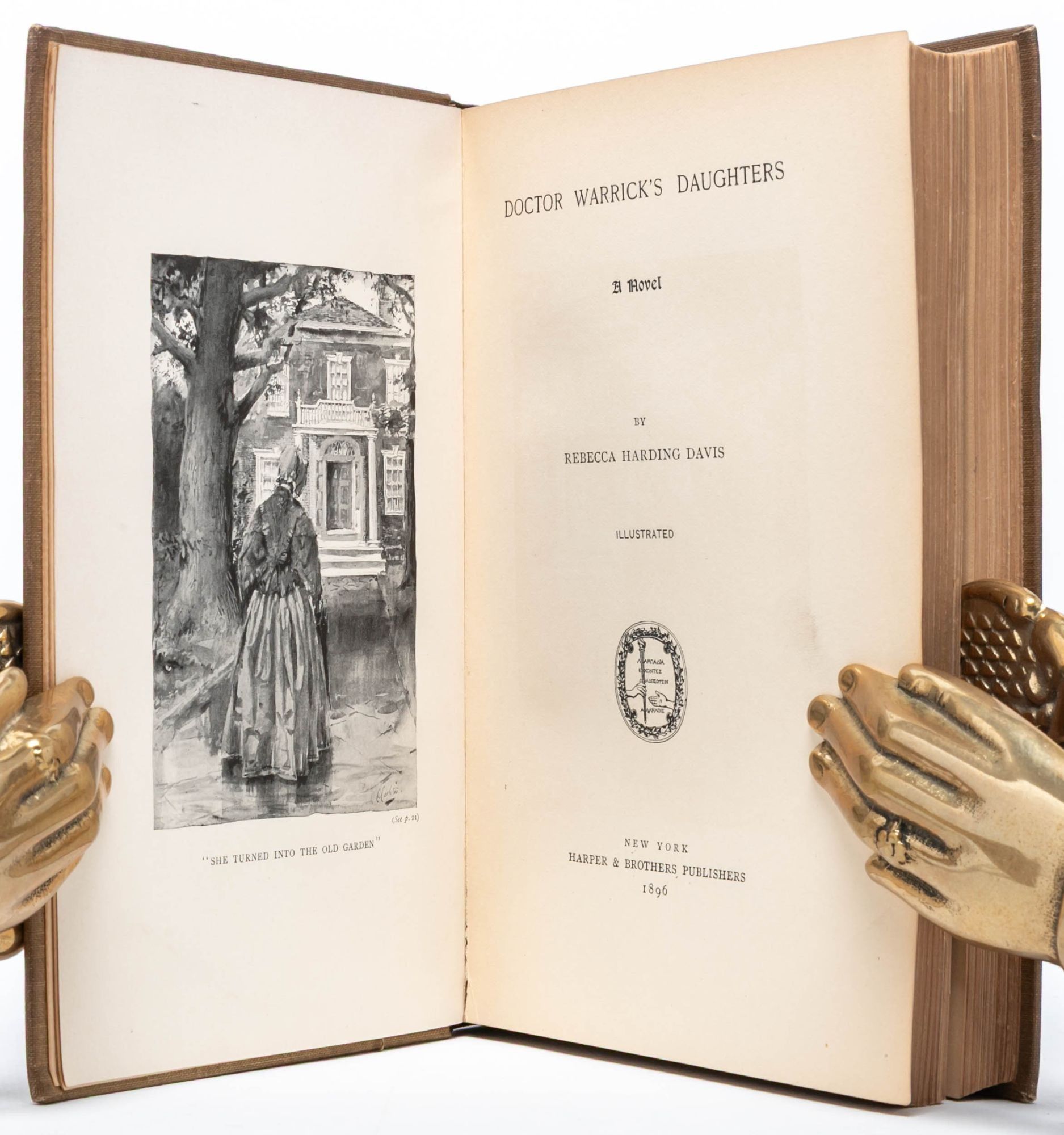
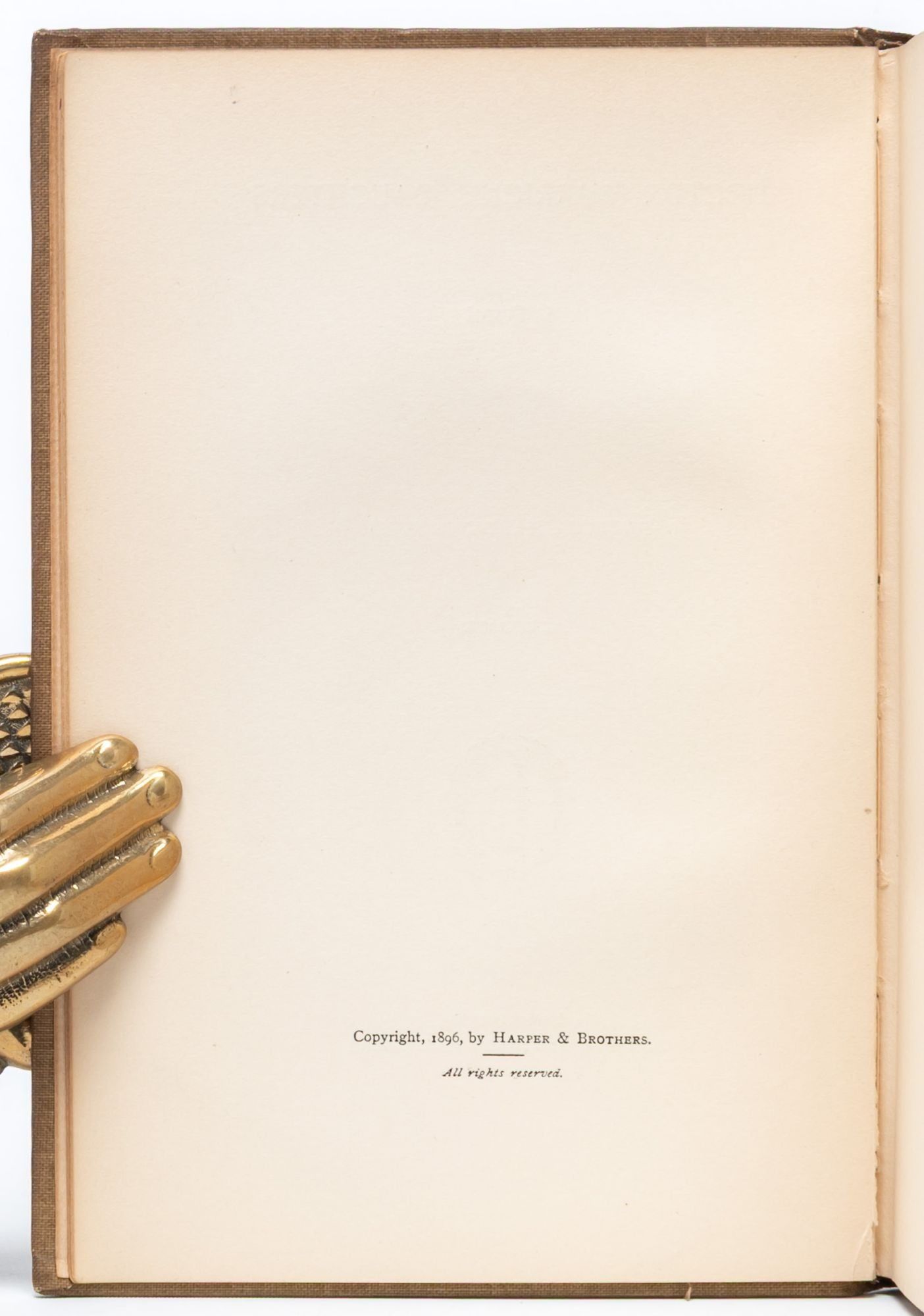
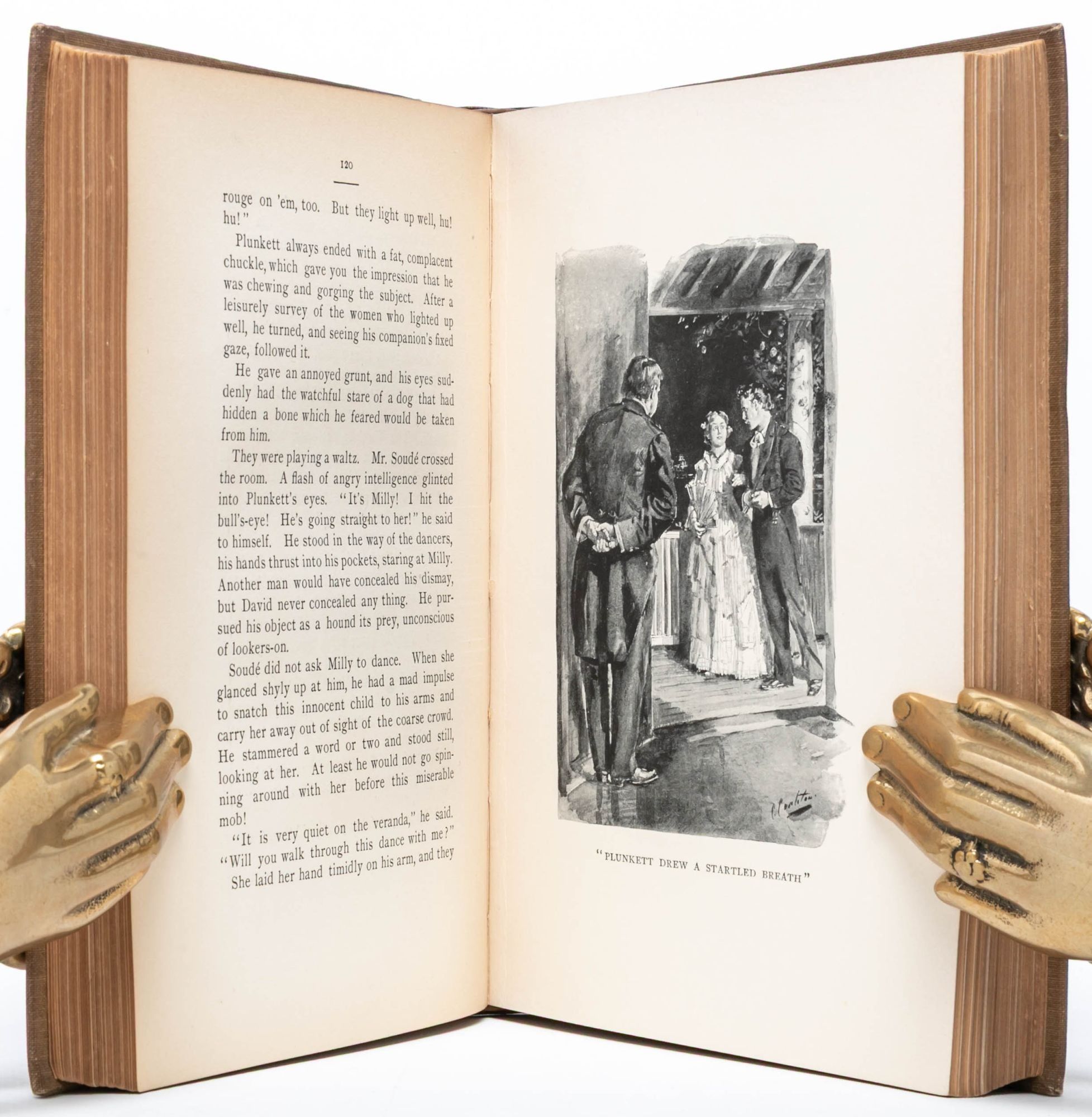
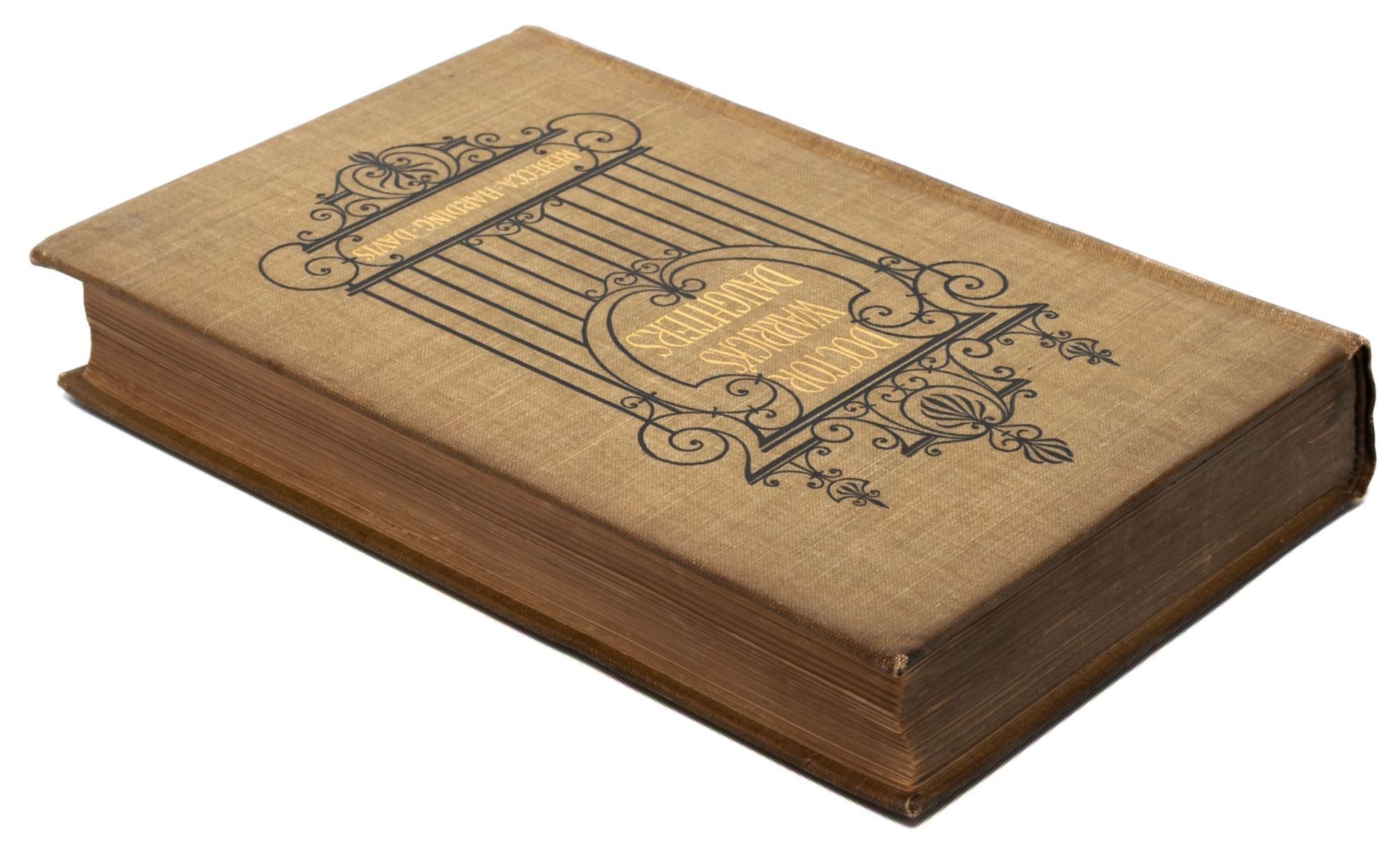
New York: Harper & Brothers, 1896. First edition. Near Fine. Complete with fifteen plates (including frontispiece). [6], 301, [2, ads] pp. Publisher's olive cloth stamped in black and gilt. Spine toned. Contemporary ink ownership inscription (Gertrude Gilson) to upper flyleaf. A clean, Near Fine copy with just a bit of marginal toning and some dustsoiling to top edge.
Rebecca Blaine Harding Davis (1831 – 1910), often labeled a "pioneer American realist," is best remembered for her story “Life in the Iron Mills,” which was published in the Atlantic Monthly in 1861. "Life in the Iron Mills" is "Davis’s best-known, most frequently reprinted, and most artistically successful work. This tragic story of the...'iron puddler' (furnace tender) Hugh Wolfe and his cousin Deb’s botched effort to free him from a stifling life of heavy labor and poverty has become emblematic of American realism and naturalism" (ANB). Davis was inspired by her hometown of Wheeling, Virginia (now West Virginia), a chaotic border area wracked by the Civil War, and by the daily stresses of working-class existence: she sought to portray the "commonplace...vulgar American life" in her writing, sometimes at odds with the requests of her publishers to produce more optimistic stories. She was a prolific writer, producing ten books and hundreds of contributions to periodicals including the Atlantic Monthly, Scribner’s, Lippincott’s, Harper’s Monthly, The Saturday Evening Post, and particularly the New York Tribune, which regularly published her articles and editorials for twenty years.
Doctor Warrick's Daughters explores the dynamics between the Warrick sisters and their mother Sarah while Dr. Warrick is away working as a surgeon for the Union Army. Upon their father's return, the sisters are expected to enter society – a challenge after the family falls into isolation and genteel poverty over the course of the war. Davis portrays the small-town Pennsylvania setting with a regionalist's eye and examines the quotidian effects of the Civil War, class and poverty, and "feminist questions of women’s role (or 'work' in Davis’s parlance) in modern industrial society" (ANB).
Not in Wright. Near Fine.
Rebecca Blaine Harding Davis (1831 – 1910), often labeled a "pioneer American realist," is best remembered for her story “Life in the Iron Mills,” which was published in the Atlantic Monthly in 1861. "Life in the Iron Mills" is "Davis’s best-known, most frequently reprinted, and most artistically successful work. This tragic story of the...'iron puddler' (furnace tender) Hugh Wolfe and his cousin Deb’s botched effort to free him from a stifling life of heavy labor and poverty has become emblematic of American realism and naturalism" (ANB). Davis was inspired by her hometown of Wheeling, Virginia (now West Virginia), a chaotic border area wracked by the Civil War, and by the daily stresses of working-class existence: she sought to portray the "commonplace...vulgar American life" in her writing, sometimes at odds with the requests of her publishers to produce more optimistic stories. She was a prolific writer, producing ten books and hundreds of contributions to periodicals including the Atlantic Monthly, Scribner’s, Lippincott’s, Harper’s Monthly, The Saturday Evening Post, and particularly the New York Tribune, which regularly published her articles and editorials for twenty years.
Doctor Warrick's Daughters explores the dynamics between the Warrick sisters and their mother Sarah while Dr. Warrick is away working as a surgeon for the Union Army. Upon their father's return, the sisters are expected to enter society – a challenge after the family falls into isolation and genteel poverty over the course of the war. Davis portrays the small-town Pennsylvania setting with a regionalist's eye and examines the quotidian effects of the Civil War, class and poverty, and "feminist questions of women’s role (or 'work' in Davis’s parlance) in modern industrial society" (ANB).
Not in Wright. Near Fine.