

The Mystery of Edwin Drood [Bound with:] John Jasper’s Secret
![The Mystery of Edwin Drood [Bound with:] John Jasp](https://d3525k1ryd2155.cloudfront.net/h/084/010/1702010084.0.x.jpg)
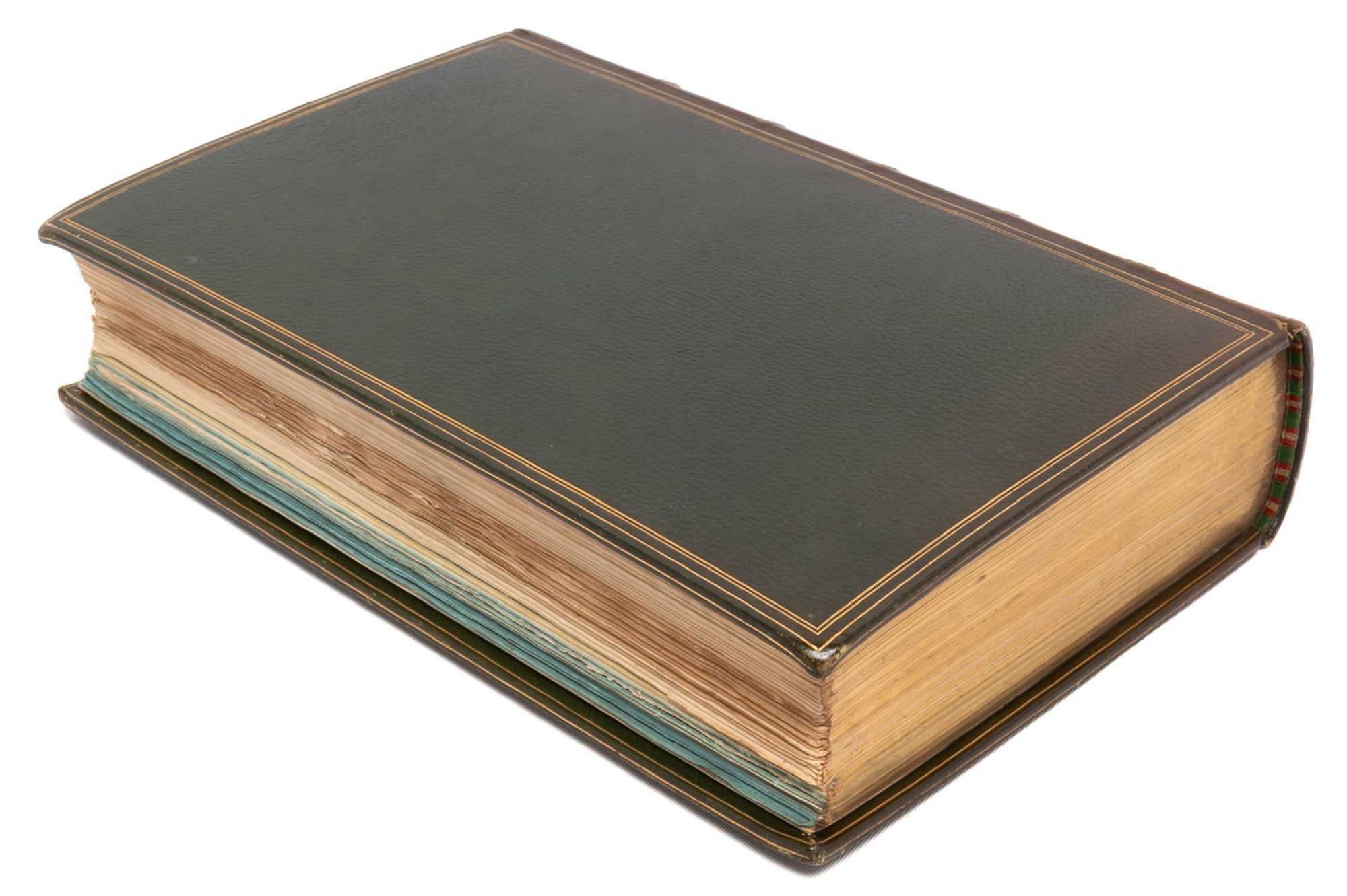
- London: Chapman and Hall, 1870
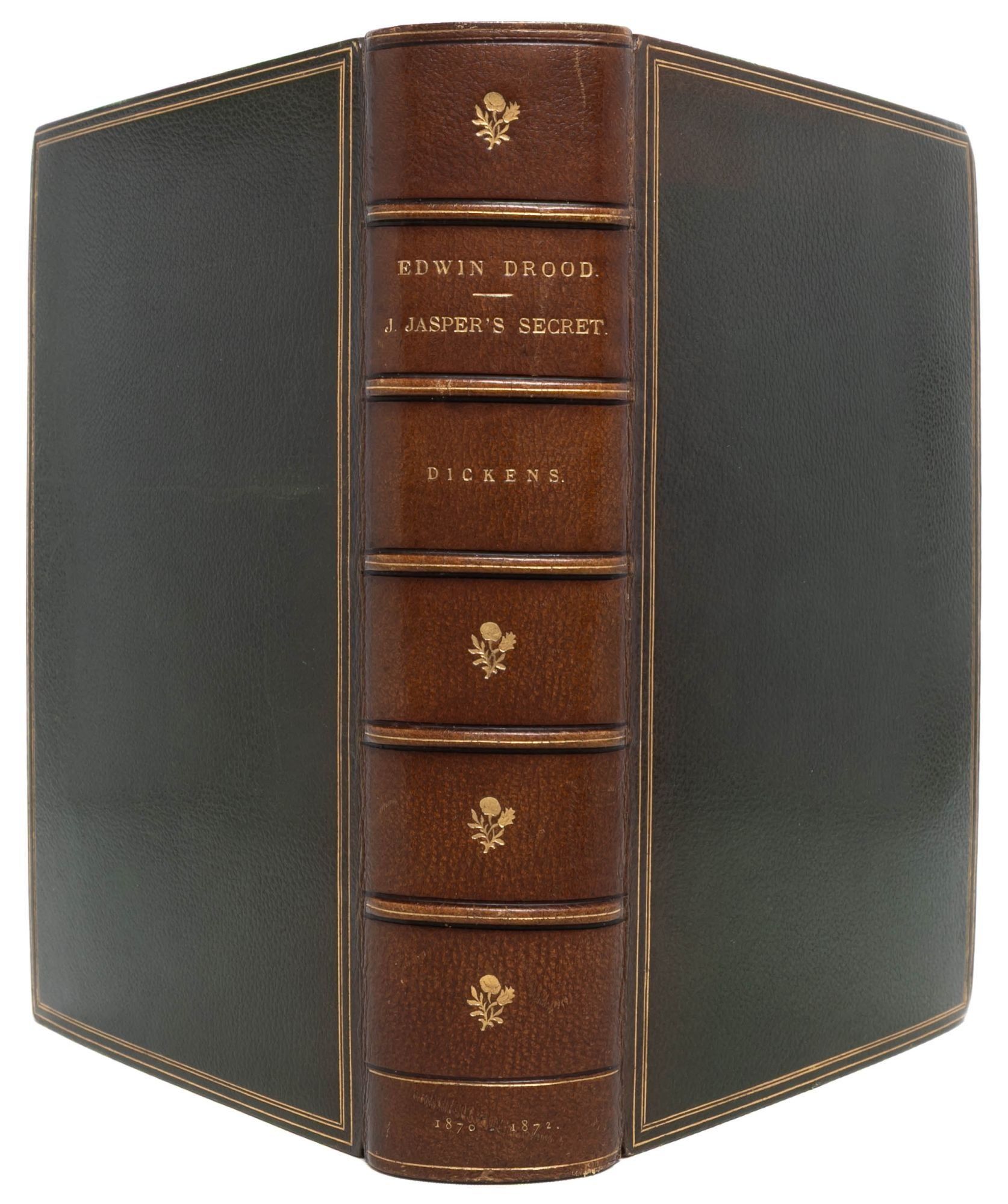
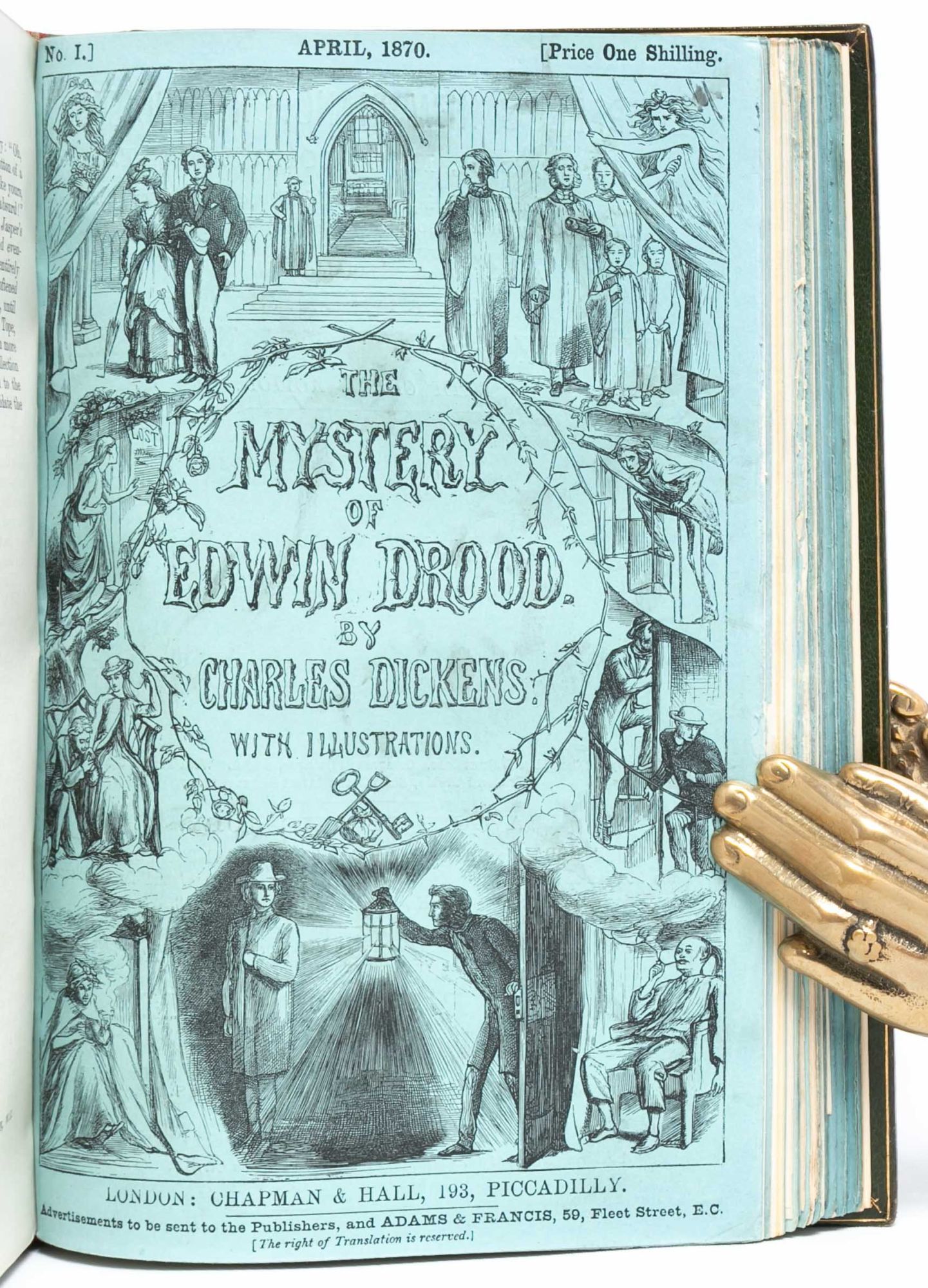
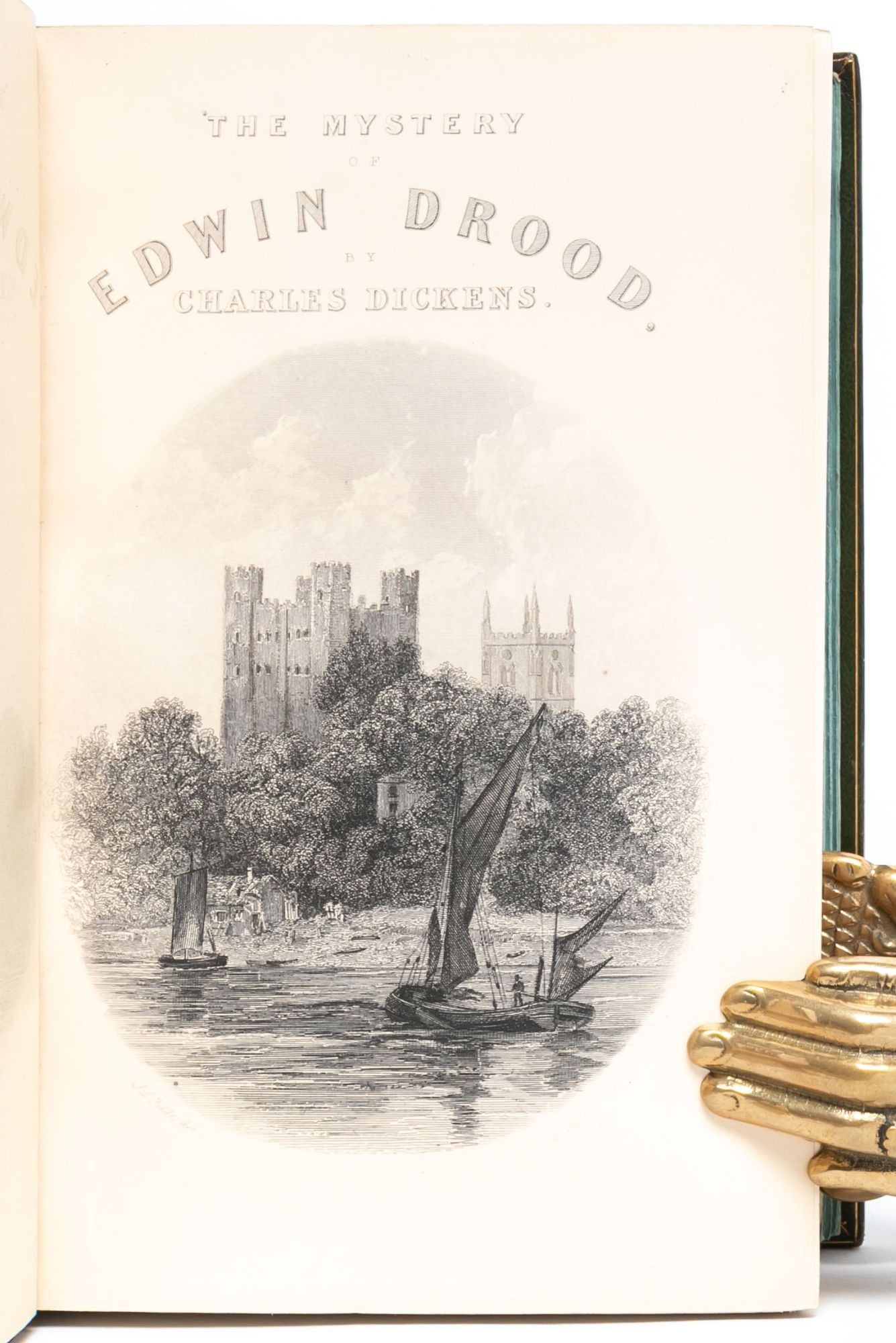
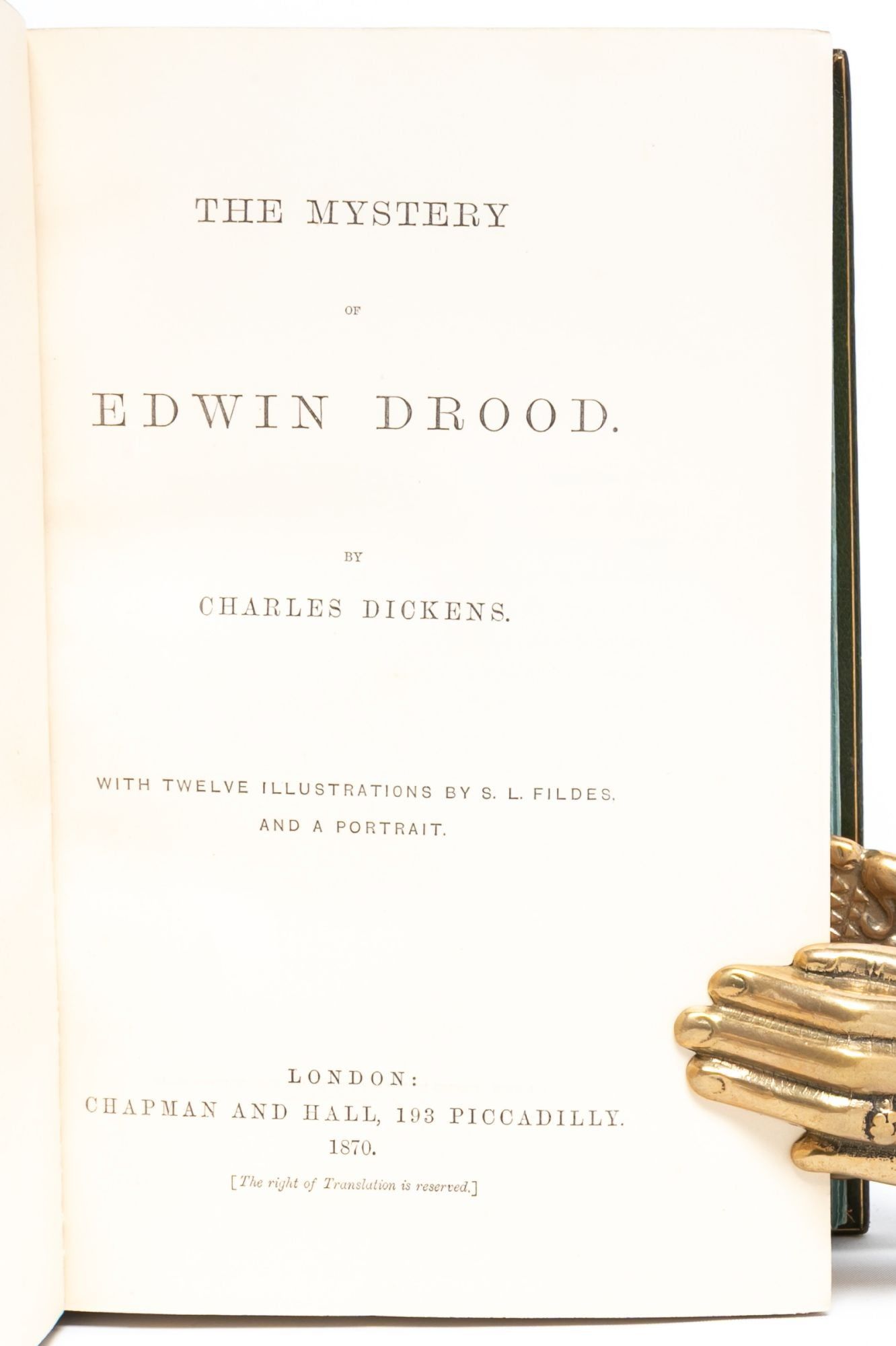
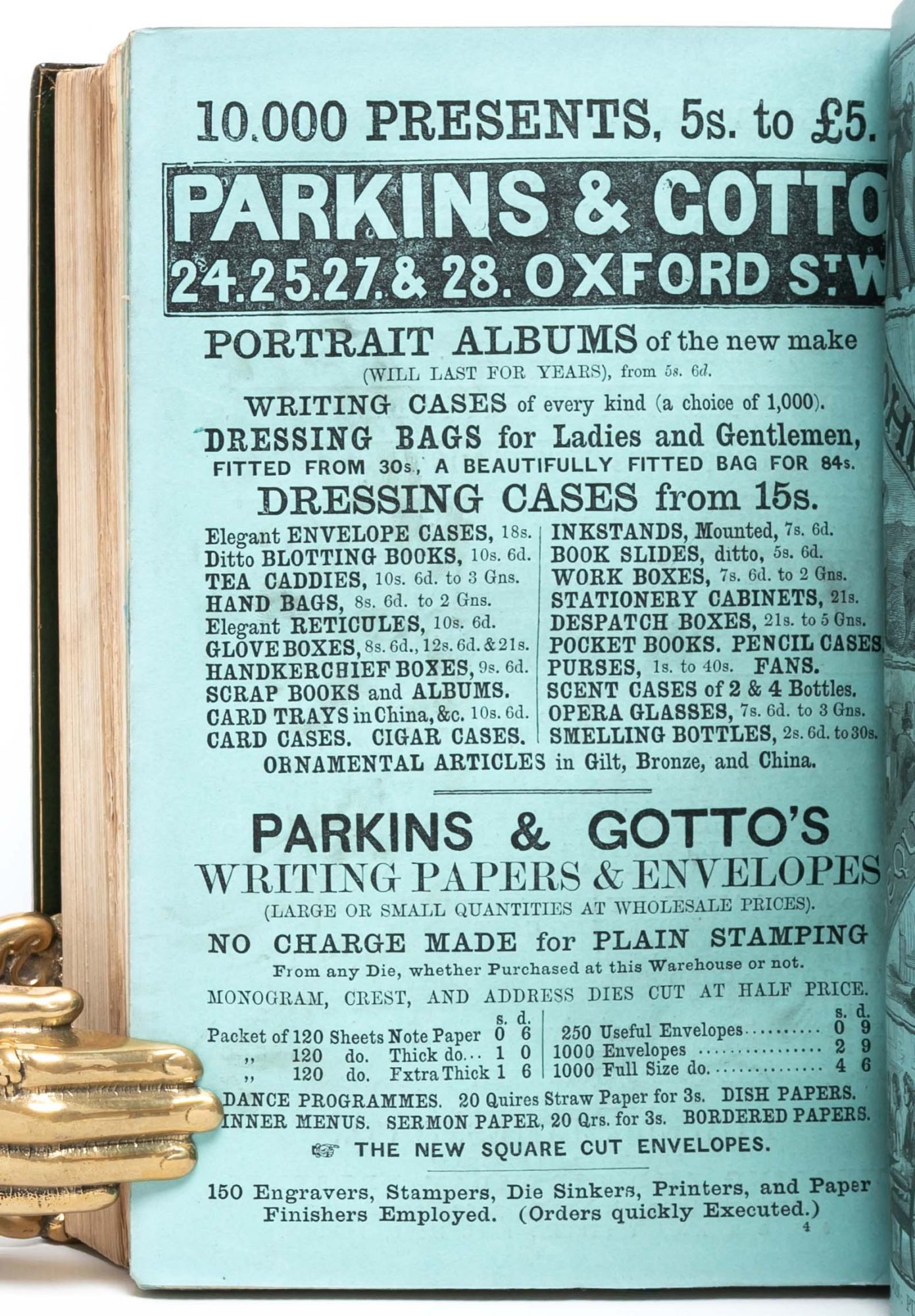
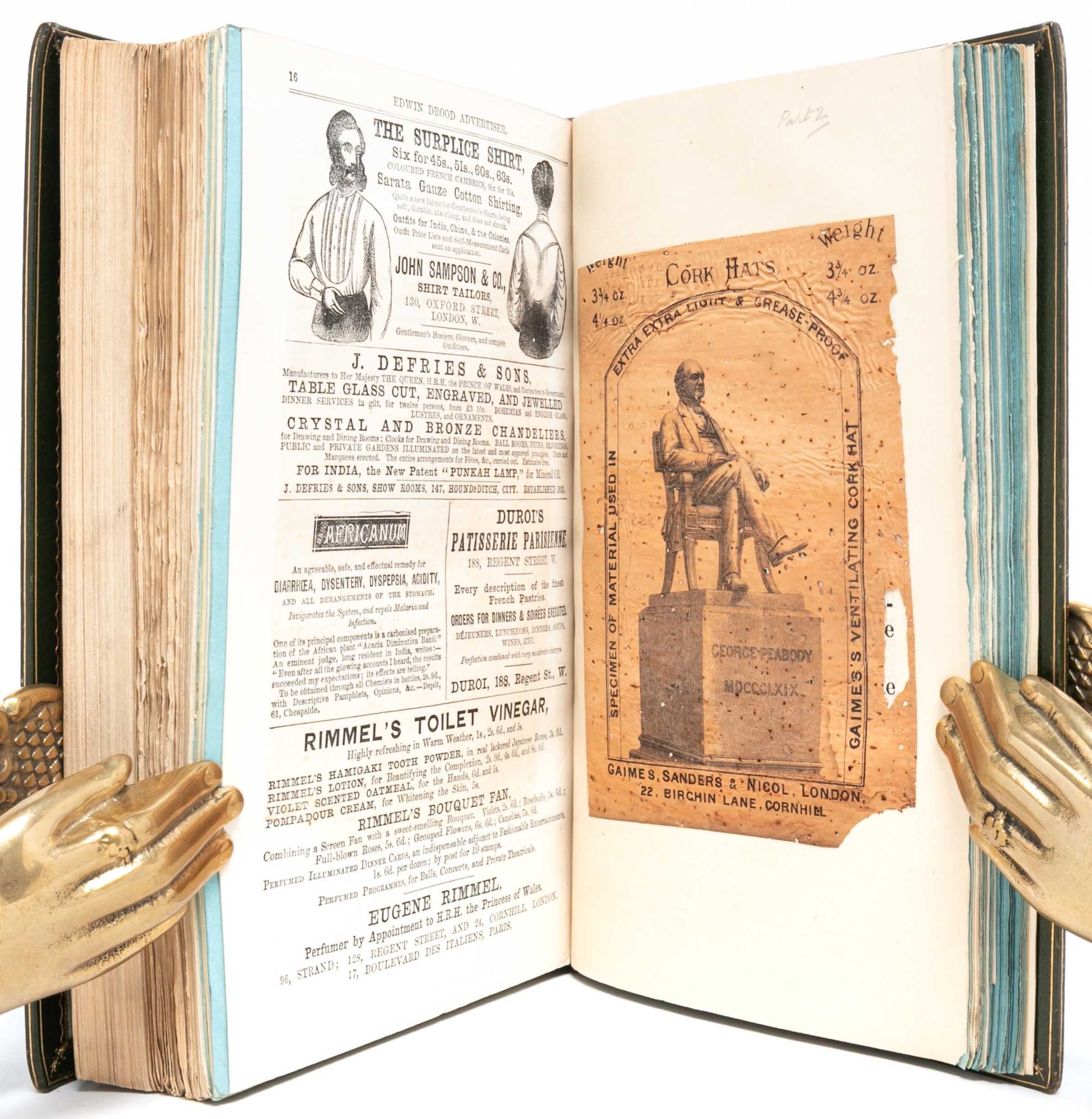
London: Chapman and Hall, 1870. First edition. Fine. Octavo (8 5/8 x 5 1/2 inches; 222 x 140 mm). vii, [1, “Illustrations”], 190 pp. Frontispiece portrait of Dickens (“Engraved by J.H. Baker, from a Photograph taken in 1868, by Mason & Co.”), wood-engraved vignette title by J. Brown, and twelve wood-engraved plates, two by the firm of Dalziel Brothers, ten by Charles Roberts, all after Samuel Luke Fildes. Bound from the original parts with all wrappers correct and the vast majority of the advertisements including "The Cork Hat"
Bound with John Jasper’s Secret: Being a Narrative of Certain Events Following and Explaining “The Mystery of Edwin Drood" (London: Publishing Offices, 1872), the first of many attempts to solve The Mystery of Edwin Drood. The work was written by the New York journalist Henry Morford (1823 - 1881) and his wife Blanche DeVon Patterson Morford (1822 - 1896).
First English edition (following the Philadelphia edition of the previous year) bound from the original parts with all wrappers correct and with substantially more advertisements than called for by Sadleir. Octavo (8 5/8 x 5 1/2 inches; 222 x 140 mm). [iv], 252 pp. Twenty wood-engraved plates. Page 251 is mispaginated 521 as called for.
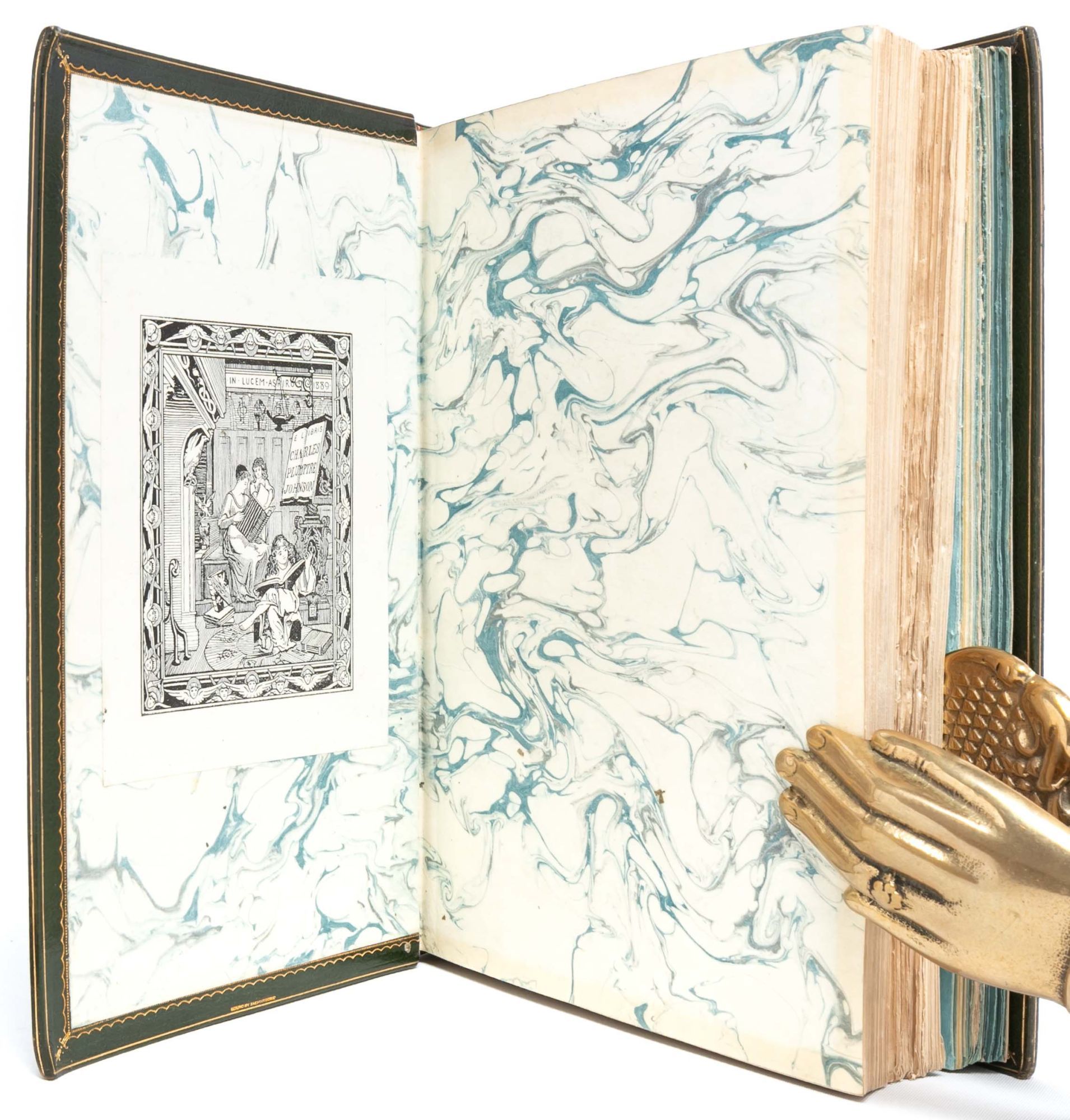
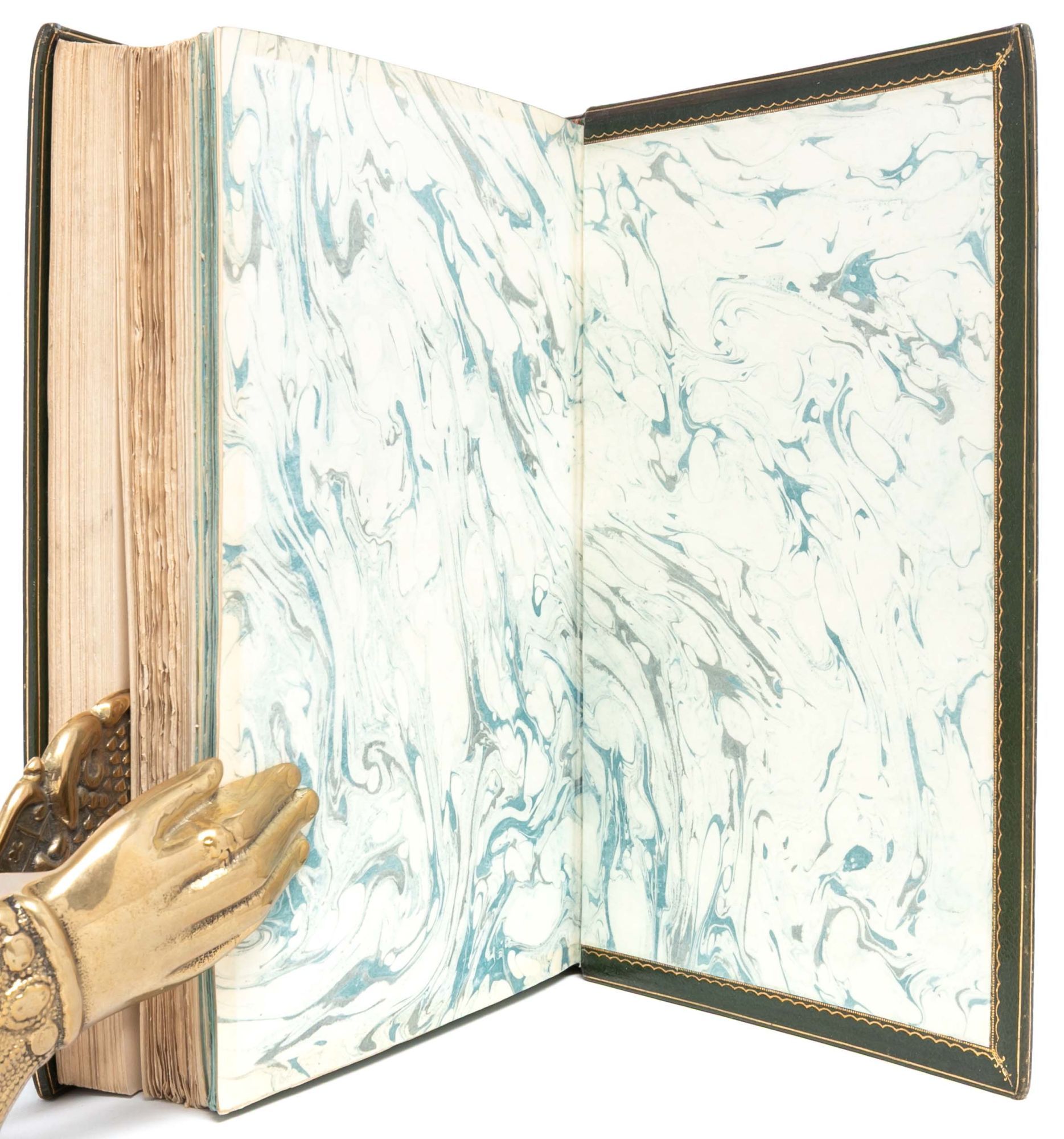
Bound by Zaehnsdorf ca. 1900 in full green morocco, covers ruled in gilt, spine with five raised bands, decoratively stamped and lettered in gilt in compartments, marbled endpapers, top edge gilt, others uncut. With the engraved bookplate of celebrated bibliographer and collector Charles Plumptre Johnson on front paste-down. Spine faded to olive green. Housed in a brown cloth slipcase. A Fine, clean example.
“When Dickens died on June 9, 1870, he had completed only enough of his manuscript to make up six installments, leaving unfinished a work which had commanded the widest attention for its opening numbers, and which promised to be one of his most effective and popular books. Although only three parts had been issued prior to his death, publication of the work continued, and on completion with Part 6 of all available material, the vast army of readers was left high and dry as to ‘The Mystery.' The Author during the writing of the story never disclosed the ultimate development of his plot” (Hatton and Cleaver).
Smith I, 16; Gimbel H330; Sadleir 705. Fine.
Bound with John Jasper’s Secret: Being a Narrative of Certain Events Following and Explaining “The Mystery of Edwin Drood" (London: Publishing Offices, 1872), the first of many attempts to solve The Mystery of Edwin Drood. The work was written by the New York journalist Henry Morford (1823 - 1881) and his wife Blanche DeVon Patterson Morford (1822 - 1896).
First English edition (following the Philadelphia edition of the previous year) bound from the original parts with all wrappers correct and with substantially more advertisements than called for by Sadleir. Octavo (8 5/8 x 5 1/2 inches; 222 x 140 mm). [iv], 252 pp. Twenty wood-engraved plates. Page 251 is mispaginated 521 as called for.
Bound by Zaehnsdorf ca. 1900 in full green morocco, covers ruled in gilt, spine with five raised bands, decoratively stamped and lettered in gilt in compartments, marbled endpapers, top edge gilt, others uncut. With the engraved bookplate of celebrated bibliographer and collector Charles Plumptre Johnson on front paste-down. Spine faded to olive green. Housed in a brown cloth slipcase. A Fine, clean example.
“When Dickens died on June 9, 1870, he had completed only enough of his manuscript to make up six installments, leaving unfinished a work which had commanded the widest attention for its opening numbers, and which promised to be one of his most effective and popular books. Although only three parts had been issued prior to his death, publication of the work continued, and on completion with Part 6 of all available material, the vast army of readers was left high and dry as to ‘The Mystery.' The Author during the writing of the story never disclosed the ultimate development of his plot” (Hatton and Cleaver).
Smith I, 16; Gimbel H330; Sadleir 705. Fine.