

Photo Album of a United Fruit Employee in Banes, Cuba, 1930s–1950s
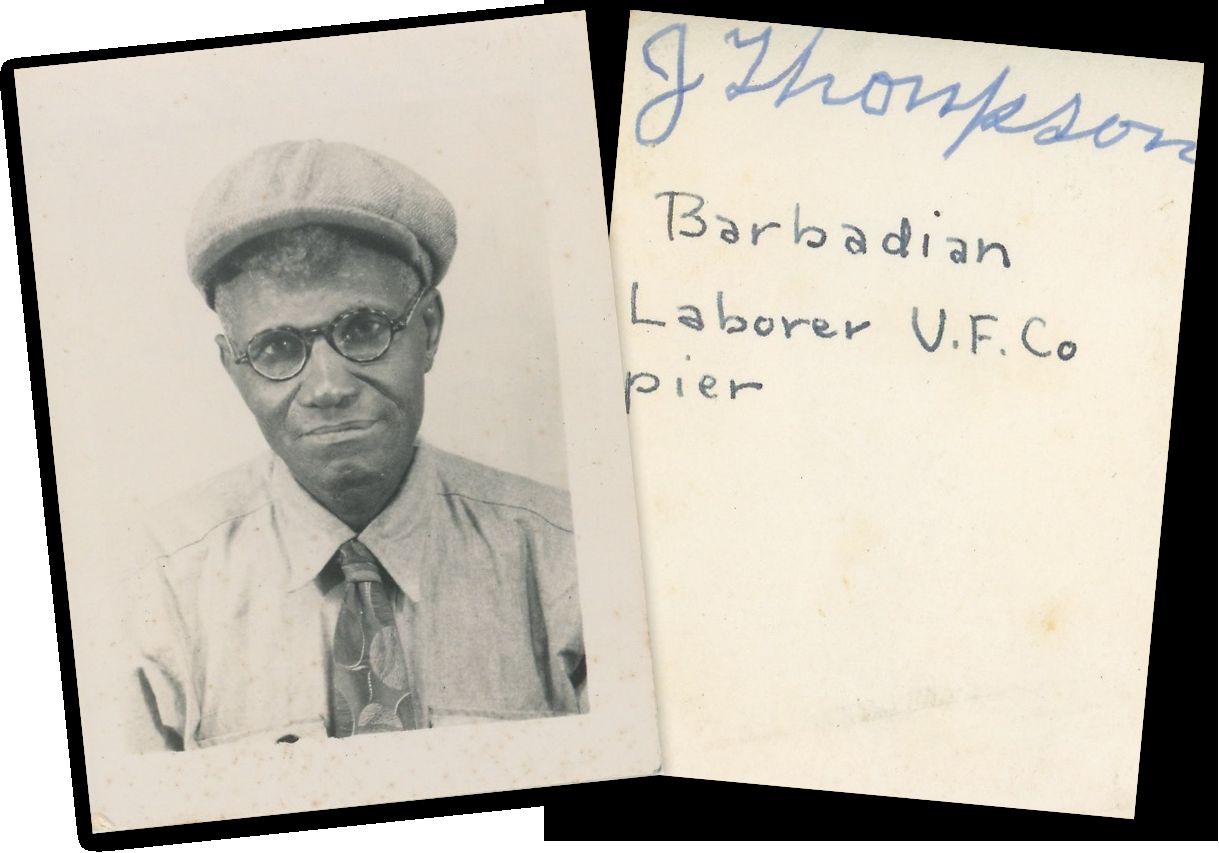
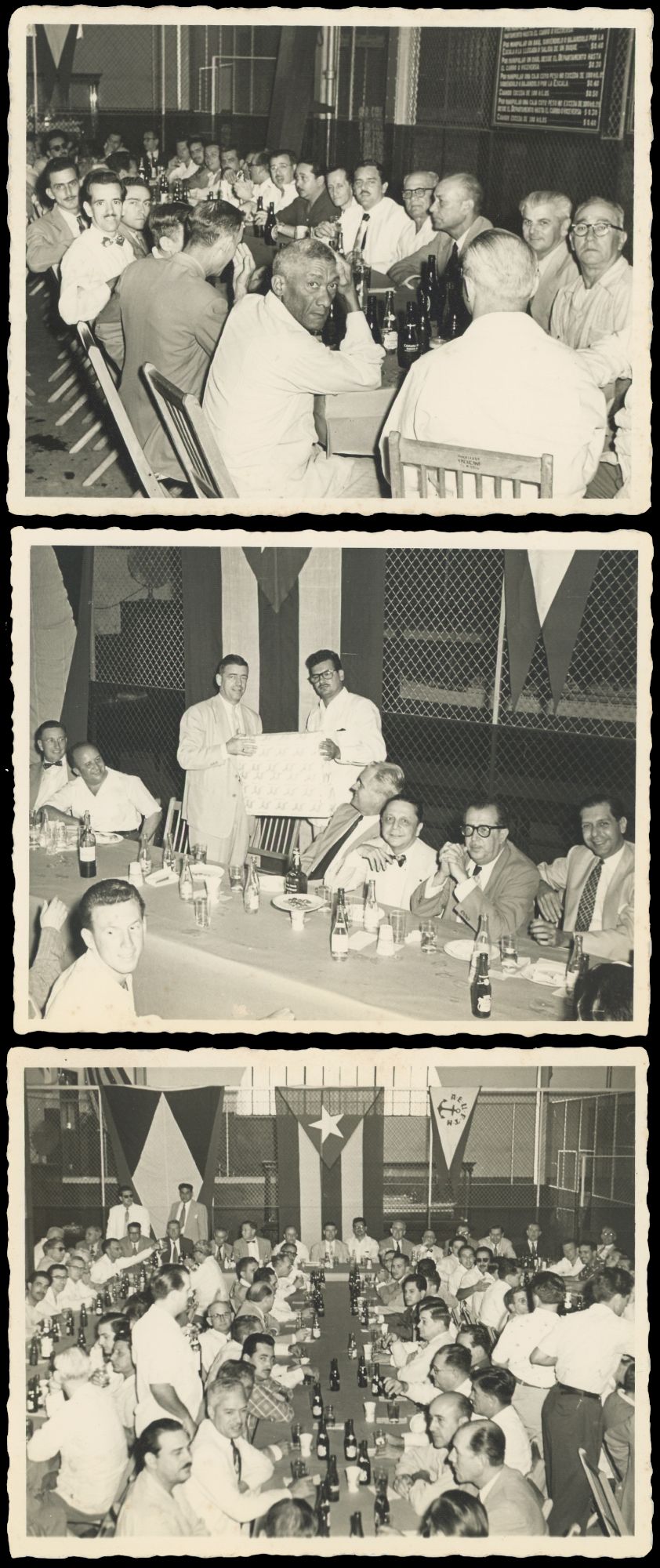
- Approximately 322 photographs: 227 in album, mainly 3 x 4 ½ inches and smaller; ninety-five loose, mainly 8 x 10 inches and sma
- Cuba and the United States , 1950
Cuba and the United States, 1950. Approximately 322 photographs: 227 in album, mainly 3 x 4 ½ inches and smaller; ninety-five loose, mainly 8 x 10 inches and smaller. With three trips of negatives and forty pieces of ephemera. Excellent.. Founded in 1899, the United Fruit Company (now Chiquita) was a US American tropical produce company that came to control huge swaths of land and infrastructure mainly in Central America and the Caribbean by the mid-twentieth century. Known for events like the 1928 Colombian Banana Massacre and the 1954 coup of Guatemala, United Fruit’s legacy is one of corruption, violence, and environmental degradation. In Cuba, United Fruit was headquartered in Banes, where it had a “self-contained sugar enterprise”, according to its own literature.[1]
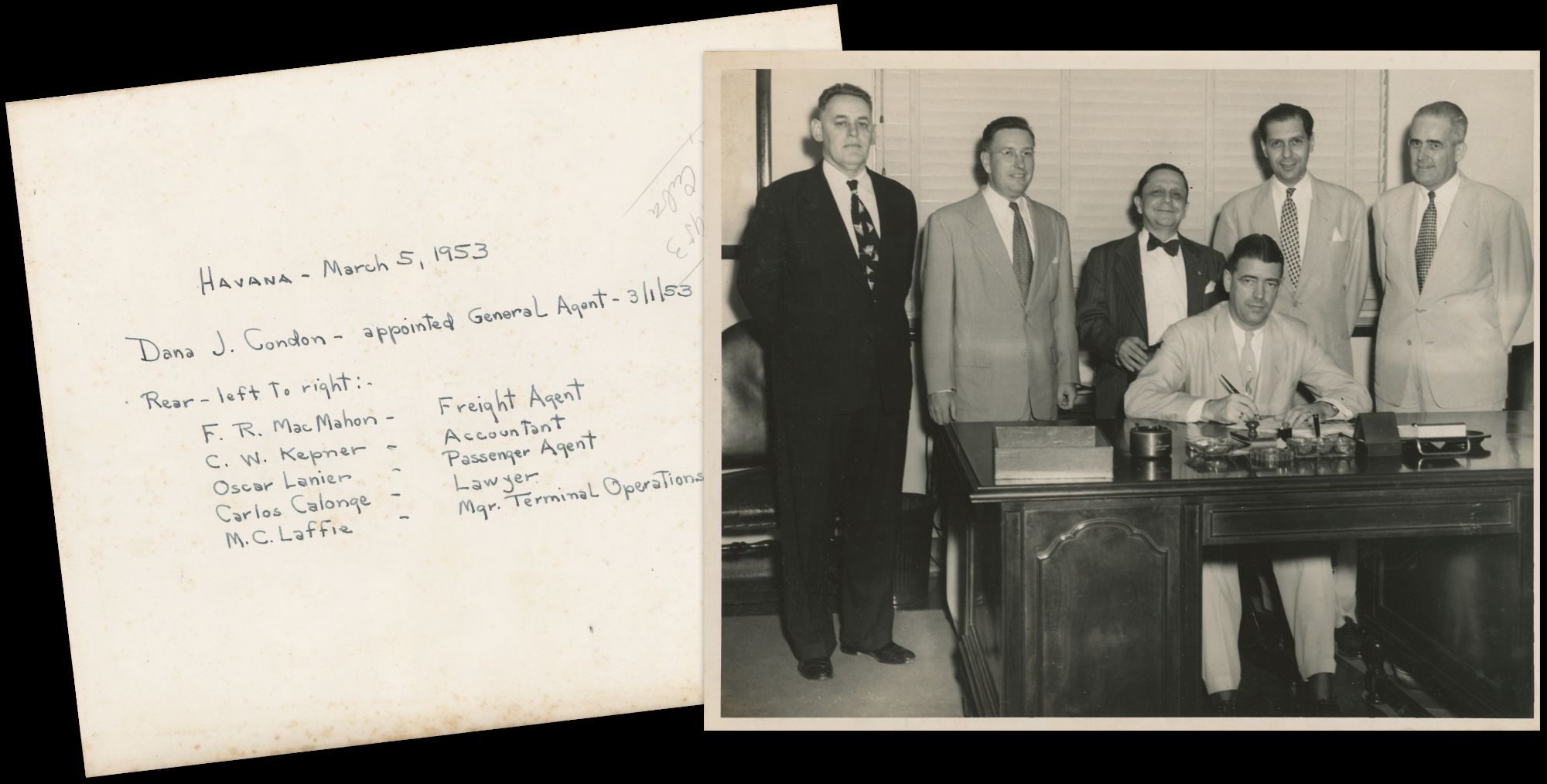
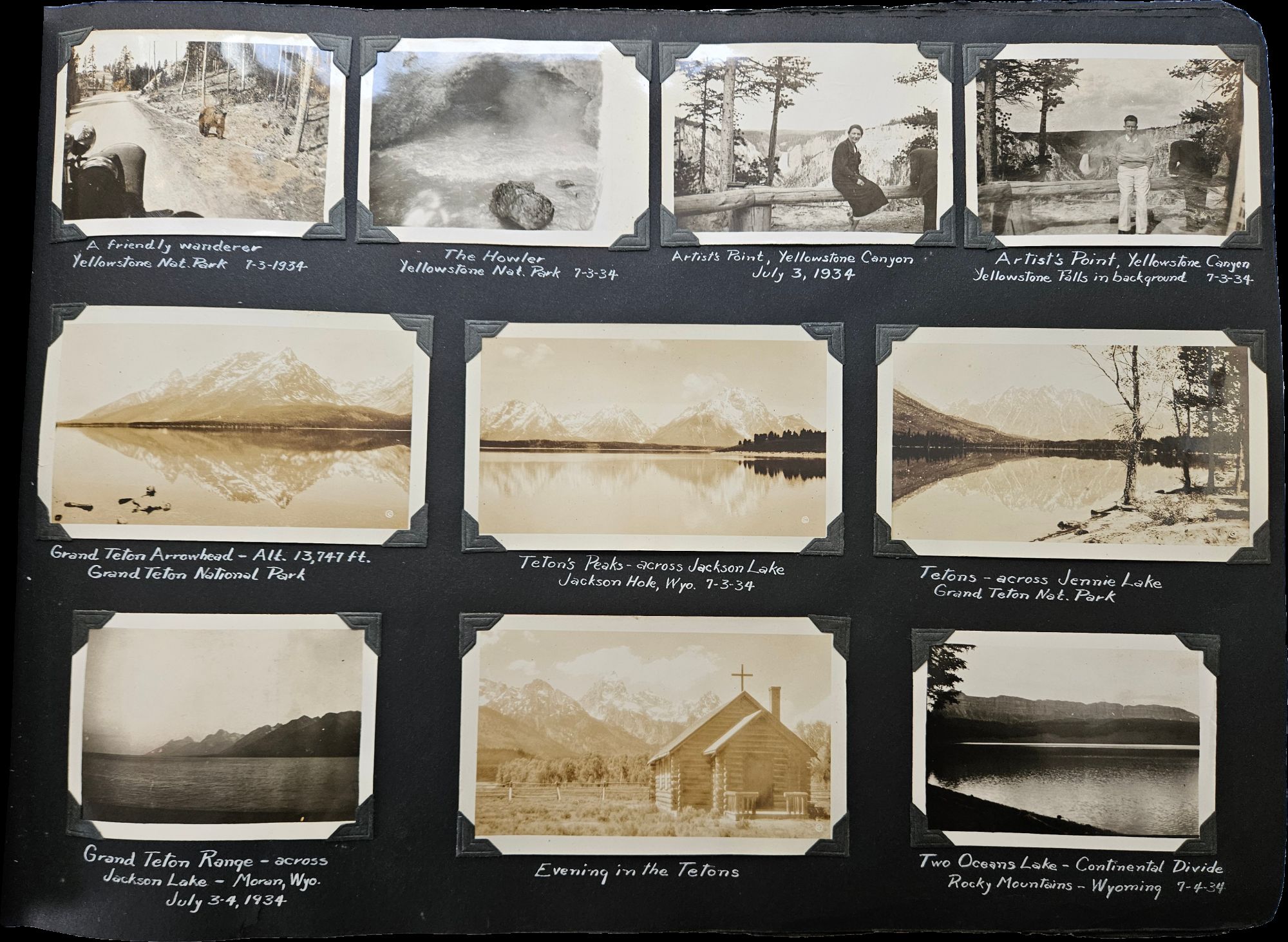
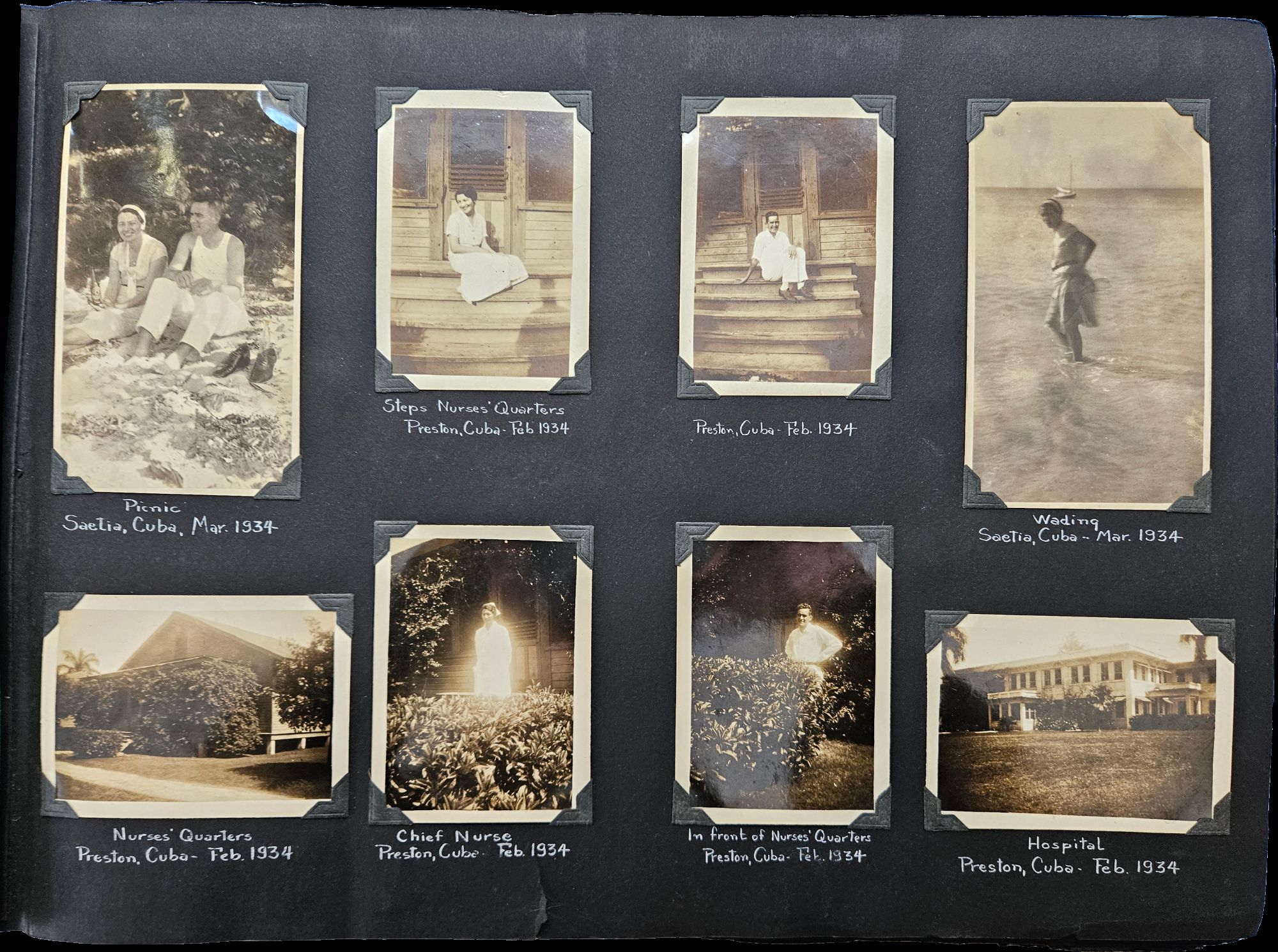
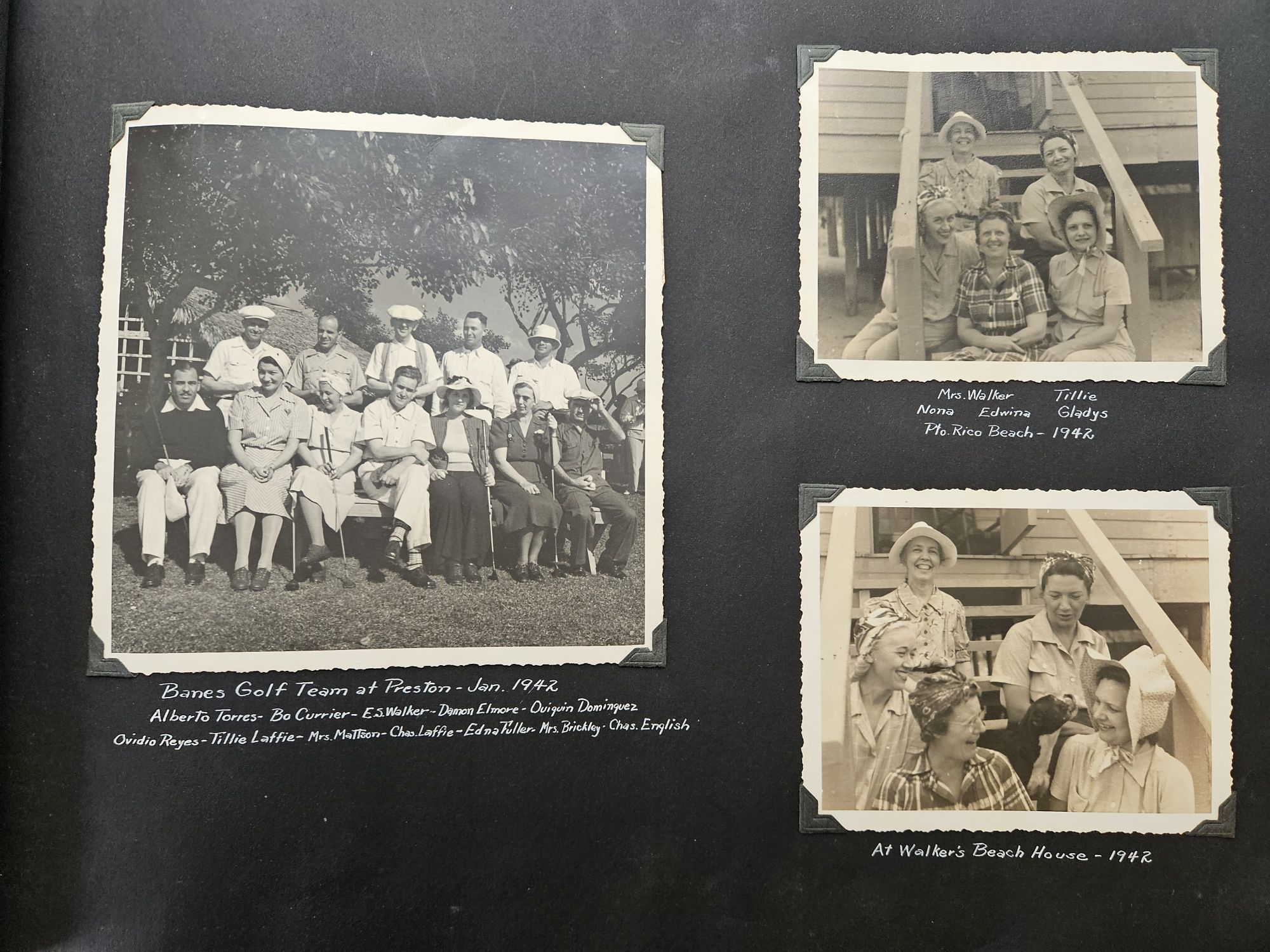
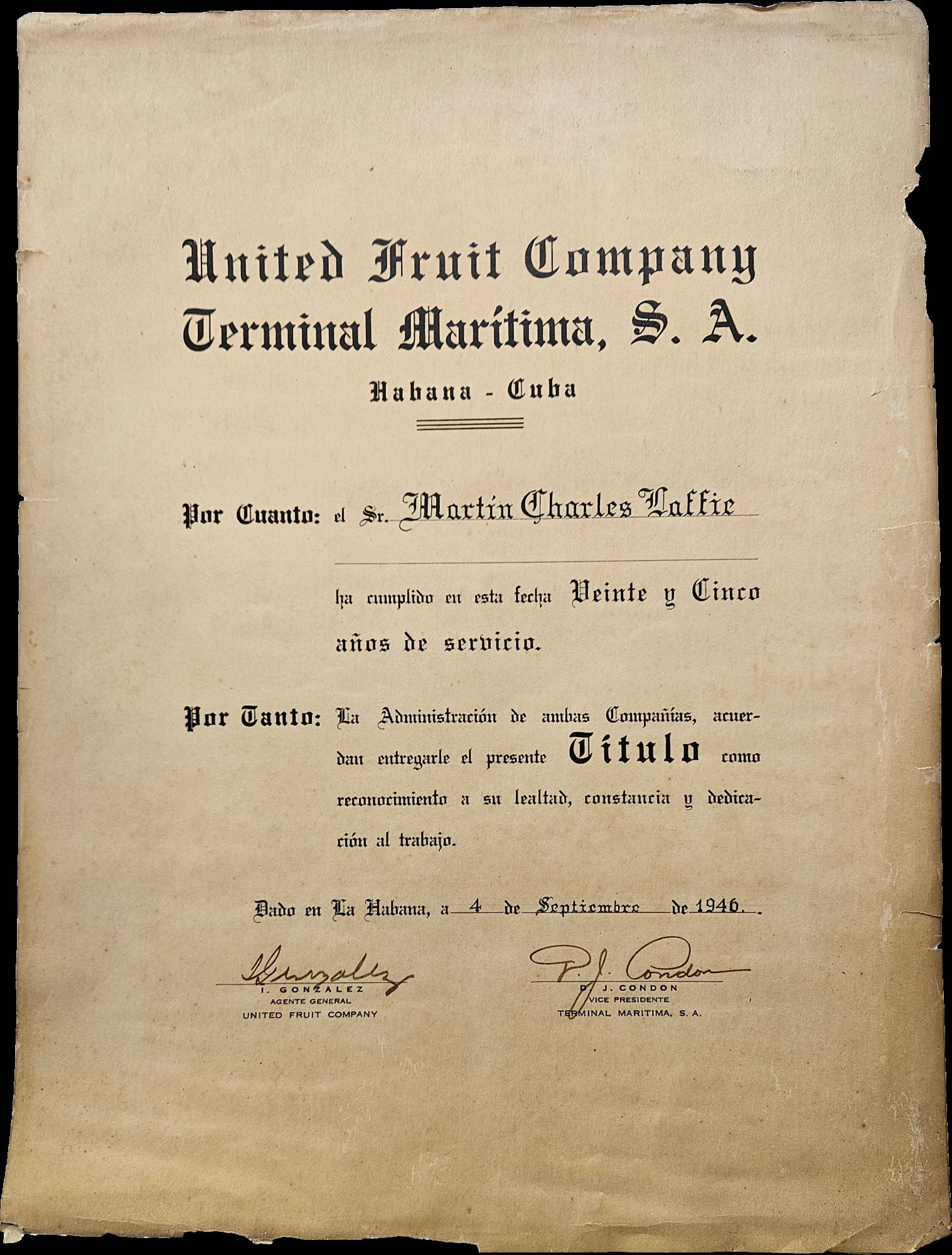
Offered here is a photo album of a manager for United Fruit in Cuba, Martin Charles Laffie (1904–1983), and his wife Mathilda Baiz Laffie (1900–1977), a hospital administrator. A certificate of Laffie’s honoring him for twenty-five years of work indicates that he started with the company in 1921, and his obituary notes that he retired in 1959, the year of Castro’s Cuban Revolution which expropriated United Fruit’s holdings in the country. Photos contained in the album are meticulously captioned, and show the family’s house and United Fruit buildings in Banes, leisure at Banes Golf Course and Puerto Rico Beach, and some stateside recreation at Yellowstone, Grand Teton, and others. Captions often include full names of the subjects, many of whom were presumably also United Fruit employees.
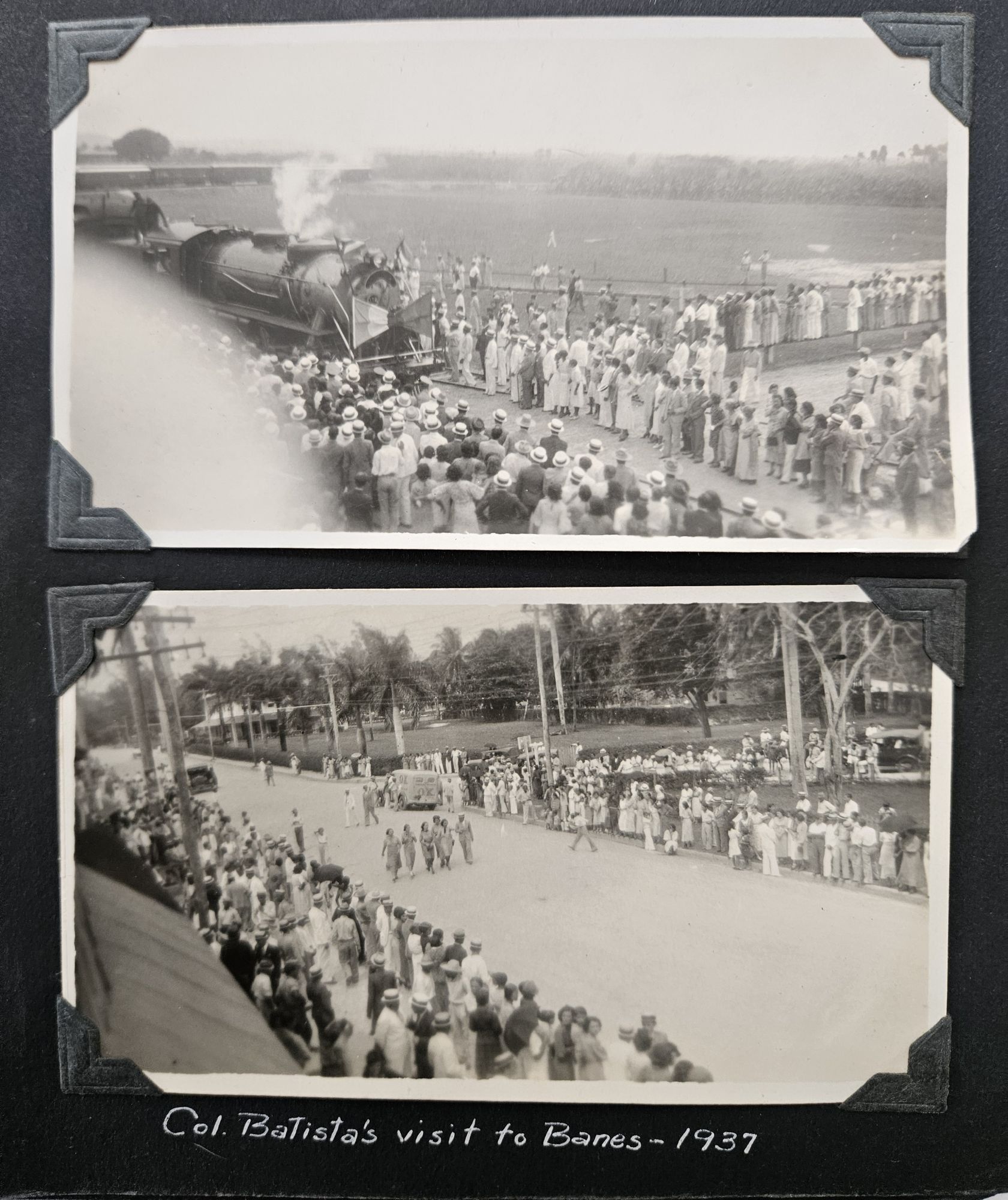
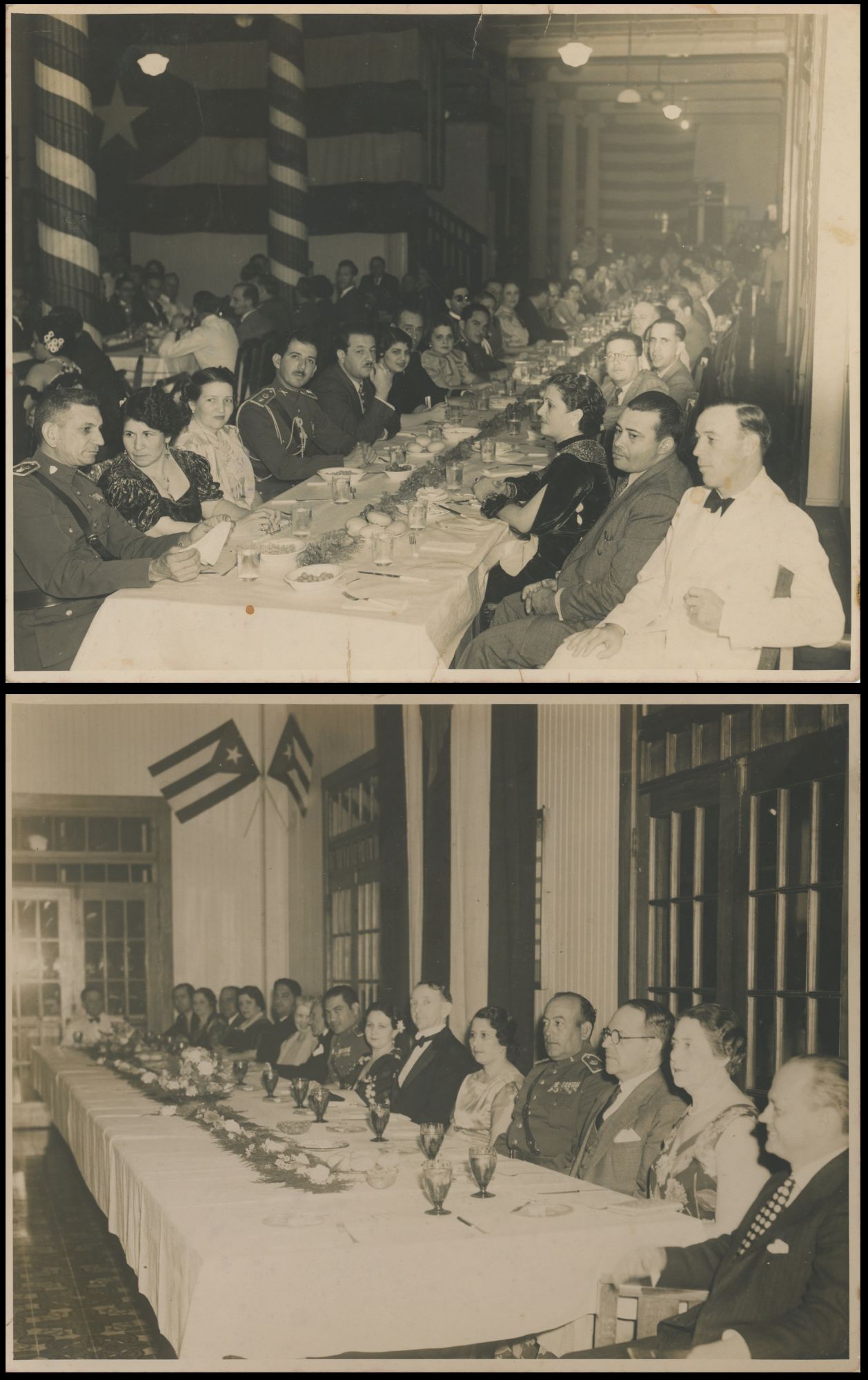
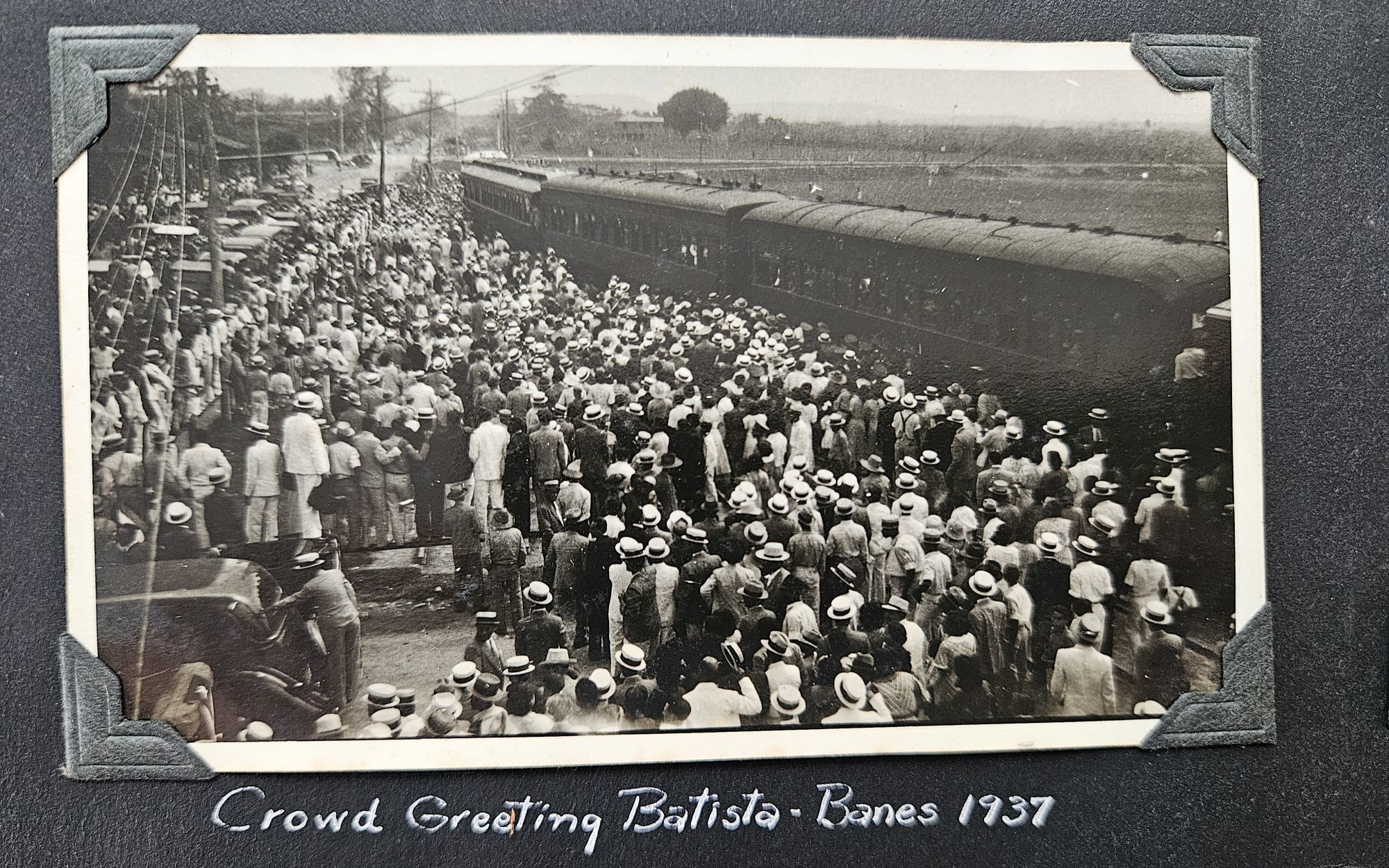
Several interesting shots in the album show crowds gathering to see Colonel Fulgencio Batista on a visit to Banes, his hometown, in 1937. At the time, Batista had recently been involved in the successive oustings of presidents Gerardo Machado, Carlos Manuel de Céspedes y Quesada, and Ramón Grau. Batista backed several more short-lived presidencies before himself becoming president in 1940, succeeding Federico Laredo Brú. Two of the loose photographs are captioned: “Banquet given by Company at American Club Banes in honor of visit of President Laredo Bru and Col. Fulgencio Batista”. Laredo Brú would create a number of pro-labor laws, including the 1937 Law of Sugar Coordination, which protected small sugar growers and laborers.
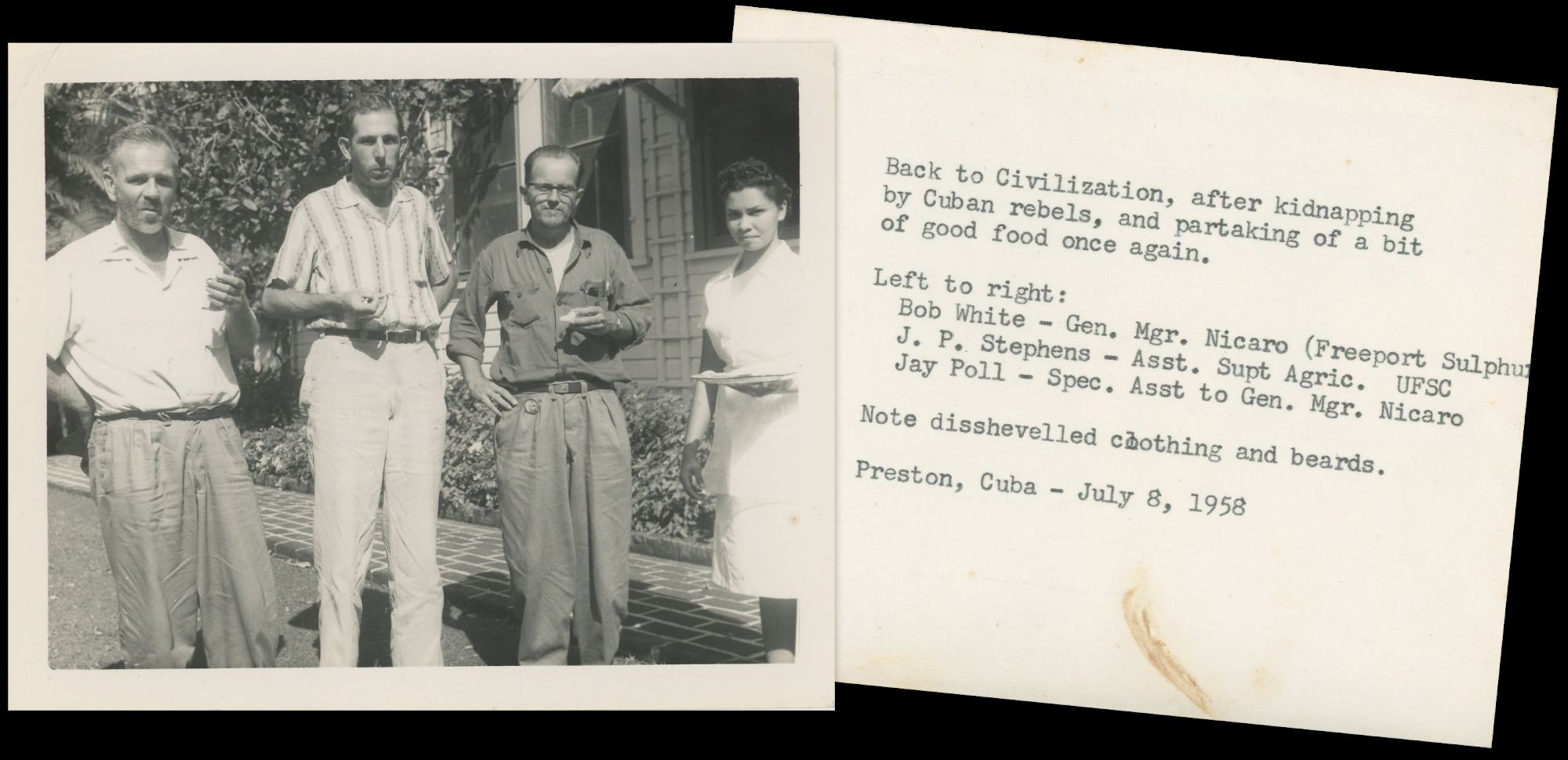
By 1958, the long-running Cuban Revolution was nearing its end. The rebels had been using hostage-taking to pressure the US to cease its assistance of Batista, who had seized power in 1952. One of the latest Cuban photos in the collection, from July 1958, shows three men standing on the sidewalk with a woman and is captioned:
“Back to Civilization, after kidnapping by Cuban rebels, and partaking of a bit of good food once again. / Left to right: Bob [Sherman Avery] White – Gen. Mgr. Nicaro (Freeport Sulphur) / J. P. Stephens – Asst. Supt Agric. UFSC [i.e., United Fruit] / Jay Poll – Spec. Asst to Gen Mgr. Nicaro / Note disshevelled clothing and beards. / Preston, Cuba – July 8, 1958”.
In the 1970s, a former United Fruit executive would allege that the company assisted the CIA in the Bay of Pigs Invasion.[2]
Of interest to historians of United Fruit’s involvement in Cuba, especially life for its American employees there, in the mid-twentieth century.
[1] Philip Keep Reynolds, The Story of Cuban Sugar (United Fruit Company, 1924).
[2] “United Fruit–C.I.A. Link Charged,” The New York Times, October 22, 1976, 2.
Offered here is a photo album of a manager for United Fruit in Cuba, Martin Charles Laffie (1904–1983), and his wife Mathilda Baiz Laffie (1900–1977), a hospital administrator. A certificate of Laffie’s honoring him for twenty-five years of work indicates that he started with the company in 1921, and his obituary notes that he retired in 1959, the year of Castro’s Cuban Revolution which expropriated United Fruit’s holdings in the country. Photos contained in the album are meticulously captioned, and show the family’s house and United Fruit buildings in Banes, leisure at Banes Golf Course and Puerto Rico Beach, and some stateside recreation at Yellowstone, Grand Teton, and others. Captions often include full names of the subjects, many of whom were presumably also United Fruit employees.
Several interesting shots in the album show crowds gathering to see Colonel Fulgencio Batista on a visit to Banes, his hometown, in 1937. At the time, Batista had recently been involved in the successive oustings of presidents Gerardo Machado, Carlos Manuel de Céspedes y Quesada, and Ramón Grau. Batista backed several more short-lived presidencies before himself becoming president in 1940, succeeding Federico Laredo Brú. Two of the loose photographs are captioned: “Banquet given by Company at American Club Banes in honor of visit of President Laredo Bru and Col. Fulgencio Batista”. Laredo Brú would create a number of pro-labor laws, including the 1937 Law of Sugar Coordination, which protected small sugar growers and laborers.
By 1958, the long-running Cuban Revolution was nearing its end. The rebels had been using hostage-taking to pressure the US to cease its assistance of Batista, who had seized power in 1952. One of the latest Cuban photos in the collection, from July 1958, shows three men standing on the sidewalk with a woman and is captioned:
“Back to Civilization, after kidnapping by Cuban rebels, and partaking of a bit of good food once again. / Left to right: Bob [Sherman Avery] White – Gen. Mgr. Nicaro (Freeport Sulphur) / J. P. Stephens – Asst. Supt Agric. UFSC [i.e., United Fruit] / Jay Poll – Spec. Asst to Gen Mgr. Nicaro / Note disshevelled clothing and beards. / Preston, Cuba – July 8, 1958”.
In the 1970s, a former United Fruit executive would allege that the company assisted the CIA in the Bay of Pigs Invasion.[2]
Of interest to historians of United Fruit’s involvement in Cuba, especially life for its American employees there, in the mid-twentieth century.
[1] Philip Keep Reynolds, The Story of Cuban Sugar (United Fruit Company, 1924).
[2] “United Fruit–C.I.A. Link Charged,” The New York Times, October 22, 1976, 2.