

Life Among the Piutes: Their Wrongs and Their Claims...Edited by Mrs. Horace Mann
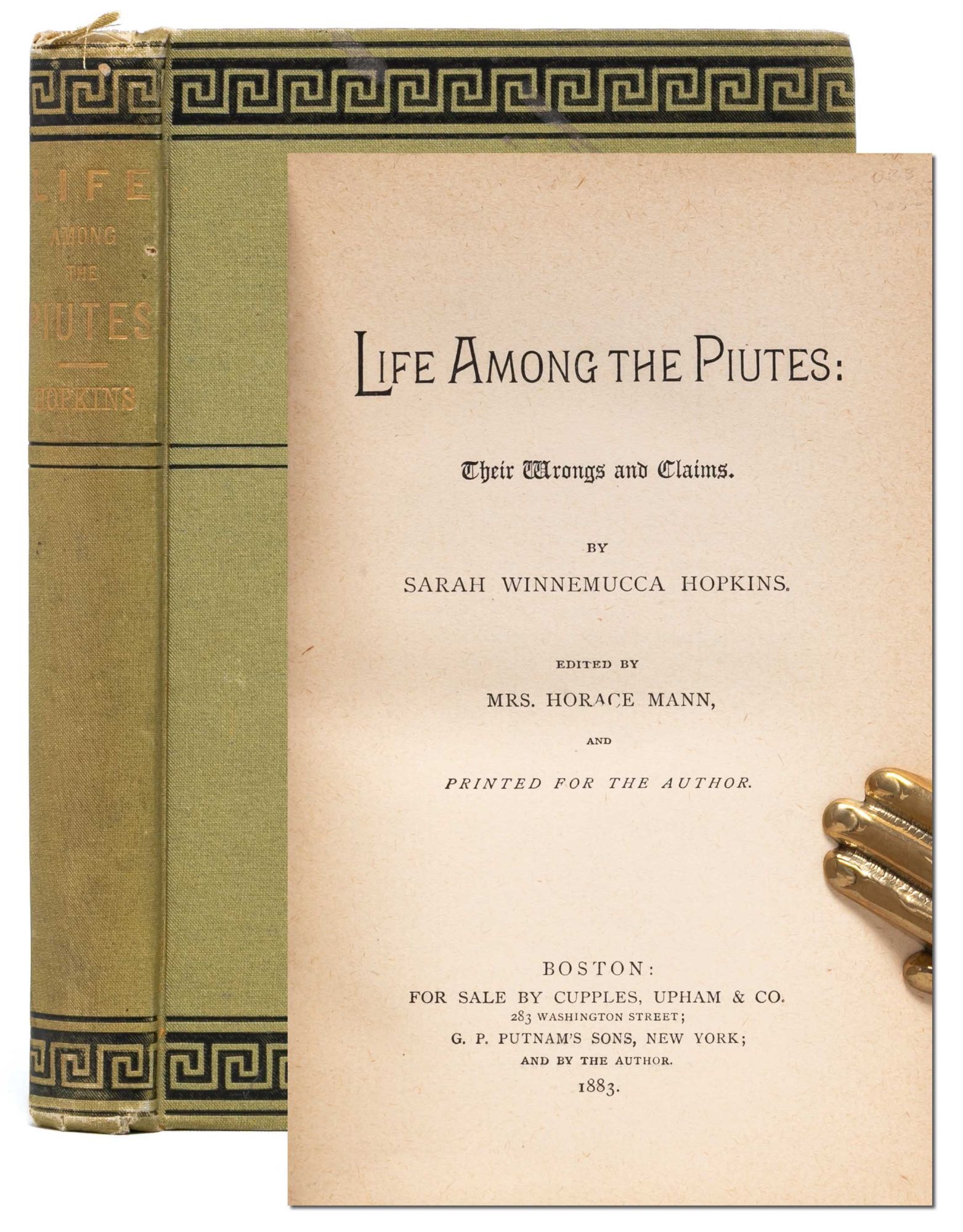
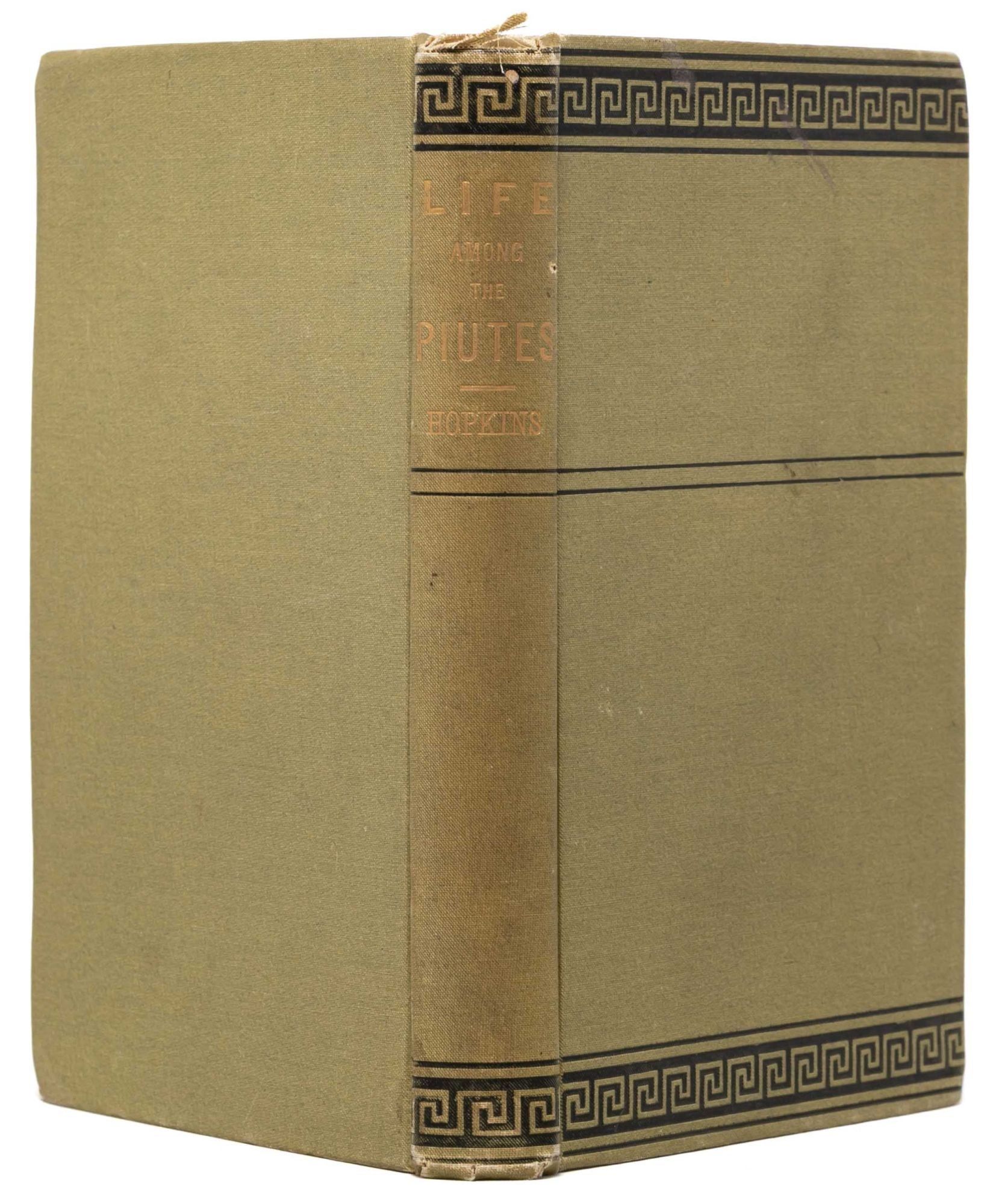
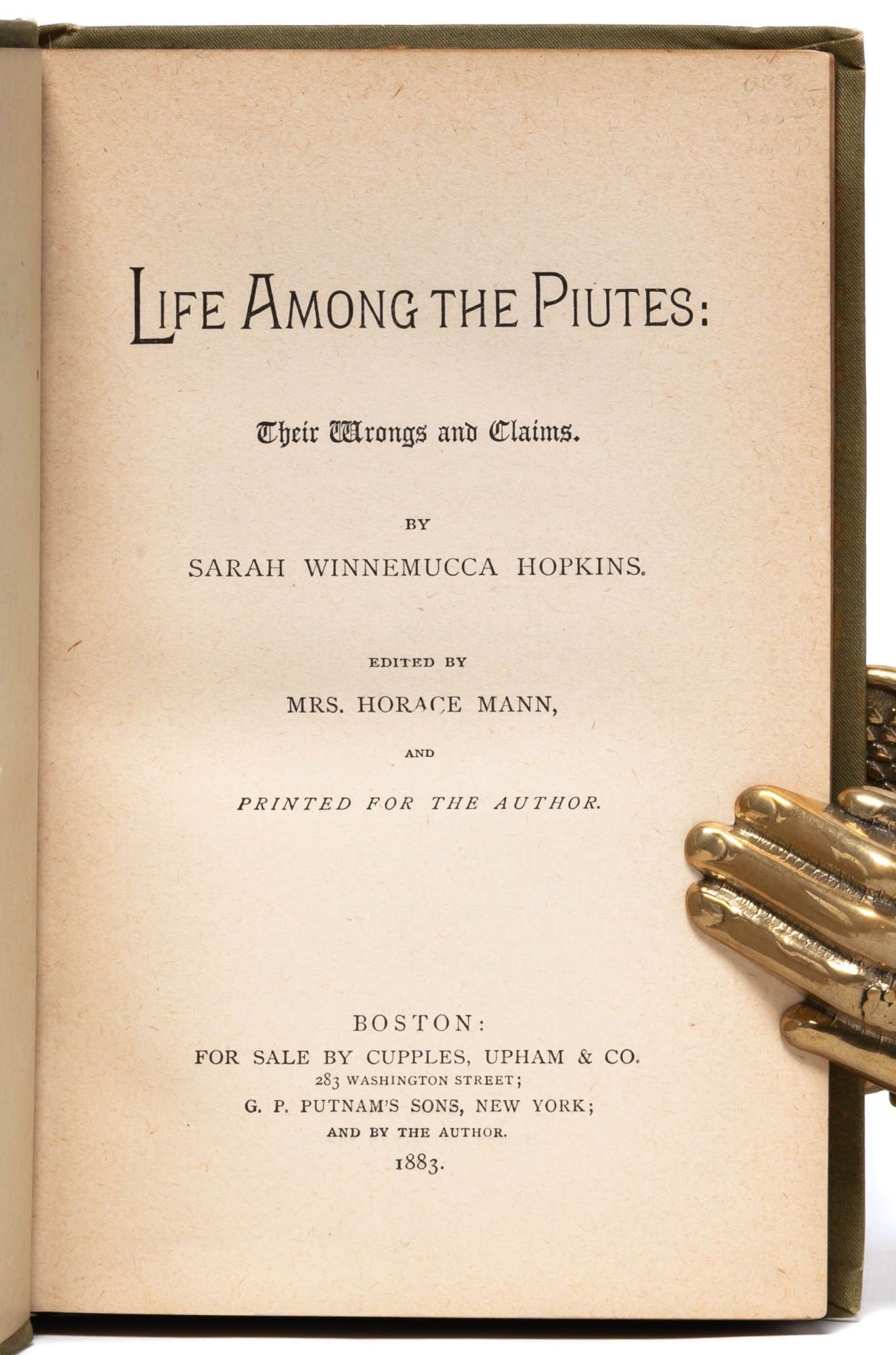
- Boston: Printed for the Author...For Sale by Cupples, Upham & Co, 1883
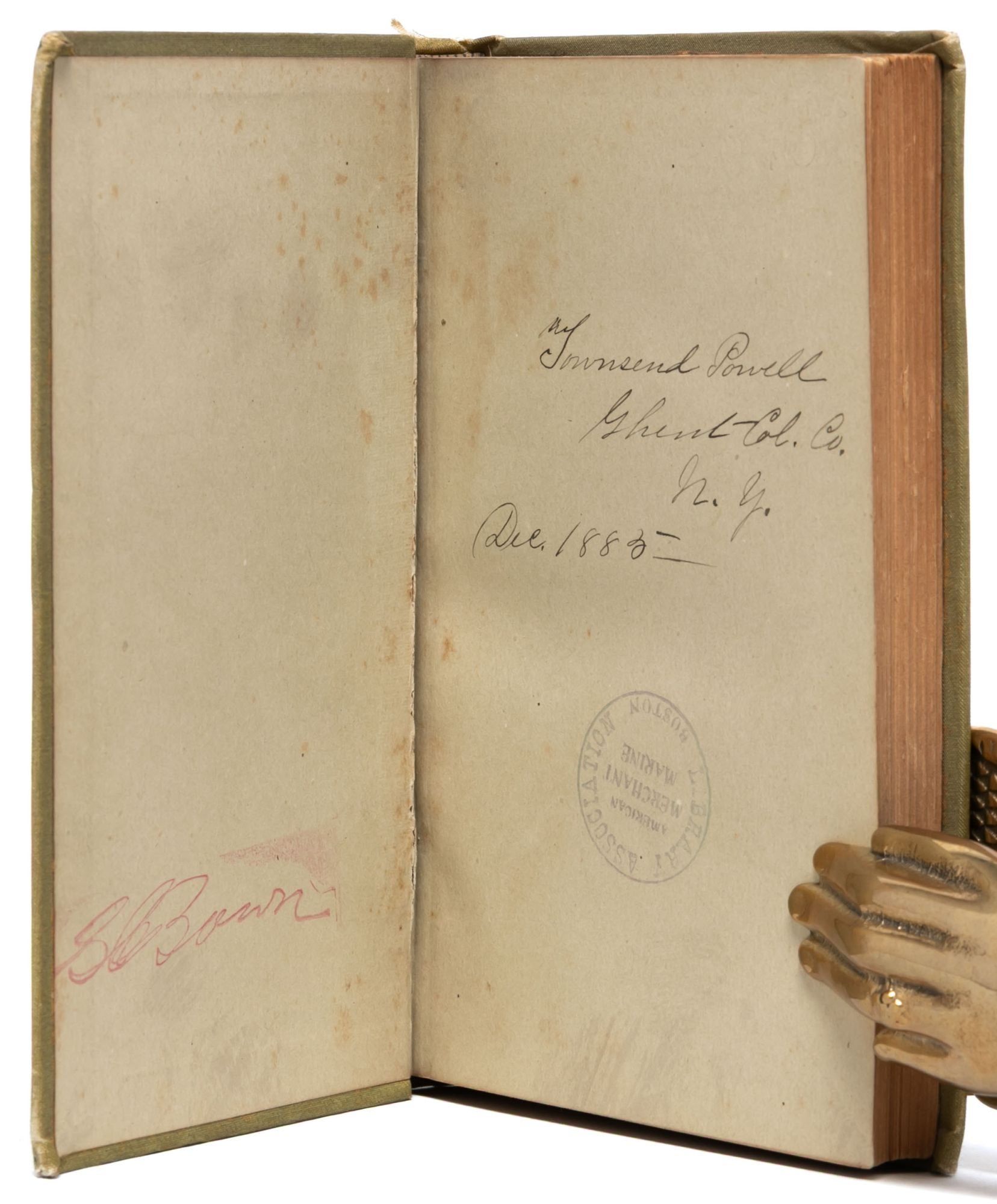
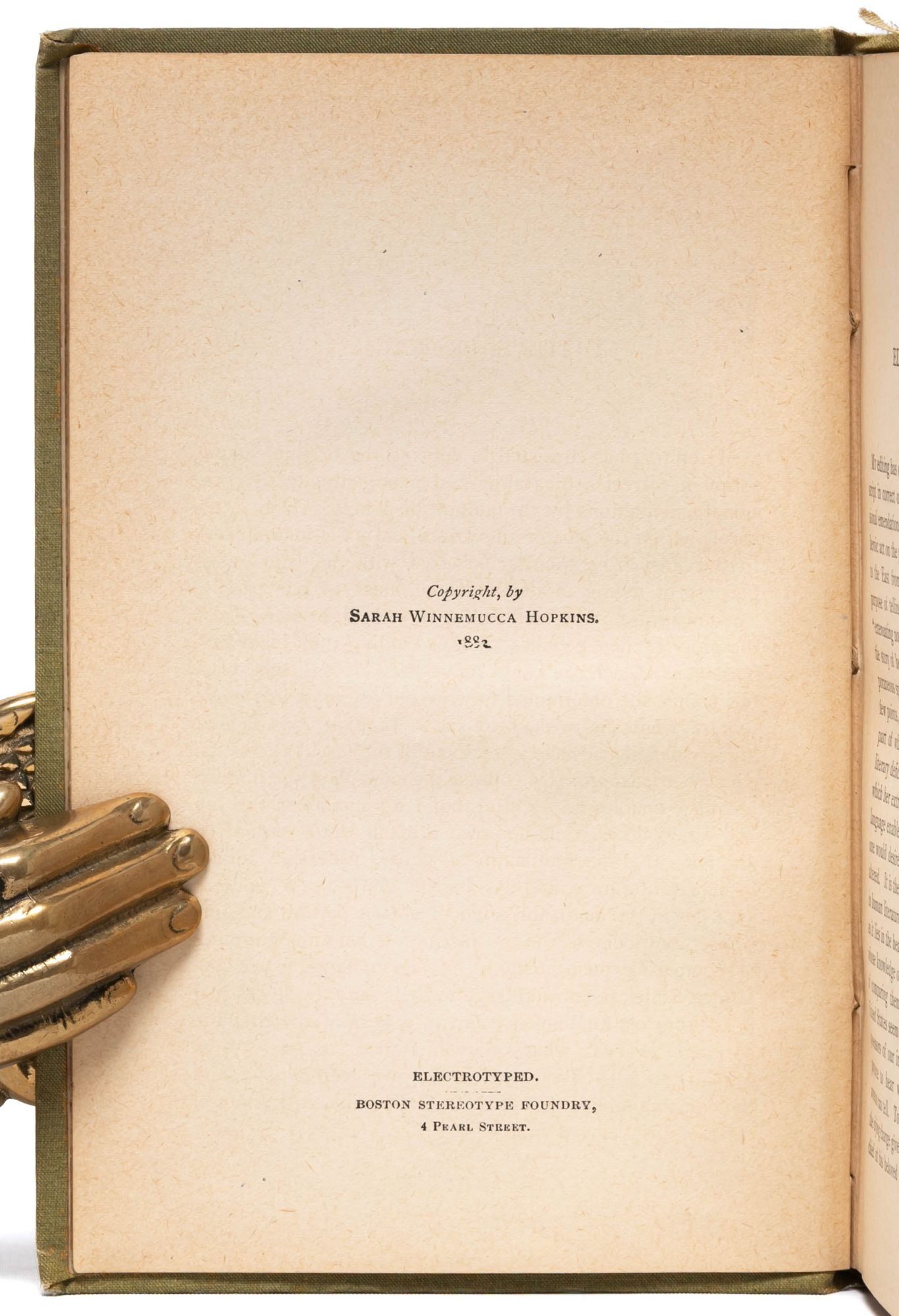
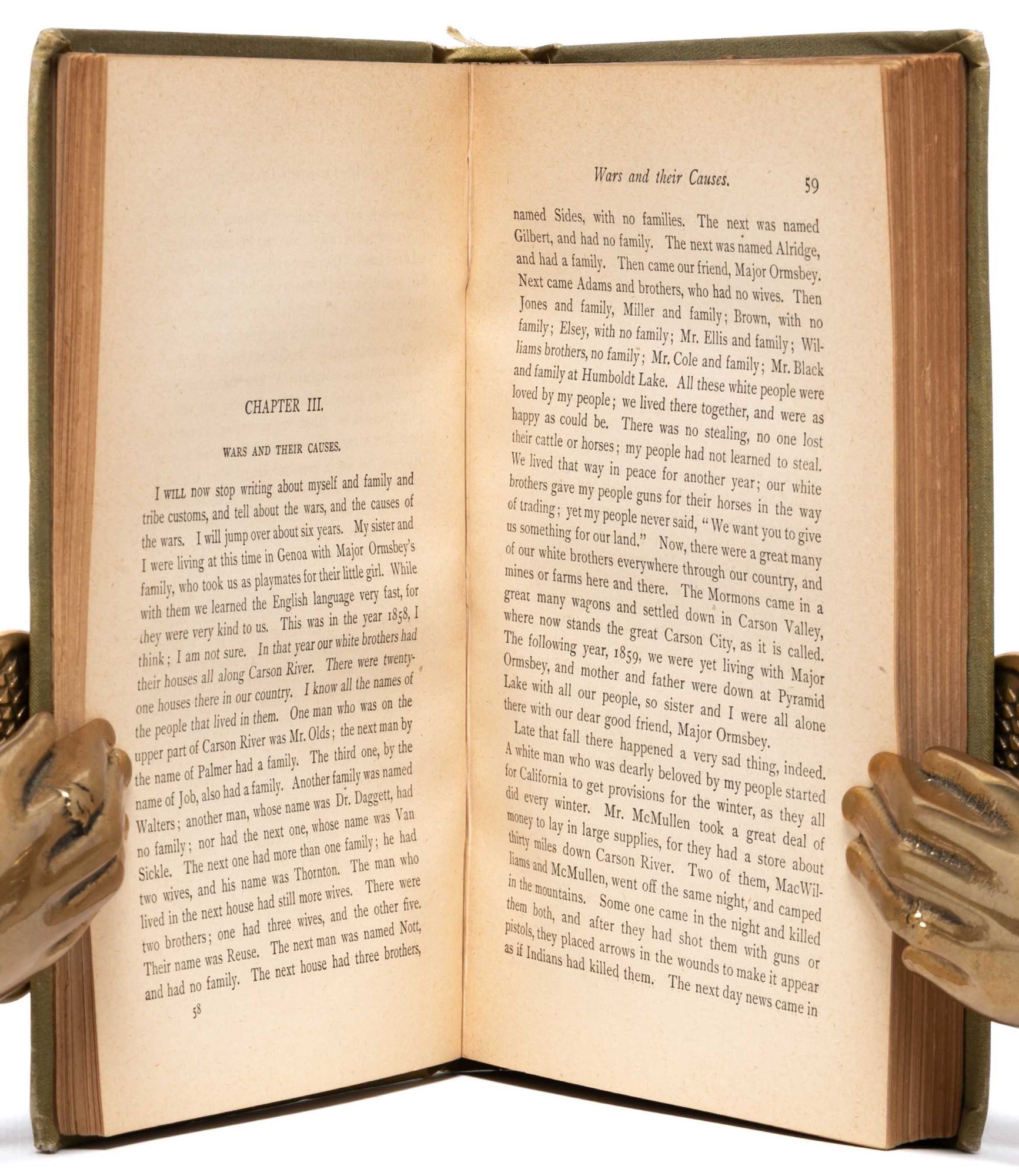
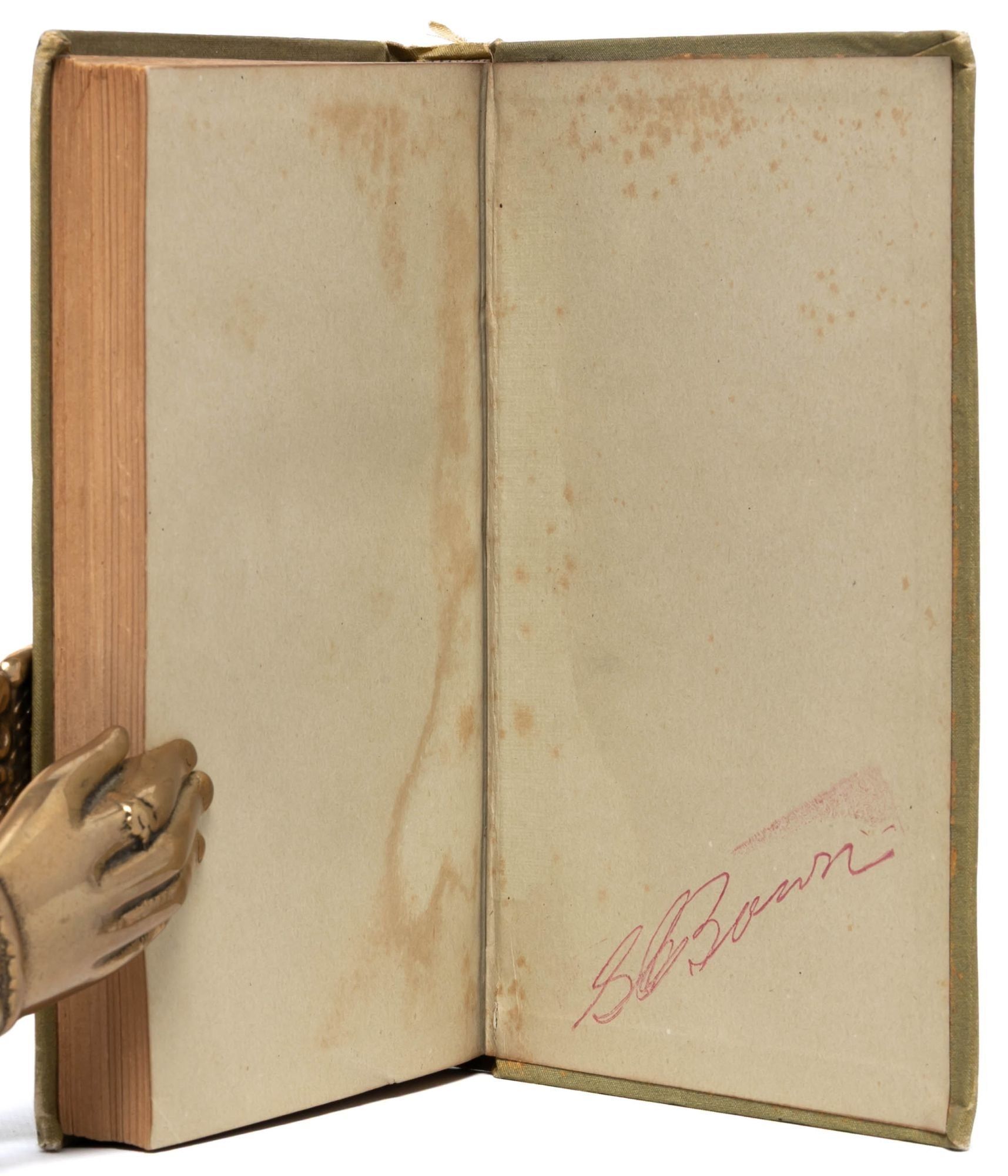
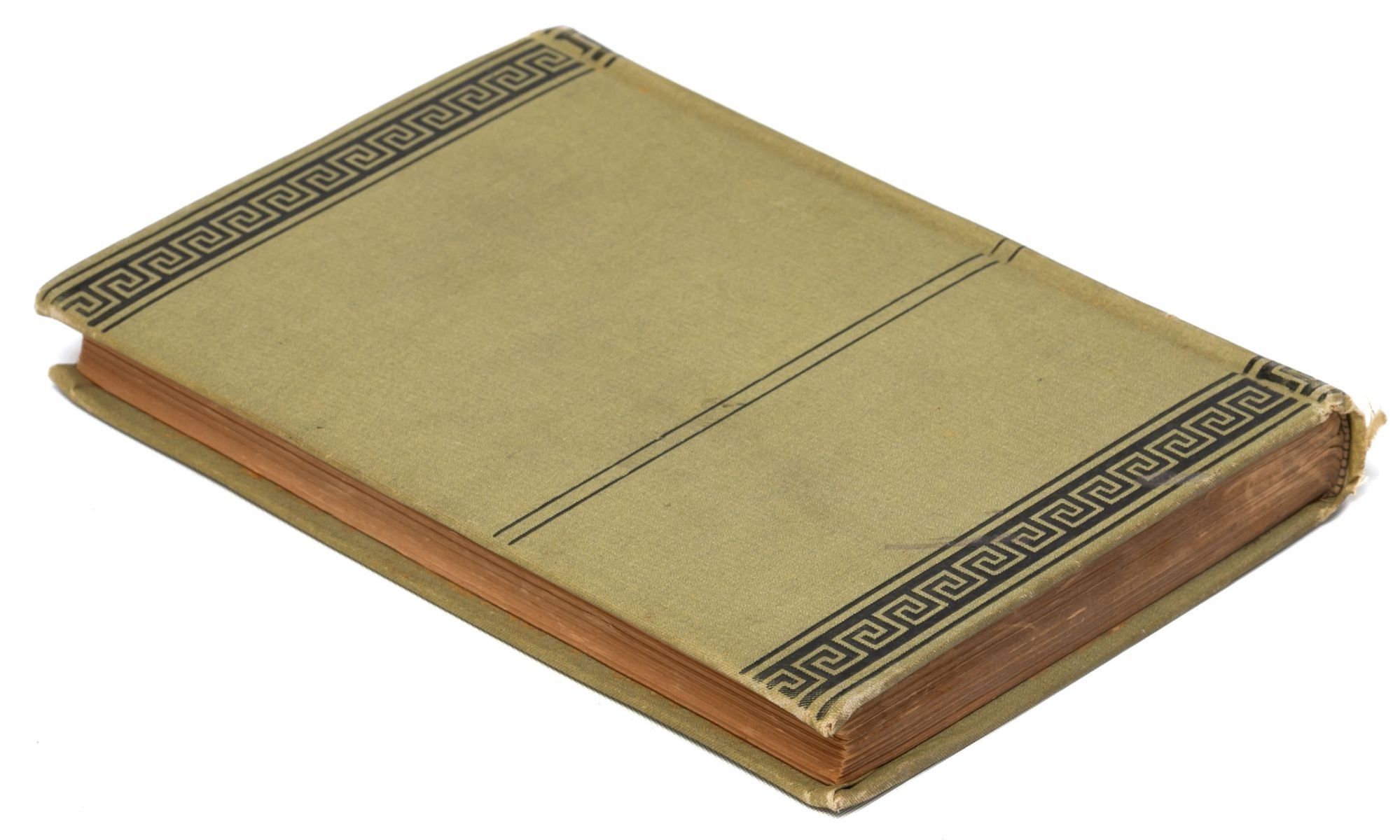
Boston: Printed for the Author...For Sale by Cupples, Upham & Co, 1883. First edition. Very Good. Publisher's green cloth stamped in black and gilt. Some fraying to head and tail of spine. Some dampstaining and contemporary markings to endpapers: 1886 ink ownership signature and two early colored pencil signatures, as well as an American Merchant Marine Library (Boston, MA) stamp. Otherwise, clean throughout. A Very Good copy of a scarce book, the first autobiography of a Native woman published in English and the first example of a Native woman securing copyright registration in the United States.
A nineteenth-century visionary caught between two cultures, Sarah Winnemucca (born Thocmentony, also spelled Tocmentone or Thoc-me-tony) devoted her life to the Indigenous peoples whose lands and lives were being stolen through the imperial expansion of the United States. The daughter of a chief of the Numa (Northern Paiute), Winnemucca watched as white settlers arrived on tribal land and forever altered her way of life. Grappling with white Americans' intention to remain permanently and claim ownership of the land, "she began adopting Anglo-American habits, acquiring the Christian name Sarah and mastering English and Spanish. At her grandfather's request she and her sister went to a convent school in San Jose, California" until being ejected on the basis of race (Eves). Rejoining her family, which had been forced onto a Nevada reservation, Winnemucca survived harsh conditions, watched as large numbers of her people died of starvation, and witnessed corruption and mismanagement by government agents.
"For Winnemucca, being 'American' was a complicated process of adopting the behaviours and language of people she had reason to distrust. Translating between the two cultures became her life's work. And though she was uncomfortable with the role, her influence is still felt today: Winnemucca's autobiography, Life Among the Piutes, the first English narrative by a Native American woman, voices a thoughtful critique of Anglo-American culture while recounting the fraught legacy of federal lands, including Nevada's Pyramid Lake and Oregon's Malheur region" (Eves). Here, she details the tense and often tragic work she performed as a translator for the United States government; she documents her rise to prominence as an activist and a speaker; and tells of the injustices and atrocities continuing to occur as a result of American occupation.
Life Among the Piutes also evidences the connection between Winnemucca and Mary Peabody Mann (1806 – 1887), the book's editor. Along with her work as pioneer in the field of early childhood education and her support for the abolitionist cause, Mann also supported Winnemucca's writing and public speaking career. Winnemucca had met Mann and her sister, Elizabeth Palmer Peabody, in Boston; Mann helped Winnemucca edit her autobiography and promote the work through lecturing. Very Good.
A nineteenth-century visionary caught between two cultures, Sarah Winnemucca (born Thocmentony, also spelled Tocmentone or Thoc-me-tony) devoted her life to the Indigenous peoples whose lands and lives were being stolen through the imperial expansion of the United States. The daughter of a chief of the Numa (Northern Paiute), Winnemucca watched as white settlers arrived on tribal land and forever altered her way of life. Grappling with white Americans' intention to remain permanently and claim ownership of the land, "she began adopting Anglo-American habits, acquiring the Christian name Sarah and mastering English and Spanish. At her grandfather's request she and her sister went to a convent school in San Jose, California" until being ejected on the basis of race (Eves). Rejoining her family, which had been forced onto a Nevada reservation, Winnemucca survived harsh conditions, watched as large numbers of her people died of starvation, and witnessed corruption and mismanagement by government agents.
"For Winnemucca, being 'American' was a complicated process of adopting the behaviours and language of people she had reason to distrust. Translating between the two cultures became her life's work. And though she was uncomfortable with the role, her influence is still felt today: Winnemucca's autobiography, Life Among the Piutes, the first English narrative by a Native American woman, voices a thoughtful critique of Anglo-American culture while recounting the fraught legacy of federal lands, including Nevada's Pyramid Lake and Oregon's Malheur region" (Eves). Here, she details the tense and often tragic work she performed as a translator for the United States government; she documents her rise to prominence as an activist and a speaker; and tells of the injustices and atrocities continuing to occur as a result of American occupation.
Life Among the Piutes also evidences the connection between Winnemucca and Mary Peabody Mann (1806 – 1887), the book's editor. Along with her work as pioneer in the field of early childhood education and her support for the abolitionist cause, Mann also supported Winnemucca's writing and public speaking career. Winnemucca had met Mann and her sister, Elizabeth Palmer Peabody, in Boston; Mann helped Winnemucca edit her autobiography and promote the work through lecturing. Very Good.